
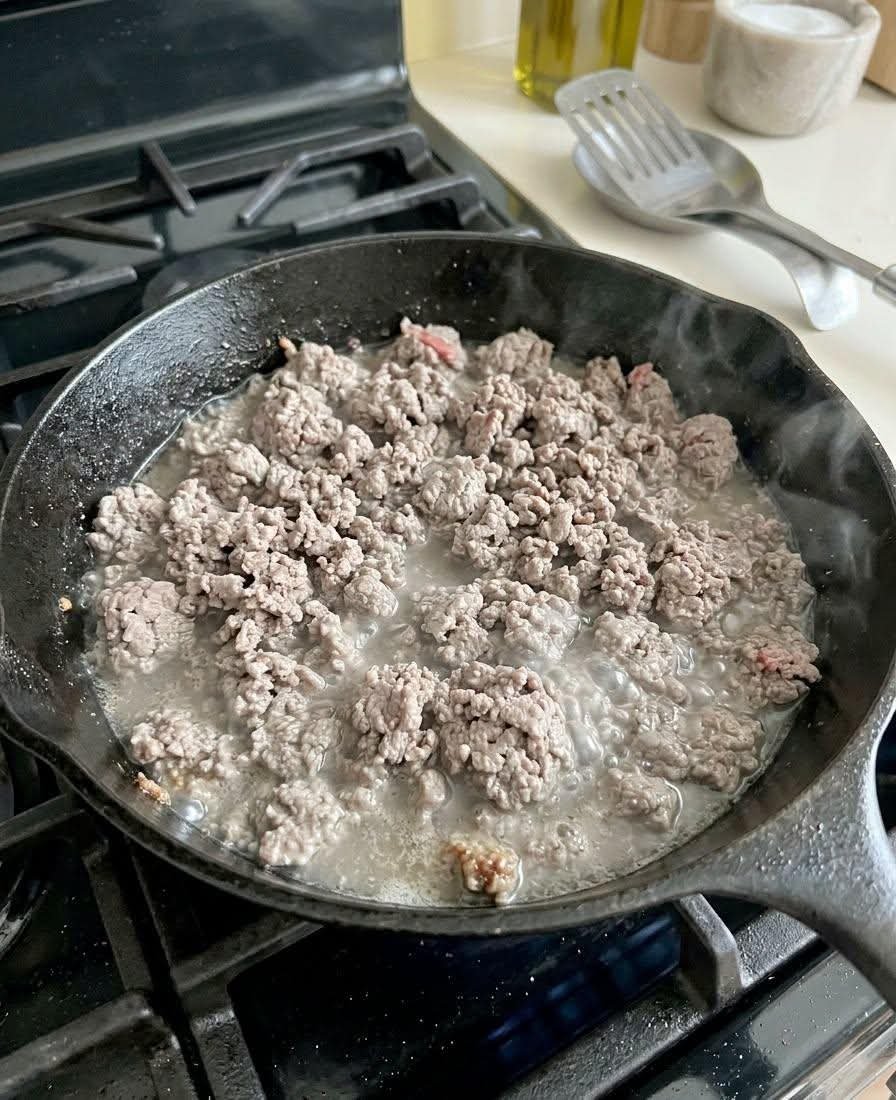
Why Your Ground Beef Turns Gray And Watery Instead Of Browning — And How To Fix It
Ground beef is a staple in many households due to its versatility and ease of preparation. However, it’s not uncommon to find ground beef that turns gray and watery instead of developing that rich, brown color we all associate with perfectly cooked meat. Understanding why this happens can help you achieve that delicious sear and improve your cooking techniques. In this article, we’ll explore the reasons behind gray, watery ground beef and provide practical tips on how to fix it.
Understanding the Browning Process
Before diving into the reasons behind gray ground beef, it’s important to understand the Maillard reaction, which is crucial for browning meat. This chemical reaction occurs when proteins and sugars in the meat react under high heat, resulting in complex flavors and appealing colors. When ground beef is browned properly, it not only improves the taste but also enhances the visual appeal of your dish.
Key Factors in Browning Ground Beef
1. Temperature: The starting temperature of the meat and the cooking surface is essential for browning. The Maillard reaction occurs effectively at temperatures above 300°F (150°C). If the heat is too low, the meat will steam instead of sear.
2. Moisture Content: Excess moisture will prevent meat from browning. Ground beef can often contain water, especially if it has been frozen and thawed improperly.
3. Cooking Technique: The way you cook the meat affects browning. Using a pan that allows for good heat distribution and not overcrowding the pan are essential techniques.
4. Fat Content: The fat in ground beef also contributes to browning. Higher-fat content ground beef can enhance flavor and color when cooked properly, while leaner options may struggle to achieve the same results.
Reasons Why Ground Beef Turns Gray and Watery
Let’s break down some of the most common reasons that ground beef fails to brown and instead turns gray and watery.
1. Overcrowding the Pan
One of the most common mistakes is overcrowding the cooking pan. When you add too much ground beef to a skillet, the temperature drops, causing the meat to release moisture. Instead of browning, the meat ends up steaming in its own juices, resulting in a gray color.
2. Low Cooking Temperature
Cooking ground beef at too low a temperature can prevent the Maillard reaction from occurring. If you’re unsure, always preheat your skillet or pan to a medium-high heat before adding the meat.
3. Frozen or Cold Meat
If you’re cooking ground beef straight from the freezer, the outside may appear cooked while the inside remains cold. Cold meat will release cold moisture, leading to a gray appearance. Always thaw the meat properly before cooking.
4. Excess Moisture
Packaging can sometimes retain excess moisture, especially if meat is not stored correctly. Ground beef can also absorb water during meat processing. When too much moisture is present, you will not achieve the desired browning.
5. Cooking Method
Different cooking methods yield different results. For instance, boiling or slow cooking ground beef may result in gray meat. If you’re looking to brown ground beef effectively, opt for frying or sautéing methods.
How to Fix Gray and Watery Ground Beef
Fortunately, there are ways you can ensure that ground beef turns brown and retains its juiciness. Here are some practical tips to consider:
1. Preheat Your Pan
Always preheat your skillet or pan before adding ground beef. Aim for medium-high heat. A cast-iron skillet or heavy-bottomed pan is ideal for even heat distribution.
2. Thaw the Meat Completely
If you’re taking ground beef out of the freezer, ensure it’s fully thawed. The best ways to thaw meat are in the refrigerator overnight or using the defrost setting on your microwave. Avoid letting meat thaw at room temperature as this may lead to bacterial growth.
3. Avoid Overcrowding
Cook ground beef in small batches. If you have a lot of meat to cook, do it in several rounds to allow sufficient space for browning. This prevents steaming and ensures even cooking.
4. Drain Excess Moisture
If you notice excess moisture in the packaging or while cooking, drain it off. After cooking, you can also blot the meat with a paper towel to remove extra grease or liquid.
5. Use Ingredients Wisely
Consider adding seasonings or ingredients that enhance browning, such as salt or finely chopped onions, which can help caramelize and develop rich flavors.
6. Right Fat Content
Choose ground beef with a higher fat content if your goal is flavorful and browned meat. Ground beef labeled “80/20” has 80% lean meat and 20% fat, perfect for achieving that mouthwatering hero color and flavor.
7. Use the Right Cooking Technique
Sautéing or pan-frying is preferable for browning ground beef. Avoid boiling or simmering, as these methods lead to steamed meat.
8. Use Baking Soda
Using a small amount of baking soda can promote browning. By increasing the pH level of the meat, baking soda helps speed up the Maillard reaction. Use it sparingly to avoid altering the flavor of your dish.
Conclusion
Ground beef that turns gray and watery can be frustrating but understanding the causes and solutions can help you achieve the perfect brown color and flavor. By ensuring that your cooking techniques are correct and managing moisture effectively, you can turn your ground beef into a delicious and appetizing ingredient.
Whether you’re making tacos, burgers, or spaghetti sauce, perfecting the browning process will enhance your meals significantly. With these tips, you’ll be well on your way to achieving beautifully browned ground beef every time you cook. Enjoy the process and the flavorful results!