
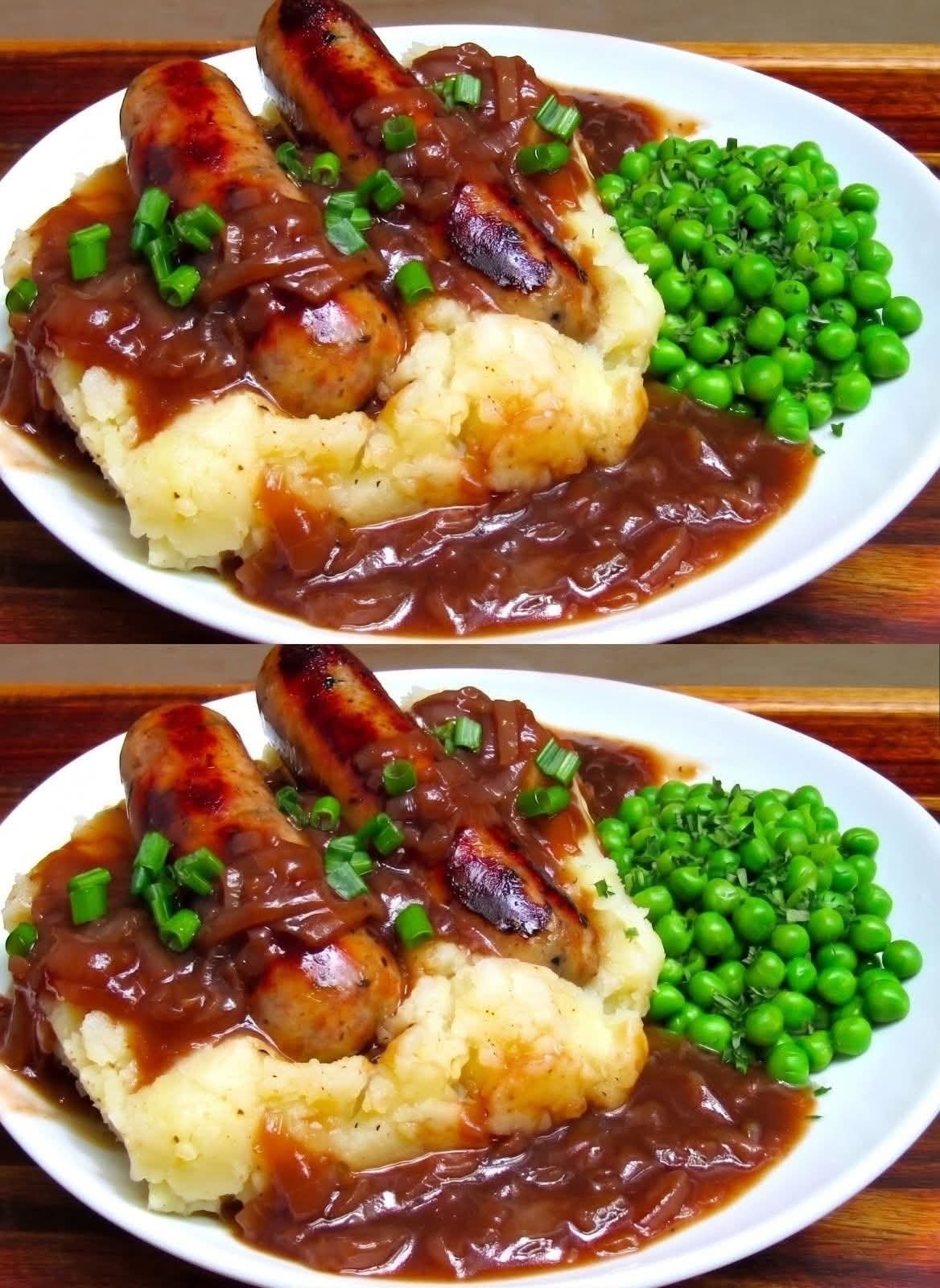
This Is Why You Should Stop Boiling Mashed Potatoes in Water
Mashed potatoes are one of the most beloved side dishes in the world, appearing on holiday tables, weeknight dinner plates, and comfort food menus alike. Yet for decades, the standard method for preparing them has been almost universally the same: peel, chop, and boil the potatoes in a large pot of plain water until tender. While this approach is familiar and easy, it may be holding back the flavor, texture, and nutritional quality of your mash. In this guide, we explore why you should consider changing your cooking method and what you can do instead to create richer, creamier, more satisfying mashed potatoes.
Why Boiling in Plain Water Is the Default
Boiling potatoes in water is the go-to technique for good reason. It is simple, requires minimal equipment, and reliably softens the starch structure so the potatoes can be mashed. For many home cooks, it has simply been the way their parents and grandparents prepared potatoes, so it never received much scrutiny. However, the convenience of boiling comes with trade-offs that become noticeable when you compare the results to alternative methods.
When potatoes sit in plain water, they absorb a surprising amount of moisture. This extra water dilutes the natural starch and flavor of the potato, which can leave the final mash tasting flat and sometimes watery. Even after draining, the potato cells remain saturated, making it harder to achieve the thick, fluffy consistency most people want.
The Flavor Problem With Water-Boiled Potatoes
One of the biggest reasons to stop boiling mashed potatoes in plain water is flavor. Potatoes are fairly neutral on their own, and water adds nothing to them. When the potato pieces soak up water, they also leach out some of their own natural flavor compounds into the cooking liquid, which then gets poured down the drain.
Consider these flavor-focused improvements:
– Salted cooking water: Seasoning the water with salt allows the potatoes to absorb seasoning from the inside out, creating a more balanced taste.
– Broth or stock: Using vegetable, chicken, or even mushroom stock as your cooking liquid infuses the potatoes with savory depth.
– Garlic and herbs: Adding whole garlic cloves, bay leaves, thyme, or rosemary to the pot creates an aromatic base that carries into the finished dish.
– Milk or cream: Simmering potatoes partially in milk can produce an exceptionally rich and tender result.
By changing what goes into the pot, you turn a basic side dish into something worth talking about.
Texture: Why Waterlogged Potatoes Turn Out Gummy
Texture is where many home cooks feel the frustration of water-boiled potatoes most acutely. Potatoes that have absorbed too much water can turn gluey or gummy once mashed, especially if they are overworked. Waterlogged starch cells break down unevenly, resulting in a dense, pasty consistency rather than a light and fluffy one.
Starchy potato varieties such as Russet or Yukon Gold are often recommended for mashing because they have a dry, floury interior. When these potatoes are boiled in plain water and left to sit, they can become overly saturated. Methods that minimize water absorption help preserve that fluffy structure and give you more control over the final texture.
Better Alternatives to Boiling in Water
If you are ready to move beyond plain boiling, several techniques can significantly improve your mashed potatoes. Each has its own advantages depending on your equipment, time, and taste preferences.
Steaming
Steaming is one of the most effective alternatives. Potatoes cooked in a steamer basket above simmering water are exposed to steam rather than submerged in liquid. This prevents them from absorbing excess moisture and allows them to cook evenly. Steamed potatoes tend to be drier and more flavorful, which makes for a fluffier mash. Steaming also helps retain more of the potato’s natural nutrients, since fewer vitamins and minerals leach into the water.
Baking
Baking whole potatoes before mashing is another excellent choice. The dry heat of the oven evaporates moisture from the potato rather than adding it, producing a concentrated, deeply flavored result. Once baked, you can scoop out the flesh and mash it with your preferred fats and seasonings. Many chefs consider baked potatoes the gold standard for mash because of their rich, earthy taste and light texture.
Roasting
Roasting cubed potatoes in the oven with olive oil, salt, and herbs develops caramelized, nutty flavors that boiling simply cannot achieve. After roasting, the potatoes can be mashed directly, creating a mash with a toasted character that pairs beautifully with roasted meats and vegetables.
Pressure Cooking
For those who value speed, the pressure cooker or Instant Pot offers an efficient option. Cooking potatoes under pressure with a small amount of liquid reduces cooking time dramatically while limiting excess water absorption. This method works well for busy households that still want a high-quality result.
Tips for Making the Best Mashed Potatoes
Regardless of the cooking method you choose, a few practical tips can elevate your results:
– Choose the right potato. Starchy varieties like Russet and Yukon Gold generally yield the fluffiest mash, while waxy potatoes such as red potatoes hold their shape better but can produce a denser texture.
– Cut potatoes into even pieces. Uniform sizing ensures everything cooks at the same rate.
– Drain and dry thoroughly. After cooking, let potatoes steam dry in the colander or return them to the hot pot for a minute to evaporate remaining moisture.
– Warm your dairy. Adding cold milk or butter can cool the potatoes and make them gluey. Warming these ingredients first results in a smoother, creamier mash.
– Mash gently. Overworking potatoes, especially with a food processor or blender, releases too much starch and produces a sticky