
Introduction
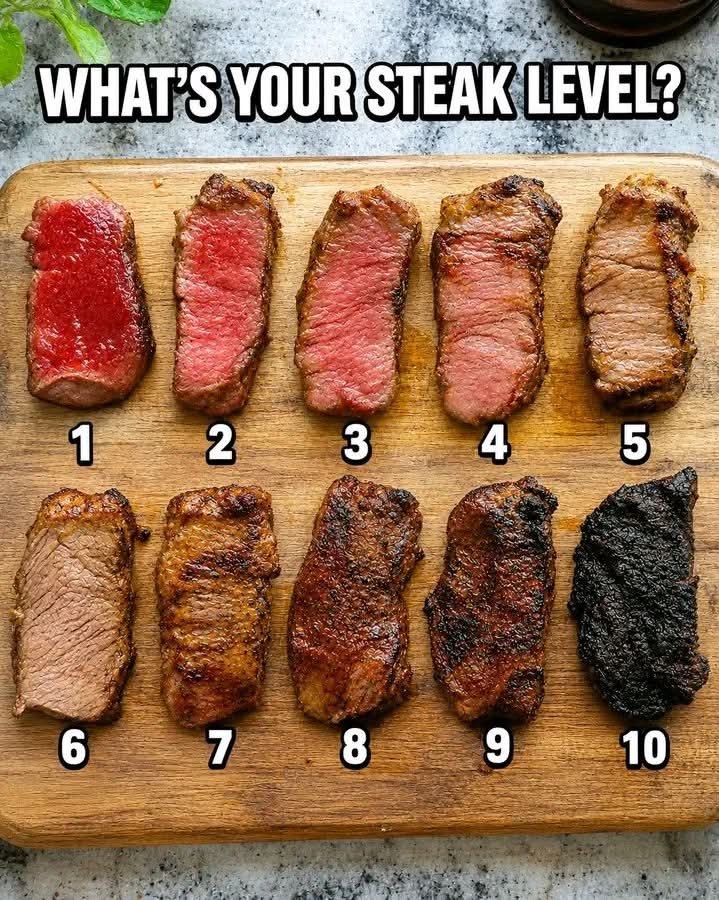
The Steak Doneness Comparison Chart is an indispensable guide for anyone eager to cook steaks with precision and confidence. Whether you prefer your beef rare, medium, or well-done, understanding the exact temperature ranges and cooking times is key to achieving the ideal texture and flavor that suits your palate.
This guide caters to home cooks of all skill levels who want to master steak preparation. With just a few straightforward ingredients and techniques, you can elevate simple beef strip or sirloin steaks into a mouthwatering meal that perfectly matches your desired doneness. The clear temperature guidelines and resting advice ensure consistent, restaurant-quality results every time.
Why you’ll love this Steak Doneness Comparison Chart
- It clearly defines the temperature ranges for every steak doneness level, from rare to well-done, eliminating guesswork.
- Helps you avoid common pitfalls like overcooking or undercooking, ensuring steaks remain tender and juicy.
- Provides a straightforward cooking method that suits both beginners and experienced cooks, making steak preparation accessible.
- Encourages the use of a meat thermometer, which improves accuracy and builds confidence in your cooking skills.
- Includes resting instructions that enhance flavor and help retain steak juices, resulting in a more satisfying dining experience.
Ingredients
- 2 boneless beef strip steaks or sirloin steaks, about 10-12 oz / 280-340 g each
- 1 1/2 tsp kosher salt
- 1 tsp freshly ground black pepper
- 1 tbsp neutral oil or clarified butter
Servings: 2-4 | Prep time: 10 minutes | Cook time: 6-12 minutes
The foundation of this recipe lies in selecting quality beef steaks, kosher salt, fresh black pepper, and a neutral oil or clarified butter for searing. Opt for steaks that have good marbling—the thin streaks of fat within the meat—which helps keep the steak juicy and flavorful during cooking. Look for a vibrant red color and firm texture, avoiding any discoloration or excessive moisture. Kosher salt is preferred because its larger crystals season the meat evenly without overwhelming it, while freshly ground black pepper adds a balanced touch of heat and aroma. For searing, clarified butter or neutral oils like canola or grapeseed are ideal due to their high smoke points, which allow you to get a perfect crust without burning the fat.
Instructions
- Dry and season the steaks: Pat the steaks very dry with paper towels to remove moisture, then season all over with kosher salt and freshly ground black pepper for even flavor.
- Preheat your cooking surface: Heat a heavy skillet or grill over high heat until it is very hot, which will help achieve a good sear. Add the neutral oil or clarified butter and allow it to heat until shimmering.
- Sear the steaks: Place the steaks in the hot pan and sear for 2-3 minutes on the first side until a deep brown crust forms. Then flip the steaks to the other side.
- Cook to your target doneness: Continue cooking the steaks on the second side until they reach your desired internal temperature: rare at 120-125°F (49-52°C), medium-rare at 130-135°F (54-57°C), medium at 140-145°F (60-63°C), medium-well at 150-155°F (66-68°C), or well-done at 160°F+ (71°C+). Use a meat thermometer for accuracy.
- Rest the steaks: Remove the steaks from the heat and let them rest for 5-10 minutes. Resting allows the juices to redistribute, resulting in a more flavorful and juicy steak.
- Slice and serve: Slice the steaks crosswise into strips to reveal the interior doneness. This is a great way to compare the different levels of doneness visually.
Tips for the best results
- Bring steaks to room temperature before cooking: This step promotes even cooking by reducing the temperature difference between the outside and inside of the steak, preventing overcooked edges and undercooked centers.
- Pat steaks thoroughly dry: Moisture on the surface causes steaming instead of searing, which inhibits crust formation. Dry steaks brown more evenly and develop that desirable caramelized exterior.
- Use oils with high smoke points: Clarified butter or neutral oils like grapeseed or avocado oil tolerate high heat without burning, allowing you to achieve a rich, flavorful crust without unpleasant bitterness.
- Invest in a reliable meat thermometer: This tool removes guesswork and ensures you cook the steak exactly to your preferred doneness, avoiding the common problem of overcooking.
- Don’t skip resting your steak: Resting for 5-10 minutes lets the muscle fibers relax and the juices redistribute, which enhances tenderness and juiciness when you slice into the meat.
- Adjust cooking times based on steak thickness and heat source: Thicker steaks require more time; thinner ones cook faster. Knowing your stove or grill’s heat intensity helps you modify times for consistent results.
Variations and substitutions
- Different steak cuts: Ribeye offers more marbling and rich flavor, while filet mignon provides an exceptionally tender, lean option. Each cut changes the texture and taste profile, allowing you to customize your meal.
- Seasoning blends: Enhance flavor by adding garlic powder, smoked paprika, or fresh herbs like rosemary or thyme either in the seasoning or as a finishing touch during resting.
- Cooking methods: Using a sous vide cooker before searing lets you control temperature precisely and ensures edge-to-edge doneness, followed by a quick sear for crust.
- Oil alternatives: Avocado or grapeseed oil can be used instead of neutral oil for their high smoke points and subtle flavors that complement steak without overpowering.
- Butter finish: Adding a pat of herb-infused butter on top of the steak while it rests adds richness and an aromatic layer of flavor that melts into the meat.
Serving suggestions
This steak doneness comparison chart recipe pairs beautifully with a variety of classic and modern side dishes. Roasted vegetables like asparagus, Brussels sprouts, or carrots add a caramelized sweetness that complements the savory steak. Creamy mashed potatoes or garlic mashed cauliflower provide a comforting, smooth texture contrast. For a lighter option, a crisp green salad with a tangy vinaigrette balances the richness of the meat. For a more indulgent experience, serve alongside garlic butter mushrooms or a creamy peppercorn sauce that adds bold flavors and moisture. Presenting the sliced steak strips showcasing different doneness levels not only makes for an impressive visual but also allows guests to sample and select their preferred degree of doneness.
Storage and reheating
Leftover cooked steak should be stored in an airtight container in the refrigerator and consumed within 3 days for optimal freshness. When reheating, use a low oven set to around 250°F (120°C) or gently warm the steak in a skillet over low heat to preserve its tenderness and prevent drying out. Avoid microwaving as it tends to heat unevenly and can toughen the meat. After reheating, allow the steak to rest briefly to let the juices redistribute before serving again, ensuring it remains as juicy and flavorful as possible.
Frequently asked questions
What is the best way to check steak doneness?
The most accurate way is to use a meat thermometer inserted into the thickest part of the steak. This method guarantees you reach the precise internal temperature for your desired doneness without relying on guesswork. While visual cues and finger tests can offer guidance, they are subjective and less reliable, especially for less experienced cooks.
How long should I rest my steak after cooking?
Rest your steak for 5-10 minutes after removing it from heat. This resting period is critical because it allows the muscle fibers to relax and the juices to redistribute throughout the meat, rather than spilling out when cut. The result is a steak that is significantly juicier and more flavorful.
Can I use a grill instead of a skillet?
Absolutely. Grilling is an excellent alternative that imparts a delicious smoky flavor to your steak. Preheat your grill to high heat and follow the same timing and temperature guidelines outlined in this guide. Keep in mind that grills may vary in heat intensity, so monitoring with a meat thermometer is especially important when grilling.
Why is patting the steak dry important?
Patting the steak dry removes surface moisture that can cause steaming instead of searing. A dry surface allows the Maillard reaction—the chemical process that creates a flavorful brown crust—to occur efficiently. This crust adds texture and rich flavor that is essential for a well-cooked steak.
What if my steak is too thick or thin?
Adjust cooking times to suit steak thickness: thicker steaks need longer cooking to reach the desired internal temperature, while thinner steaks cook more quickly. Using a meat thermometer is the best way to monitor doneness accurately and avoid over- or undercooking. Additionally, you can finish thick steaks in a lower-temperature oven after searing to ensure even cooking.
Final thoughts
The Steak Doneness Comparison Chart is a reliable and practical tool that removes uncertainty from cooking steaks perfectly every time. By following this detailed guide, you can confidently prepare steaks that accommodate every preference, from rare to well-done. Whether cooking for yourself or entertaining guests, this method guarantees consistently delicious, juicy, and tender steaks that will impress. Give it a try and elevate your steak-cooking skills today.