
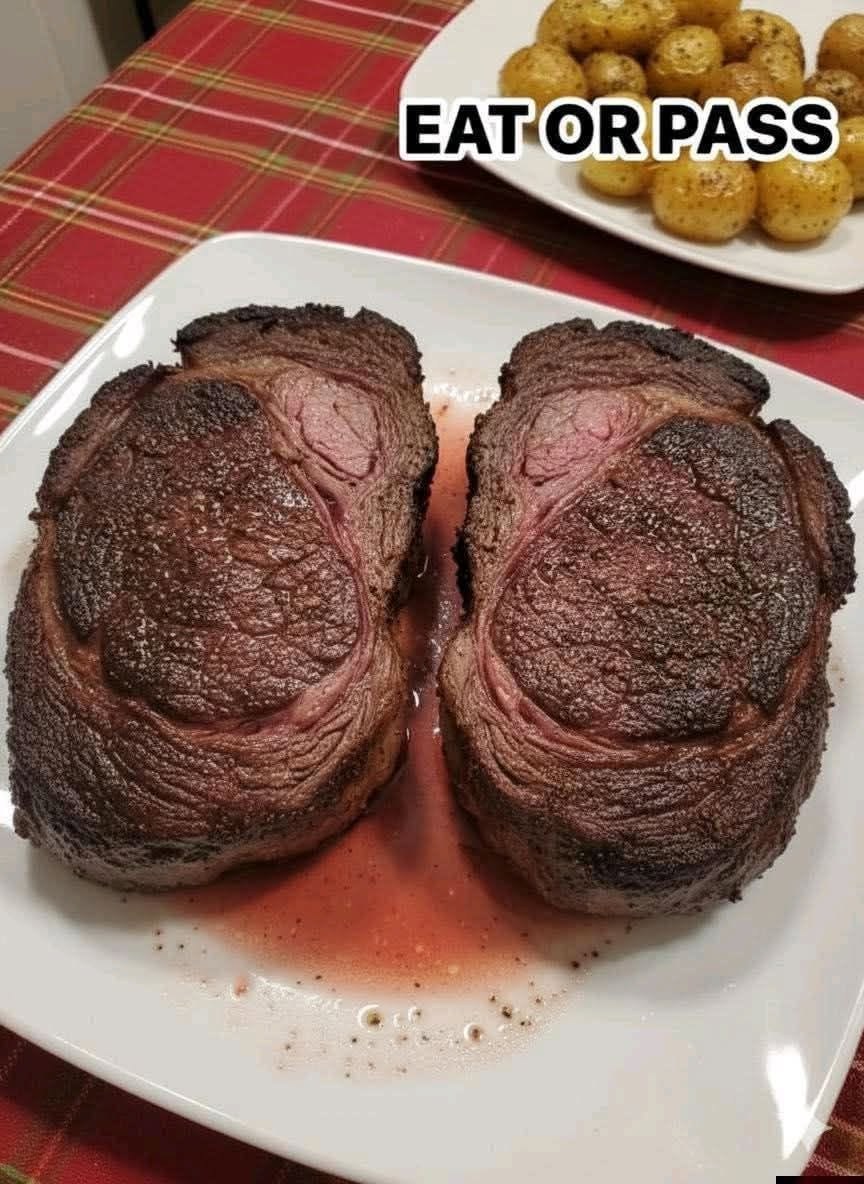
Seared Boneless Ribeye Steaks are a timeless favorite for steak lovers and home chefs who want a delicious, satisfying meal with minimal fuss. This recipe focuses on the natural richness and marbling of the ribeye, which is expertly seared to develop a deeply caramelized crust while preserving the tender, juicy interior. Perfect for those who want to master steak cooking techniques or simply enjoy a quick but impressive meal, this method combines simple seasoning and a classic basting technique to enhance the beef’s natural flavors.
Whether you’re preparing dinner for two or honing your culinary skills, this recipe is designed to deliver consistent results every time. With a total prep and cook time of about 20 minutes, it’s ideal for busy weeknights or weekend indulgences. The addition of butter, garlic, and fresh herbs during basting infuses the steak with an aromatic richness that elevates the eating experience beyond a simple sear.
Why you’ll love this Seared Boneless Ribeye Steaks recipe
- Produces a perfectly caramelized crust while keeping the steak juicy inside, striking a balance between texture and tenderness.
- Quick cooking time makes it ideal for busy evenings without sacrificing the depth of flavor.
- Uses minimal, easy-to-find ingredients, allowing the ribeye’s natural taste to shine through.
- Allows customization with herbs and butter basting to create a complex aroma and enhanced richness.
- Simple technique suitable for cooks of all skill levels aiming for restaurant-quality steak at home.
Ingredients
- 2 thick boneless ribeye steaks (12-16 oz / 340-450 g each)
- 1 1/2 tsp kosher salt
- 1 tsp freshly ground black pepper
- 1 tbsp neutral oil
- 2 tbsp unsalted butter
- 2 garlic cloves, lightly crushed
- 2 sprigs thyme or rosemary (optional)
These key ingredients are carefully chosen to bring out the best qualities of the ribeye steak. Selecting ribeye steaks with visible marbling is essential because the intramuscular fat melts during cooking, providing tenderness and juicy flavor. Kosher salt and freshly ground black pepper form the fundamental seasoning, enhancing the beef’s natural taste without overpowering it. Using a neutral oil with a high smoke point, such as canola or grapeseed, allows for a hot sear without burning the fat. Unsalted butter enriches the flavor and helps create a luscious basting liquid, while garlic and fresh herbs like thyme or rosemary add aromatic complexity. Choosing steaks about 1.5 inches thick is ideal to achieve a satisfying crust and maintain control over the desired doneness.
Instructions
- Dry and rest the steaks: Pat the ribeye steaks very dry with paper towels to remove moisture, which helps develop a superior crust during searing. Let them sit at room temperature for 30-45 minutes to ensure even cooking throughout the steak.
- Season generously: Sprinkle kosher salt and freshly ground black pepper evenly on all sides of the steaks to provide balanced seasoning that penetrates the meat as it cooks.
- Heat the skillet: Place a heavy cast-iron skillet over high heat until it is very hot, almost smoking. This high temperature is necessary to create a deep sear. Add the neutral oil and swirl to coat the pan evenly.
- Sear the steaks: Place the steaks in the hot skillet and sear for 2-3 minutes on each side until a deep brown crust forms. Be sure to briefly sear the edges by holding the steak with tongs to seal in juices and flavor.
- Add butter and aromatics: Reduce heat to medium to prevent burning the butter. Add unsalted butter, lightly crushed garlic cloves, and thyme or rosemary sprigs if using, allowing the butter to melt and infuse with the aromatics.
- Baste the steaks: Tilt the pan slightly and use a spoon to continuously baste the steaks with the melted butter, garlic, and herbs for 1-2 minutes. This technique adds flavor and keeps the meat moist during the final cooking stages.
- Cook to desired doneness: Continue cooking until the internal temperature reaches about 125-130°F (52-54°C) for medium-rare, or adjust according to your preference. Use an instant-read thermometer for accuracy.
- Rest the meat: Transfer the steaks to a plate and let them rest for 5-10 minutes. Resting allows the juices to redistribute, resulting in a tender and juicy bite.
- Serve: Serve the steaks whole with the resting juices spooned over the top. Roasted baby potatoes or your preferred side dish make excellent accompaniments.
Tips for the best results
- Pat steaks completely dry: Removing surface moisture is crucial because water creates steam, which inhibits browning. A dry surface ensures a better Maillard reaction and a flavorful crust.
- Bring steaks to room temperature: Allowing the steaks to rest outside the fridge for 30-45 minutes ensures even heat penetration, preventing the outside from overcooking while waiting for the center to warm.
- Use a heavy cast-iron skillet: Cast iron retains and distributes heat evenly, maintaining a consistent high temperature for a superior sear and preventing hot spots that can burn the meat.
- Don’t overcrowd the pan: Cooking too many steaks at once lowers the pan temperature, causing steaming instead of searing. Cook in batches if necessary to maintain heat and achieve a proper crust.
- Use a meat thermometer: Checking internal temperature precisely helps avoid undercooked or overcooked steaks, ensuring your preferred doneness is reached every time.
- Let the steak rest after cooking: Resting allows fibers to relax and juices to redistribute, which enhances tenderness and prevents dry steak when sliced.
Variations and substitutions
- Herbs: Try swapping thyme or rosemary with sage or oregano to experiment with different aromatic profiles that complement the beef.
- Butter alternatives: Use ghee or clarified butter for a higher smoke point and a slightly nutty flavor that withstands the high heat better than regular butter.
- Seasoning: Add smoked paprika, garlic powder, or even a pinch of cayenne for extra depth and a subtle smoky or spicy kick.
- Oil options: Substitute the neutral oil with avocado or peanut oil, both of which have high smoke points suitable for searing.
- Steak cuts: Apply this searing method to other boneless steaks like New York strip or sirloin for variety while maintaining great results.
Serving suggestions
Seared Boneless Ribeye Steaks pair wonderfully with classic sides such as roasted baby potatoes, which absorb the steak’s resting juices beautifully, or creamy mashed potatoes for a comforting contrast. Fresh green salads with a light vinaigrette add brightness and balance the richness of the meat. Sautéed vegetables like asparagus, green beans, or mushrooms provide earthy flavors and a pleasant texture contrast. For an indulgent finish, drizzle the resting juices or a simple garlic herb butter sauce over the steak. This meal is complemented excellently by a full-bodied red wine, such as Cabernet Sauvignon or Malbec, or a robust craft beer that can stand up to the steak’s richness.
Storage and reheating
Leftover ribeye steaks can be stored in an airtight container in the refrigerator for up to 3 days without significant loss of quality. To reheat, warm the steak gently in a skillet over low heat with a splash of beef broth or a small amount of butter to help preserve moisture and prevent drying out. Avoid reheating in the microwave, as it tends to make steak tough and unevenly heated. Alternatively, wrap the steak in foil and reheat it in a low oven set to about 250°F (120°C) until warmed through, which preserves texture and juiciness better.
Frequently asked questions
What thickness should ribeye steaks be for searing?
The ideal thickness for ribeye steaks is about 1.5 inches. This thickness allows the steak to develop a flavorful crust on the outside while cooking evenly inside to your desired doneness. Thinner steaks cook too quickly and risk overcooking, while thicker steaks require more careful temperature control to avoid undercooked centers.
Can I use a regular skillet instead of cast iron?
You can use a regular skillet if you don’t have cast iron, but cast iron is preferred because it retains and distributes heat more evenly. This helps achieve a better sear. If using a different pan, make sure it can withstand high heat and preheat it thoroughly to get as close as possible to the searing effect of cast iron.
How do I know when the steak is medium-rare?
Using an instant-read meat thermometer is the most reliable way to check doneness. For medium-rare, the internal temperature should be about 125-130°F (52-54°C). Additionally, the steak will feel soft but with slight resistance when pressed with your finger or tongs, indicating the perfect balance of juiciness and firmness.
Why is resting the steak important?
Resting the steak after cooking is critical because it allows the muscle fibers to relax and the juices to redistribute evenly throughout the meat. Cutting into the steak immediately causes the juices to run out, resulting in dry, less flavorful meat. A proper rest ensures a tender, juicy bite every time.
Can I marinate the ribeye before searing?
Ribeye steaks are naturally flavorful due to their marbling, so marinating is usually optional. If you prefer to marinate, keep it brief—30 minutes to an hour—to avoid altering the texture. Avoid acidic marinades for long periods as they can break down the meat fibers too much, resulting in a mushy texture.
Final thoughts
Seared Boneless Ribeye Steaks offer a perfect combination of simplicity and sophistication, allowing you to enjoy a premium cut of beef with minimal effort. This recipe’s straightforward ingredients and clear steps empower cooks of all levels to create restaurant-quality steak at home. Give this method a try for your next meal and experience the rich, buttery flavor and satisfying crust of a perfectly cooked ribeye that will impress family and guests alike.