
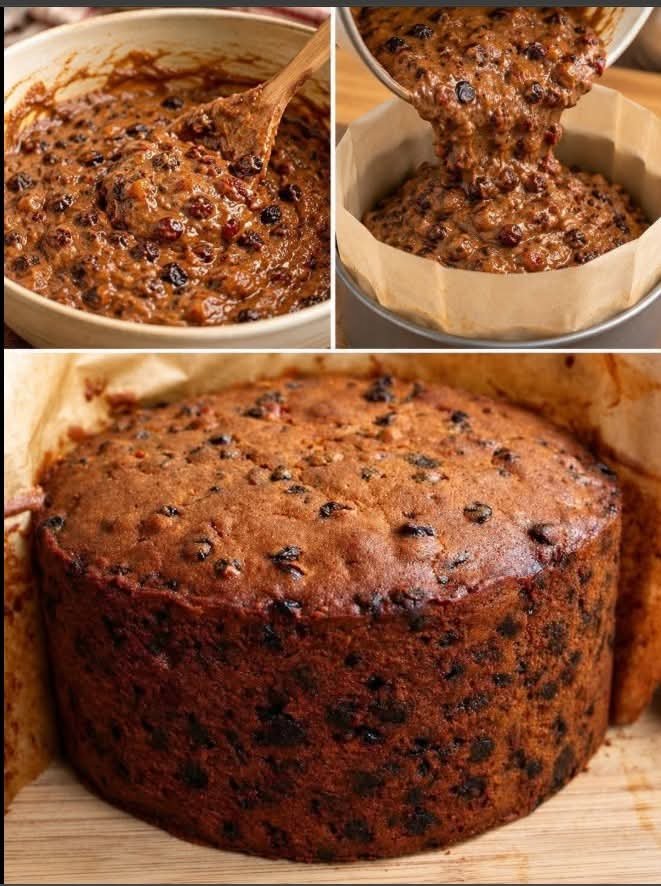
Search Results for: Old-Fashioned Christmas Fruitcake Recipe
Every holiday season, search engines fill with queries for a traditional holiday treat that has stood the test of time. The old-fashioned Christmas fruitcake remains one of the most cherished baked goods in many households, valued for its rich flavor, long shelf life, and deep connection to family tradition. Whether you are searching for your grandmother’s handwritten recipe or looking for a reliable method to make a dense, moist, spiced fruitcake from scratch, this guide brings together everything you need to know.
What Makes a Traditional Christmas Fruitcake Special
A classic fruitcake is far more than a dessert filled with dried fruit. It is a slow-maturing confection built on dried fruits, nuts, warm spices, and a generous splash of spirits or fruit juice. Unlike a light sponge cake, the traditional version has a tight, moist crumb that improves with time. Many bakers wrap their cakes in brandy-soaked cloth and store them for weeks before serving, allowing the flavors to deepen and blend.
The appeal lies in its balance. The sweetness of candied peel and raisins is offset by the warmth of cinnamon, nutmeg, and mace. Toasted pecans or walnuts add texture, while a little molasses or dark sugar contributes a caramel richness. The result is a cake that tastes like the holidays in every bite.
Essential Ingredients for an Old-Fashioned Fruitcake
Assembling the right ingredients is the foundation of a successful fruitcake. Here is a list of the core components most traditional recipes call for:
– Dried fruits: Raisins, currants, sultanas, dried figs, and chopped dates
– Candied fruits: Candied cherries, orange peel, and lemon peel
– Nuts: Pecans, walnuts, or blanched almonds, chopped or halved
– Flour: All-purpose flour for structure
– Fats and sugars: Unsalted butter and dark brown sugar for moisture and flavor
– Eggs: Whole eggs to bind the batter and add lift
– Spices: Ground cinnamon, nutmeg, allspice, ginger, and cloves
– Leavening: A small amount of baking soda or baking powder
– Liquids: Brandy, dark rum, bourbon, or apple juice for soaking and moisture
– Molasses or treacle: A spoonful adds depth and a classic dark color
Choosing high-quality dried fruit makes a noticeable difference. Plump, fresh-smelling fruit yields a far better cake than shriveled or stale varieties. Many bakers soak their dried fruit overnight in the spirit of their choice to soften it and maximize flavor.
A Step-by-Step Old-Fashioned Fruitcake Method
Preparing a traditional fruitcake is a rewarding process that rewards patience. Follow these general steps for a dependable result.
Step 1: Soak the Fruit
Combine your raisins, currants, chopped dates, figs, and candied peel in a bowl. Pour over enough brandy, rum, or apple juice to cover, then cover the bowl and let it stand overnight or for up to several days. This step plumps the fruit and infuses it with flavor.
Step 2: Prepare the Pan
Preheat your oven to a low temperature, typically around 300 degrees Fahrenheit (150 degrees Celsius). Grease a deep cake tin, then line it with parchment paper, extending the paper above the rim. Many traditional recipes also wrap the outside of the pan with a double layer of brown paper or newspaper to protect the edges during the long bake.
Step 3: Cream the Butter and Sugar
In a large bowl, beat softened butter and dark brown sugar until light and fluffy. This step traps air that helps the cake rise and creates a tender texture.
Step 4: Add the Eggs and Molasses
Beat in the eggs one at a time, mixing well after each addition. If the mixture begins to look curdled, add a spoonful of flour to bring it back together. Stir in the molasses for color and a rich, slightly bittersweet flavor.
Step 5: Combine the Dry Ingredients
Sift together the flour, spices, baking soda, and salt. Fold this mixture gently into the wet ingredients in two or three additions. Overmixing can toughen the cake, so stop as soon as the flour disappears.
Step 6: Fold in the Fruit and Nuts
Drain any excess liquid from the soaked fruit, then fold the fruit and chopped nuts into the batter. Make sure everything is evenly distributed. The batter will be thick and heavy, which is normal for a fruitcake.
Step 7: Bake Low and Slow
Spoon the batter into the prepared tin and smooth the top. Bake for roughly three to four hours, depending on the size of your pan. A skewer inserted into the center should come out clean. To prevent the top from over-browning, cover it loosely with foil partway through baking.
Step 8: Cool and Feed
Allow the cake to cool completely in the tin before removing it. Once cool, wrap it in parchment and foil and store it in a cool, dry place. Many bakers “feed” their fruitcake by brushing it with a spoonful of brandy or rum every week or two for up to six weeks. This practice keeps the cake moist and enhances its flavor.
Tips for Achieving the Best Results
Several small adjustments can elevate your fruitcake from good to exceptional. First, use a light hand when mixing to keep the crumb tender. Second, line the pan generously, because the long bake can cause edges to dry out. Third, check for doneness early, since ovens vary considerably. Finally, be patient. A fruitcake baked today will taste noticeably better after a few weeks of aging.
For those who prefer a non-alcoholic version, apple