
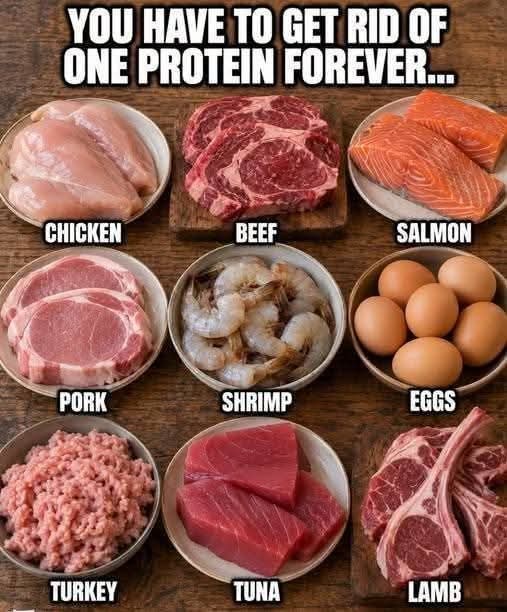
Protein Sources Assortment is a practical way to cook a variety of proteins in one session, so you can compare chicken, beef, salmon, pork, shrimp, eggs, turkey, tuna and lamb side by side. This guide walks you through a simple, reliable method for each protein, with the cooking temperatures and times you need to get it right. It is designed for home cooks who want variety on the table, meal planners cooking for a family, and anyone curious about how different proteins behave in the pan.
Because every protein has its own texture and cooking point, a mixed spread is a great learning exercise. Chicken and turkey need full doneness, beef and lamb shine when they are pink in the middle, and seafood cooks in minutes. Once you know the basics for each one, you can serve them together as a generous platter for 4 to 6 people, or pick two or three favorites for a weeknight dinner.
Why you’ll love this protein sampler
- It gives you nine distinct flavors and textures in one session, so no one at the table gets bored.
- Each protein uses a simple method of seasoning, searing or boiling, which makes the process easy to follow.
- You learn the doneness cues for meat, poultry, seafood and eggs, a skill that carries over into every future meal.
- The mix is flexible, so you can cook all nine or only the proteins you have in your fridge.
- Served with lemon, fresh herbs and a few sides, it turns an ordinary weeknight into an impressive spread.
Ingredients
- 2 boneless skinless chicken breasts
- 2 beef steaks (ribeye or striploin)
- 2 salmon fillets
- 2 bone-in pork chops
- 8 large raw shrimp, peeled
- 6 large eggs
- 1 lb ground turkey
- 2 tuna steaks
- 4 lamb rib chops
- Olive oil
- Salt and black pepper
- Lemon wedges and fresh herbs for serving
Choose proteins that look fresh and smell clean. Look for chicken breasts of even thickness so they cook at the same rate, and pick beef steaks with good marbling for tenderness. Salmon should have bright flesh and firm texture, while tuna steaks should be deep red and sealed in plastic with no browning at the edges. Buy shrimp that are firm and translucent, and check that eggs are fresh and uncracked. Keep everything cold until you are ready to cook.
Instructions
- Prepare your workspace. Keep all raw proteins refrigerated until you are ready to cook, and use separate cutting boards and utensils for meat, poultry and seafood to avoid cross-contamination.
- Cook the chicken. Season the breasts with salt, pepper and olive oil, then pan-sear or bake at 200C/400F for about 18-22 minutes until the inside reaches 74C/165F.
- Sear the beef. Pat the steaks dry, season them generously and sear in a very hot pan for 3-4 minutes per side for medium-rare. Rest them for 5 minutes before slicing.
- Cook the salmon. Season the fillets and place them skin-side down in a hot pan. Cook for 4-5 minutes, flip, then cook 2-3 minutes more until the flesh flakes easily.
- Sear the pork chops. Cook the chops for 4-5 minutes per side until the internal temperature reaches 63C/145F. Rest them for 5 minutes so the juices settle.
- Sauté the shrimp. Heat a little oil in a pan and cook the shrimp for 1.5-2 minutes per side until they turn pink and opaque.
- Boil or fry the eggs. Boil the eggs for 7-10 minutes for soft to hard-boiled results, or fry or scramble them to your taste.
- Brown the ground turkey. Cook the turkey in a skillet for 6-8 minutes, breaking it up, until it reaches 74C/165F and no longer looks pink.
- Sear the tuna. Heat the pan until very hot and sear the tuna for 1-2 minutes per side, leaving the center rare. Slice it thinly before serving.
- Cook the lamb. Sear the rib chops for 3-4 minutes per side for medium-rare, then rest them for 5 minutes.
- Plate and serve. Arrange everything on a large platter with lemon wedges and fresh herbs, and add your choice of sides.
Tips for the best results
- Pat proteins dry with paper towels before seasoning, since a dry surface sears better and browns more evenly.
- Use a meat thermometer for chicken, pork, turkey and beef, rather than relying on color alone.
- Let the pan get properly hot before adding meat, so you get a crust instead of steaming the surface.
- Avoid crowding the pan; cook in batches so the temperature stays high and the food browns well.
- Rest beef, pork and lamb for about 5 minutes so the juices redistribute and the meat stays moist.
- Cook seafood quickly and watch closely, because shrimp, salmon and tuna can go from perfect to dry in moments.
Variations and substitutions
- Swap the beef for a leaner cut like sirloin or flank steak, which cook quickly and slice well for fajitas or salads.
- Use boneless chicken thighs instead of breasts for extra juiciness, adjusting the cooking time slightly longer.
- Try trout or cod in place of salmon or tuna if you prefer a milder fish flavor.
- Use plant-based crumbles instead of ground turkey for a meatless option, following the package directions.
- Change the seasoning by adding smoked paprika, cumin, garlic powder or a squeeze of lime to give each protein a different character.
Serving suggestions
Arrange the proteins on a large platter so each one is easy to identify and guests can build their own plates. Pair the spread with roasted vegetables such as zucchini, bell peppers and potatoes, plus a green salad with a bright vinaigrette to balance the richness of the meat. Offer rice, couscous or crusty bread for soaking up juices, and set out lemon wedges, fresh herbs and a simple yogurt sauce. Sliced tuna and salmon look especially beautiful next to the lamb and beef, while boiled eggs halved on top add a pleasing contrast.
Storage and reheating
Store cooked proteins in separate airtight containers in the refrigerator and eat them within three to four days. Keep seafood and eggs especially cold, and avoid leaving any cooked food at room temperature for more than two hours. To reheat, warm chicken, turkey, pork and shrimp gently in a covered pan with a splash of water or broth until heated through. Reheat beef and lamb briefly and gently so they do not overcook, and eat tuna and salmon cold or lightly warmed to keep their texture.
Frequently asked questions
How do I know when chicken is fully cooked?
The safest method is to check the thickest part with a meat thermometer, which should read 74C/165F. The juices should run clear and the meat should no longer look pink in the center. If you do not have a thermometer, cut into the thickest piece to confirm.
What is the best way to cook steak to medium-rare?
Sear the steak in a very hot pan for about 3-4 minutes per side, then rest it for 5 minutes before slicing. Medium-rare usually reads around 54-57C/130-135F on a thermometer. Resting is important because it lets the juices settle back into the meat.
How can I tell when salmon is done?
Salmon is ready when the flesh flakes easily with a fork and the color has changed from translucent to opaque. Many people like it slightly translucent in the center for a moister texture. Cook it skin-side down first to get a crispy skin.
Is it safe to eat tuna rare?
Tuna is often seared and left rare in the center, which many people enjoy. Buy it from a trusted fishmonger and use it fresh, keeping it cold until you cook it. If you have concerns about raw or undercooked seafood, cook it through instead.
How long do cooked eggs keep in the fridge?
Hard-boiled eggs keep for about one week in the refrigerator when stored in their shells. Scrambled or fried eggs are best eaten within a day or two. Always refrigerate eggs promptly after cooking.
Final thoughts
Cooking a Protein Sources Assortment is a rewarding way to practice essential techniques and bring variety to your table. Once you know the timing and temperatures for each protein, you can mix and match them for any occasion, from a relaxed family dinner to a platter for guests. Try this recipe this week, start with your favorites, and build your own confident repertoire one protein at a time.