
Introduction
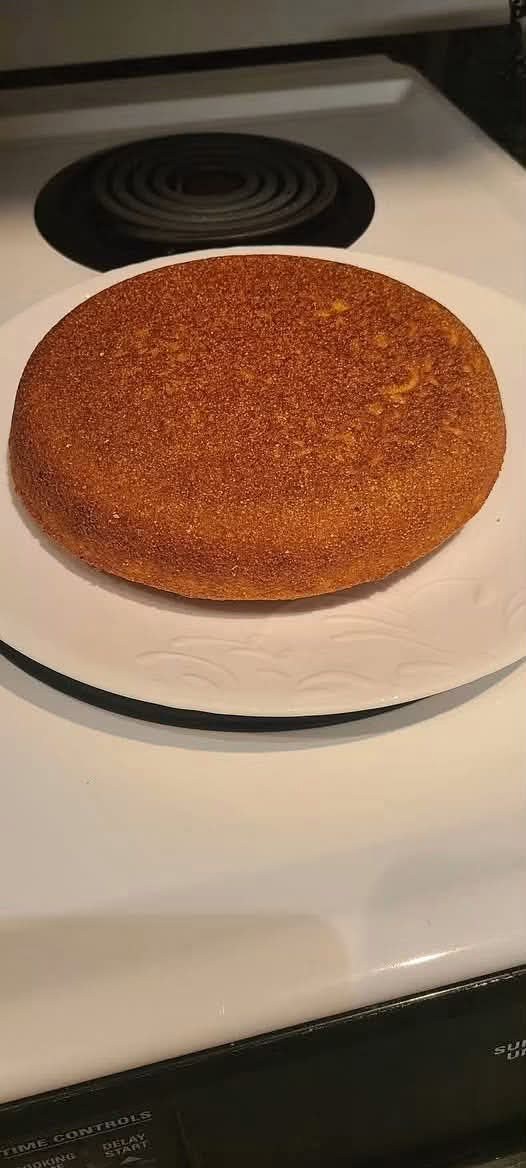
Persian Tahdig (Crispy Rice Cake) is a beloved rice dish known for its irresistibly crunchy, golden crust formed at the bottom of the pot. This classic Iranian recipe transforms simple basmati rice into a flavorful centerpiece that can elevate any meal. Whether you’re an adventurous home cook or a fan of Middle Eastern cuisine, this recipe offers a perfect balance of texture and aroma that’s sure to impress.
With a total prep time of around 45 minutes including soaking, and a cook time between 50 to 60 minutes, Persian Tahdig requires some patience but rewards you with a stunningly crisp rice cake infused with fragrant saffron and creamy yogurt. This step-by-step guide will help you master this dish with ease, delivering a perfectly crunchy tahdig every time.
Why you’ll love this Persian Tahdig (Crispy Rice Cake)
- This recipe yields a beautifully crisp and golden crust that is the hallmark of authentic tahdig.
- The combination of saffron and yogurt adds subtle fragrance and a creamy texture that enhances the rice.
- Using basmati rice ensures fluffy, separate grains that complement the crispy bottom layer perfectly.
- The cooking method creates a delightful contrast between tender steamed rice and crispy crust.
- It’s a versatile dish that pairs well with a variety of Persian stews, kebabs, and salads.
Ingredients
- 2 cups basmati rice
- 8 cups water
- 2 tablespoons kosher salt, plus more for boiling water
- 3 tablespoons plain whole-milk yogurt
- 1 egg yolk
- 2 tablespoons brewed saffron water or 1/4 teaspoon ground saffron bloomed in 2 tablespoons hot water
- 4 tablespoons unsalted butter, melted
- 3 tablespoons neutral oil
Preparation time includes 15 minutes active prep plus 30 minutes soaking, with a cook time of 50 to 60 minutes, serving 4 to 6 people. The key ingredients for Persian Tahdig are basmati rice, prized for its long grains and delicate aroma, and saffron, which brings a vibrant color and floral note. Whole-milk yogurt contributes to the tender base mixture, while butter and oil ensure a rich, golden crust. Opt for high-quality saffron, either ground or brewed, to maximize flavor and color.
Instructions
- Rinse and soak the rice: Rinse the basmati rice several times under cold water until the water runs mostly clear. Soak the rice in cold water mixed with 1 tablespoon salt for 30 minutes, then drain thoroughly.
- Parboil the rice: Bring 8 cups of water to a boil with 1 tablespoon salt. Add the soaked rice and boil for 5 to 7 minutes until grains elongate and the outside softens but the center remains slightly firm. Drain the rice well to remove excess water.
- Prepare the yogurt mixture: In a bowl, combine the plain yogurt, egg yolk, saffron water, 2 tablespoons melted butter, and 2 tablespoons oil. Fold in about 2 cups of the parboiled rice to create a thick base mixture.
- Heat fats in the pan: Warm the remaining 1 tablespoon oil and 2 tablespoons butter in a nonstick pot or deep skillet over medium heat until melted and hot.
- Form the tahdig base: Evenly spread the yogurt-rice mixture over the bottom of the pan, pressing lightly to create a compact layer.
- Add the remaining rice: Gently mound the rest of the parboiled rice on top of the base mixture, shaping it into a gentle dome.
- Create steam holes and cover: Using the handle of a spoon, poke a few small holes in the rice to allow steam to escape. Wrap the lid of the pot with a clean towel and cover tightly to trap moisture.
- Cook the tahdig: Cook over medium heat for 8 to 10 minutes to start crisping the bottom, then reduce heat to low and steam for 35 to 45 minutes, until the bottom is deeply golden and crisp.
- Rest and unmold: Remove the pot from heat and let it rest for 5 minutes. Run a thin spatula around the edge if needed, then carefully invert the pot onto a large serving plate so the tahdig comes out as one crispy rice cake.
- Serve immediately: Break the crisp crust into pieces at the table and enjoy alongside your favorite Persian dishes.
Tips for the best results
- Rinse the rice until water runs clear to remove excess starch and prevent clumping.
- Soak the rice for at least 30 minutes to help elongate the grains and achieve better texture.
- Parboil the rice just until grains are softened on the outside but still firm inside to avoid mushy rice.
- Use a nonstick pot or well-seasoned pan to prevent the tahdig from sticking and breaking apart when unmolding.
- Wrapping the lid with a towel helps absorb condensation and keeps the crust crisp.
- Adjust cooking times based on your stove’s heat output to avoid burning or undercooking the crust.
Variations and substitutions
- Potato tahdig: Replace the yogurt-rice base with thinly sliced potatoes for a crispy potato crust.
- Bread tahdig: Use lavash or flatbread instead of yogurt mixture for a different crispy base.
- Use brown basmati rice: For a nuttier flavor and added fiber, substitute brown basmati but increase soaking and cooking times.
- Herb-infused tahdig: Add chopped fresh herbs like dill or parsley to the rice mixture for extra aroma.
- Butter alternatives: Substitute unsalted butter with ghee or olive oil for a richer or lighter flavor profile.
Serving suggestions
Persian Tahdig is best served immediately while the crust is still crisp. It pairs beautifully with traditional Persian stews like Ghormeh Sabzi or Fesenjan, grilled kebabs, or simply with a fresh cucumber and tomato salad. Break the tahdig into pieces at the table to share with family or guests, adding a delightful crunchy texture to each bite. A dollop of yogurt or a sprinkle of fresh herbs can enhance the flavors further.
Storage and reheating
Store leftover tahdig in an airtight container in the refrigerator for up to 2 days. To reheat and restore crispiness, gently warm it in a nonstick pan over low heat without stirring, allowing the crust to crisp up again. Avoid microwaving as it may make the crust soggy. For longer storage, freeze portions tightly wrapped, then thaw and reheat on the stove.
Frequently asked questions
What type of rice is best for Persian Tahdig?
Basmati rice is ideal due to its long grains and fragrant flavor, which separate well when cooked. This results in a light, fluffy texture with a crisp crust, essential for authentic tahdig.
Can I make Tahdig without yogurt?
Yes, yogurt adds creaminess and helps bind the crust, but you can also make tahdig using only butter and oil. Alternatively, using thin slices of potato or bread can create different tahdig variations without yogurt.
How do I prevent the tahdig from sticking to the pan?
Using a nonstick or well-seasoned heavy-bottomed pot, sufficient butter and oil, and cooking over moderate heat help prevent sticking. Letting the tahdig rest before unmolding also makes removal easier.
Is saffron necessary for Tahdig?
Saffron adds a distinctive aroma and beautiful golden color, elevating the dish. While optional, it’s highly recommended for an authentic Persian flavor and aesthetic.
Can I prepare Persian Tahdig in advance?
The best texture is achieved when served fresh. You can prepare the rice base ahead but assemble and cook the tahdig just before serving to maintain the crispy crust.
Final thoughts
Persian Tahdig (Crispy Rice Cake) is a stunning dish that combines simple ingredients with a special cooking technique to create a memorable meal centerpiece. Its crispy golden crust and fragrant saffron aroma make it a standout addition to any dinner table. Give this authentic recipe a try and enjoy the rewarding crunch and flavor that only tahdig can offer.