
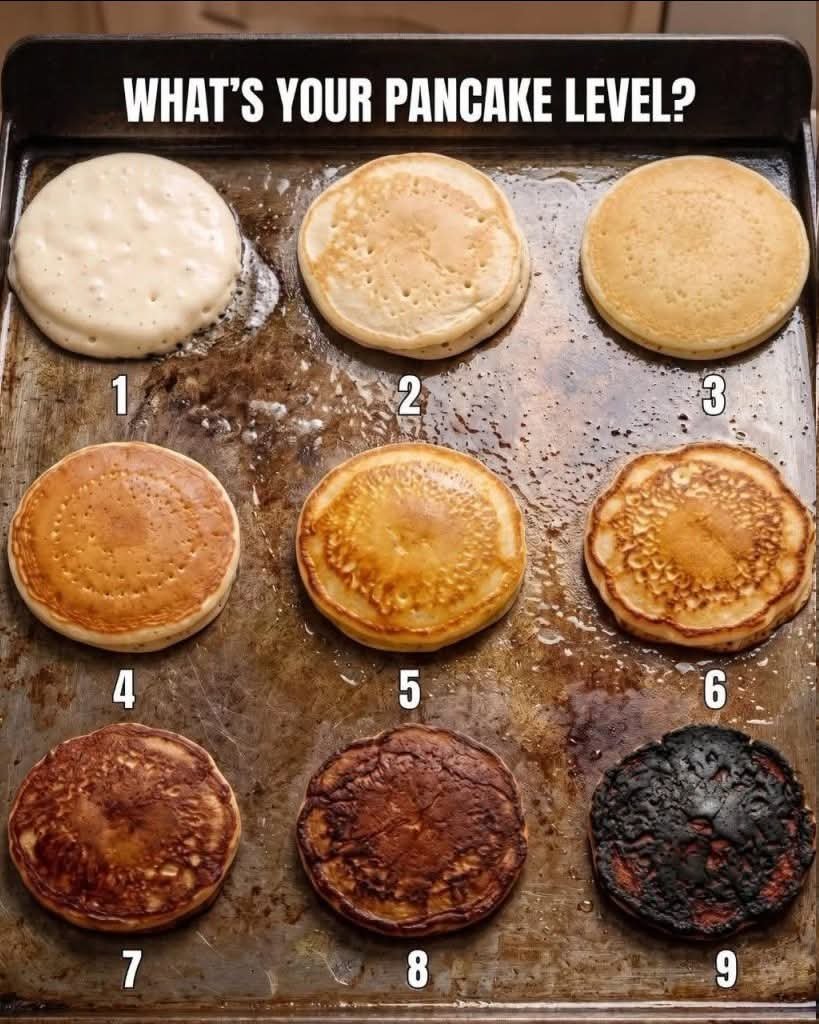
Pancake Doneness Guide
Pancakes are a beloved breakfast staple that can please anyone from kids to adults. However, making the perfect pancake involves more than just the right ingredients; achieving the ideal doneness is crucial. This comprehensive Pancake Doneness Guide will delve into how to determine when your pancakes are perfectly cooked, along with tips to ensure a delicious and satisfying breakfast experience.
Understanding Pancake Doneness
Pancake doneness refers to the texture and color of the pancake once it has been cooked. A perfectly done pancake should be golden brown on the outside, soft and fluffy on the inside, and ideally, it should bounce back slightly when touched. Knowing how to gauge doneness can significantly improve your pancake-making skills, allowing you to create a mouthwatering breakfast every time.
The Importance of Cooking Temperature
Before diving into doneness indicators, it is essential to understand that cooking temperature plays a vital role in achieving the right doneness for pancakes. A skillet or griddle should be preheated to medium heat. If your cooking surface is too hot, the pancakes may burn before cooking through. Conversely, if it’s not hot enough, you’ll end up with pale pancakes that lack flavor.
Recommended Cooking Temperature
– Medium Heat: Aim for a temperature around 350°F (175°C) for cooking pancakes. This warmth ensures that the insides cook properly while allowing the exterior to develop a beautiful golden-brown color.
Recognizing Signs of Pancake Doneness
1. Bubbles on the Surface
One of the most reliable signs of doneness is the presence of bubbles. As pancakes cook, steam forms within the batter. Small bubbles will appear on the surface of the pancake. When the bubbles begin to burst and create holes, it’s time to flip the pancake.
2. Edges Firming Up
As pancakes cook, the edges should appear slightly firm and set, rather than runny. This visual cue indicates that the batter is cooking through, leading to a fluffier interior.
3. Color
The perfect pancake should be golden brown on both sides. If you flip too early, you may see a pale underside, which suggests it’s undercooked. On the other hand, overly dark pancakes can indicate burnt pancakes, often leading to a bitter taste.
4. Bounce Back Test
After flipping pancakes, gently press the center with a spatula or your finger. A properly cooked pancake should bounce back without leaving an indentation. If it remains flat, it may need further cooking.
How to Achieve Pancake Perfection
Achieving pancake perfection goes beyond simply recognizing doneness. Here are some tips to help elevate your pancake game.
1. Use Quality Ingredients
Invest in high-quality flour, eggs, and milk for the best flavor and texture. Organic or specialty flours can add unique tastes to your pancakes.
2. Don’t Overmix
Mix your batter until just combined. A few lumps are fine; overmixing can result in tough, chewy pancakes.
3. Let the Batter Rest
Allowing the batter to rest for about 5-10 minutes can enhance fluffiness. This time lets the gluten relax, yielding a tender pancake.
4. Grease Lightly
Use a small amount of oil or butter to grease your cooking surface. Too much grease can lead to greasy pancakes, which can detract from the overall flavor.
5. Experiment with Flavors
Incorporating different flavors can take your pancakes from ordinary to extraordinary. Add ingredients like blueberries, chocolate chips, or nuts for added texture and taste.
Common Mistakes to Avoid
As you perfect your pancake-making skills, be aware of common mistakes that can affect doneness.
1. Skipping Preheating
Never skip preheating your skillet. A cold skillet results in uneven cooking and can lead to an unappetizing texture.
2. Flipping Too Soon
It’s easy to be impatient and flip pancakes prematurely. Wait until the aforementioned bubbles form and edges firm up.
3. Overcrowding the Pan
Cooking too many pancakes at once can lower the cooking temperature and lead to uneven results. Stick to two or three at a time for the best results.
Serving Suggestions
Now that you can achieve pancake doneness, let’s talk about serving suggestions to complement your creations.
1. Maple Syrup
The classic topper for pancakes, real maple syrup provides an ideal sweetness that enhances the fluffy texture.
2. Fresh Fruit
Adding fresh fruit like strawberries, bananas, or raspberries can boost flavor while providing nutritional value.
3. Whipped Cream
For a sweeter breakfast option, add a dollop of whipped cream on top. It adds creaminess and indulgence.
4. Nut Butters
Drizzling almond or peanut butter can offer a protein boost while adding a rich flavor.
Final Thoughts
The journey to pancake perfection hinges on understanding doneness. With the right temperature, keen observation, and a few helpful tips, you can create delightful pancakes that are sure to impress. Whether you prefer them classic with syrup or loaded with your favorite toppings, knowing the signs of doneness ensures a delicious outcome every time. Embrace the art of pancake-making, and savor the endless possibilities on your breakfast table. Happy cooking!