
Layered Steamed Coconut Cake (Kuih Lapis) – A Complete Recipe Guide
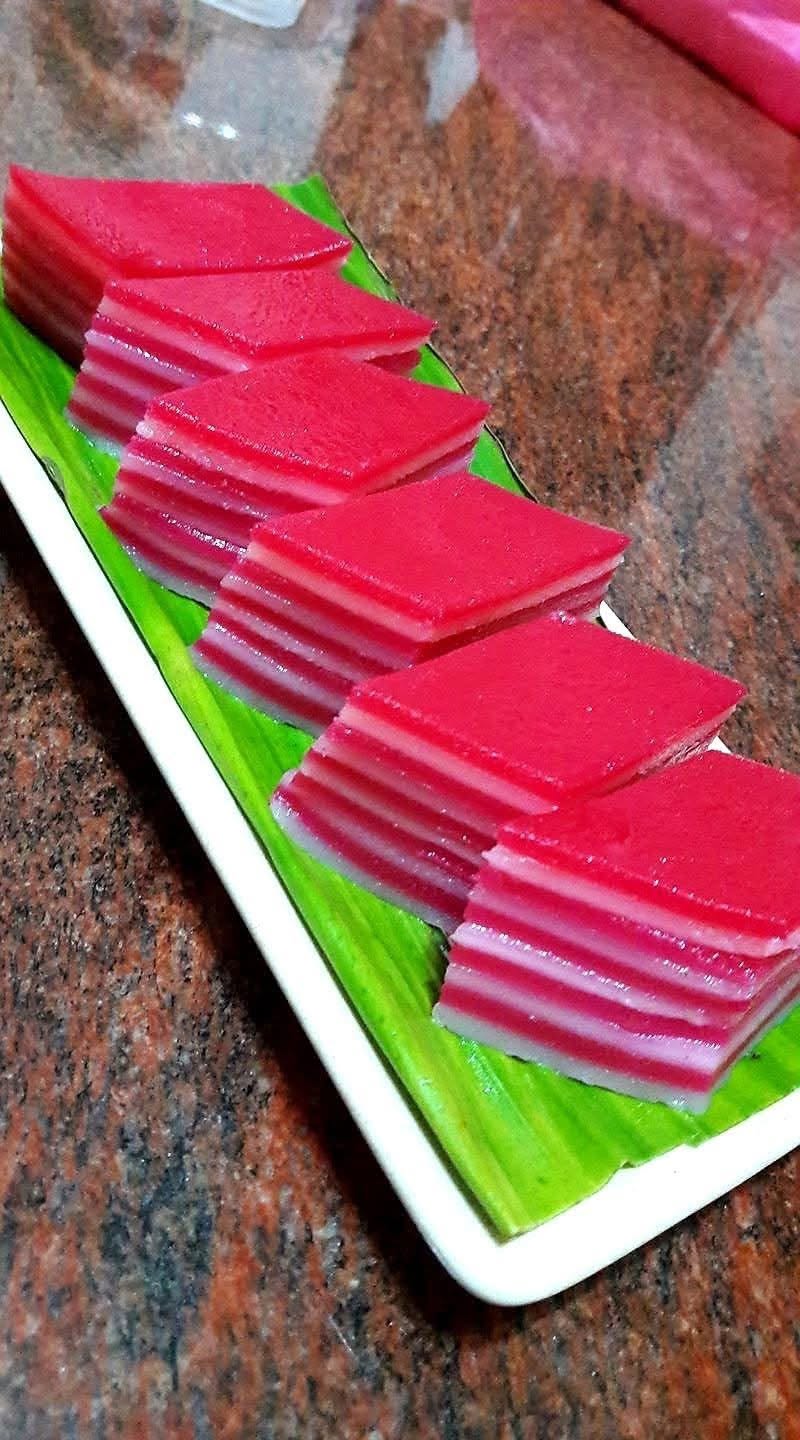
The dessert shown in the image is a beautiful Layered Steamed Coconut Cake, commonly known as Kuih Lapis in Malaysia, Indonesia, Singapore, and Brunei. This colorful treat is famous for its soft, chewy texture and eye-catching layers of pink and white. Made from rice flour, tapioca flour, coconut milk, and sugar, it is naturally gluten-free and perfect for celebrations, afternoon tea, or as a light dessert.
Its signature feature is the delicate layering process. Each layer is steamed individually before adding the next, creating the stunning striped appearance that makes this dessert so memorable.
What Is Kuih Lapis?
Kuih Lapis is a traditional Southeast Asian steamed cake. The word “Kuih” means snack or dessert, while “Lapis” means layers.
Unlike baked cakes, Kuih Lapis is steamed, giving it a smooth, slightly elastic texture. The combination of coconut milk and rice flour produces a rich flavor without being overly sweet.
Discover more
Explore Art Software
Discover Degree Programs
Explore Christian Books
Many people enjoy peeling the layers apart before eating, making it a fun dessert for both children and adults.
Why You’ll Love This Recipe
- Beautiful presentation
- Naturally gluten-free
- Soft and chewy texture
- Creamy coconut flavor
- Simple pantry ingredients
- Great for parties
- Easy to customize with different colors
- Can be made ahead of time
Preparation Time
- Prep Time: 20 minutes
- Cooking Time: 60–75 minutes
- Cooling Time: 2 hours
- Total Time: About 3½ hours
Servings
Discover more
photographs
Locate Medical Centers
Book Cancer Screenings
Makes 16–20 pieces
Ingredients
Dry Ingredients
- 250 g rice flour
- 100 g tapioca flour
- 50 g cornstarch
Wet Ingredients
- 500 ml thick coconut milk
- 500 ml water
- 250 g granulated sugar
- 1 teaspoon salt
- 1 teaspoon vanilla extract (optional)
Coloring
- Pink or red food coloring
- White layer remains uncolored
Equipment
- Steamer
- 8-inch square pan
- Mixing bowls
- Whisk
- Measuring cups
- Fine sieve
- Ladle
- Toothpick
Step 1: Prepare the Steamer
Discover more
Electrical
BABIES
hospital
Fill a large steamer with water.
Bring it to a gentle boil before preparing the batter.
Wrap the steamer lid with a clean kitchen towel to prevent water droplets from falling onto the cake.
Step 2: Make the Sugar Mixture
In a saucepan combine:
- Water
- Sugar
- Salt
Heat until the sugar completely dissolves.
Do not boil vigorously.
Allow to cool slightly.
Step 3: Mix the Flours
In a large bowl whisk together:
- Rice flour
- Tapioca flour
- Cornstarch
Mix thoroughly so there are no lumps.
Step 4: Add Coconut Milk
Slowly pour the coconut milk into the flour mixture.
Whisk continuously until smooth.
Gradually add the cooled sugar syrup.
Mix until the batter is silky.
Strain through a fine sieve.
Step 5: Divide the Batter
Separate the batter into two equal bowls.
Leave one bowl white.
Color the second bowl pink using food coloring.
Mix evenly.
Step 6: Steam the First Layer
Lightly grease the cake pan.
Pour one ladle of pink batter into the pan.
Steam for about 5 minutes.
The layer should be set before adding another.
Step 7: Continue Layering
Add one ladle of white batter.
Steam another 5 minutes.
Repeat alternating colors until all batter is used.
Most cakes have 10–14 layers.
The final pink layer is usually steamed slightly longer.
Steam the last layer for 15 minutes.
Step 8: Cool Completely
Remove from the steamer.
Allow the cake to cool at room temperature.
Do not cut while warm.
Refrigerate for one hour for clean slices.
Step 9: Slice
Use a lightly oiled knife.
Cut into:
- Diamonds
- Squares
- Rectangles
The slices should reveal perfectly even layers.
Texture
A perfect Kuih Lapis should be:
- Soft
- Moist
- Smooth
- Slightly chewy
- Easy to peel apart
Flavor
Expect a delicate combination of:
- Coconut milk
- Mild sweetness
- Light vanilla aroma
- Creamy finish
Tips for Perfect Layers
Always steam each layer until set.
Keep the batter stirred because the flour settles.
Maintain steady steam throughout cooking.
Explore Gourmet Recipes
Avoid opening the lid too often.
Use the same amount of batter for every layer.
Common Mistakes
Lumpy Batter
Always strain before steaming.
Uneven Layers
Measure each ladle carefully.
Sticky Texture
Steam each layer fully.
Dry Cake
Do not overcook.
Variations
Pandan Version
Replace pink coloring with pandan juice.
Chocolate Version
Mix cocoa powder into one portion.
Rainbow Version
Create multiple colored batters.
Purple Sweet Potato
Add mashed purple sweet potato.
Matcha
Use matcha powder for green layers.
Storage
Store in an airtight container.
Room temperature:
Up to 1 day.
Refrigerator:
Up to 5 days.
Freezer:
Up to 2 months.
Serving Suggestions
Serve with:
- Hot tea
- Coffee
- Fresh fruit
- Coconut flakes
Perfect for:
- Birthdays
- Eid celebrations
- Family gatherings
- Afternoon tea
- Holiday dessert tables
Nutritional Information (Approximate Per Piece)
- Calories: 140
- Carbohydrates: 28 g
- Protein: 2 g
- Fat: 3.5 g
- Saturated Fat: 3 g
- Sugar: 12 g
- Fiber: 0.5 g
- Sodium: 60 mg
Frequently Asked Questions
Can I use canned coconut milk?
Yes. Full-fat canned coconut milk gives the richest flavor and smoothest texture.
Why are my layers separating?
Each layer must be fully set before pouring the next. Steaming too briefly can cause the layers to separate.
Can I reduce the sugar?
Yes. Reduce it by 20–25% if you prefer a less sweet dessert, though the texture may be slightly affected.
Why is my cake rubbery?
Too much tapioca flour or over-steaming can make the cake excessively chewy.
Can I make it in advance?
Absolutely. Kuih Lapis is often even better the next day after the flavors have settled and the cake has fully cooled.
Final Thoughts
Layered Steamed Coconut Cake (Kuih Lapis) is a timeless Southeast Asian dessert that combines simple ingredients with a striking presentation. Its alternating pink and white layers, soft chewy texture, and rich coconut flavor make it a favorite for festive occasions and everyday treats alike. Although steaming each layer requires patience, the process is straightforward, and the beautiful results are well worth the effort. Whether enjoyed with a cup of tea, shared with family, or served at a celebration, this elegant layered cake is sure to impress both in appearance and taste.