
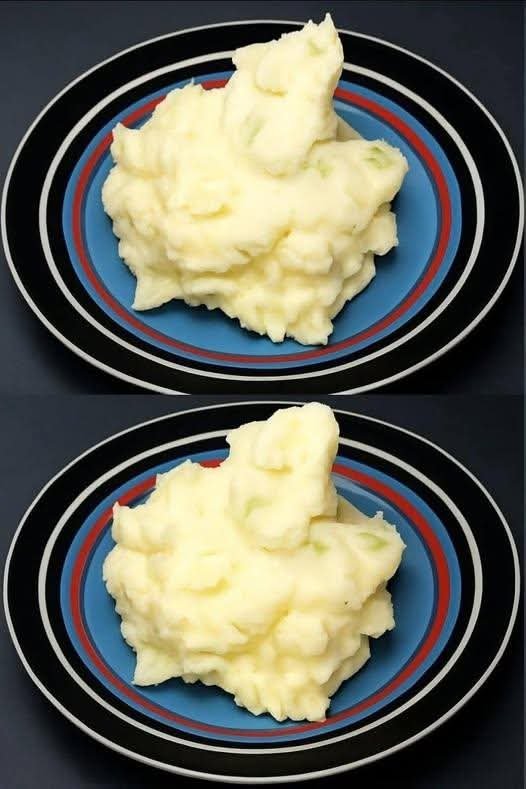
Grandma’s Mashed Potatoes: The Secret to the Creamiest, Most Comforting Side Dish Ever
There is something about a bowl of truly great mashed potatoes that stops conversation at the dinner table. The steam rises, the butter melts into golden pools, and every spoonful feels like a hug. Many home cooks try to recreate the mashed potatoes they remember from childhood, only to end up with a side dish that is gluey, bland, or watery. The good news is that the magic behind classic homestyle mashed potatoes is not a family mystery. It comes down to smart ingredient choices, proper technique, and a few small details that make a big difference. In this guide, you will learn exactly how to make creamy, rich, comforting mashed potatoes that rival grandma’s best.
Why Grandma’s Mashed Potatoes Taste So Good
Grandma’s recipe was never complicated. Its power came from respecting the potato and using fat and dairy generously. Most traditional recipes rely on a few core principles: starchy potatoes, plenty of real butter, warm dairy added gradually, and careful seasoning. Each element plays a role in creating the texture and flavor that people remember for decades.
The creaminess comes from the interaction between potato starch and fat. When cooked potatoes are mashed with butter and warm cream or milk, the fat coats the starch granules and keeps them from clumping into a dense paste. The result is a fluffy, velvety texture that feels luxurious on the tongue. Flavor depends on salt, butter quality, and sometimes aromatics like garlic or chives that quietly enhance the natural sweetness of the potatoes.
Choosing the Right Potatoes
The single most important decision you will make is which potato to use. Starchy potatoes, such as Russets (also called Idaho potatoes), break down into light, fluffy mash. Yukon Gold potatoes are a popular middle ground because they are naturally buttery and hold together well while still mashing smoothly. Waxy potatoes like red bliss or fingerlings tend to stay firm and become dense when mashed, so they are better suited for potato salads and roasted dishes.
For the classic grandma-style result, Russets or Yukon Golds are your best bet. Russets give the lightest, fluffiest texture, while Yukon Golds deliver a richer, more golden color and a naturally buttery flavor. Many experienced cooks use a combination of both for the perfect balance.
Peel, Cut, and Cook Evenly
Start by peeling your potatoes and cutting them into uniform chunks, roughly two inches in size. Uniform pieces cook at the same rate, which prevents some pieces from turning to mush while others remain hard in the center. Place the potatoes in a large pot and cover them with cold water by about an inch. Starting in cold water allows the interiors to cook gradually and evenly.
Add a generous pinch of salt to the cooking water. This seasons the potatoes from the inside out, which is a detail many home cooks overlook. Bring the water to a boil, then reduce the heat to a steady simmer. Cook until the potatoes are fork-tender, usually 15 to 20 minutes depending on size. Drain them thoroughly in a colander and let them steam dry for a minute or two. Removing excess moisture is essential, because watery potatoes produce thin, soupy mash.
The Secret Ingredients: Butter, Cream, and Warmth
This is where the true comfort comes in. Grandma knew that rich dairy and real butter are non-negotiable. Use unsalted butter so you can control the seasoning, and let it soften at room temperature before mixing. Cold butter tends to stay in chunks, while softened butter blends seamlessly into the potatoes.
For liquid, heavy cream produces the most luxurious texture, while whole milk offers a lighter result. Many classic recipes combine both. The key secret is to warm your cream or milk before adding it. Cold dairy can cool the potatoes and make the mash seize up, leading to a dense texture. Heat the cream gently in a small saucepan or microwave until it is steaming but not boiling. Then add it to the potatoes gradually, mixing as you go until you reach your desired consistency.
Sour cream and cream cheese are other popular additions that add tang and extra richness. A few tablespoons of sour cream stirred in at the end can give your mashed potatoes a subtle, pleasant brightness that balances the butter.
Mashing Technique Matters
How you mash makes a noticeable difference. A traditional hand masher gives you a rustic, slightly chunky texture that many people love. For an ultra-smooth result, a potato ricer is the best tool, because it pushes the cooked potato through tiny holes without overworking the starch. A food mill also produces excellent results.
Avoid using a food processor or electric mixer for extended periods. Overworking potatoes releases too much starch, which causes them to become gummy and elastic. Mash just until the potatoes are smooth, then stop. Fold in your butter and warm dairy with a spatula or wooden spoon, mixing gently until combined.
Seasoning for Maximum Flavor
Seasoning is what transforms good mashed potatoes into unforgettable ones. Start with about one teaspoon of kosher salt for every two pounds of potatoes, then taste and adjust. Freshly ground black pepper adds gentle warmth. Many grandmothers also used a pinch of white pepper, which blends invisibly into the pale color of the mash.
Garlic is a beloved addition. Roast a head of garlic until soft and mash the cloves into the potatoes, or simply sauté minced garlic in butter before stirring it in. Fresh herbs such as chives, parsley, or thyme bring brightness and a fresh finish. Season in stages, tasting after each addition, so the final flavor is balanced and not overpowering.
Common Mistakes to Avoid
Even experienced cooks can run into problems. Gluey potatoes usually result from overmixing or using the wr