
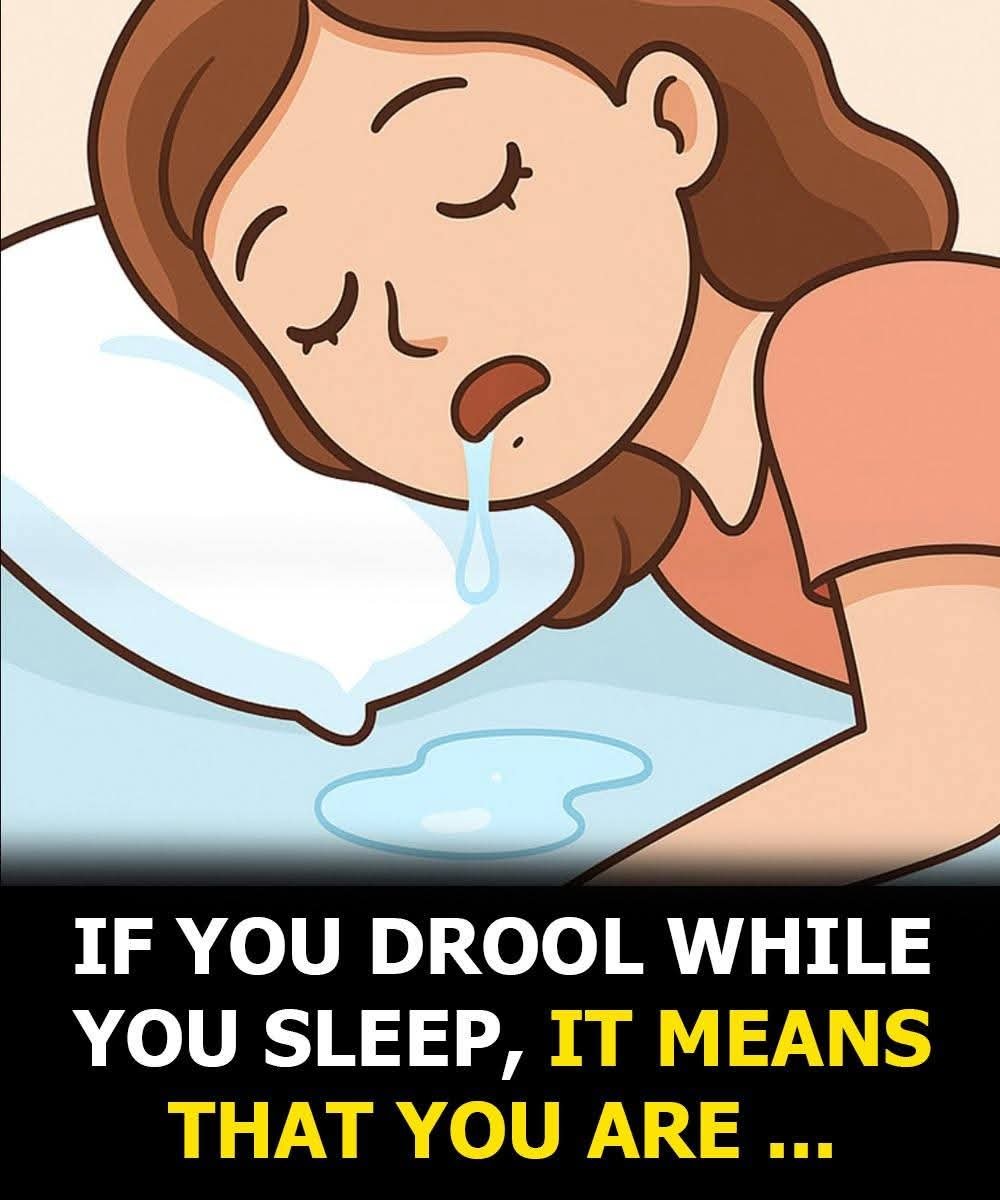
Drooling while you sleep: What you should know about this sleep habit
Drooling while you sleep may seem like a minor issue, but for many individuals, it can be an embarrassing and uncomfortable experience. Understanding the reasons behind this phenomenon, its potential health implications, and effective solutions can greatly improve your quality of sleep and overall well-being. In this article, we will explore the factors leading to drooling during sleep, possible medical conditions associated with it, and tips to reduce or eliminate this habit.
What Causes Drooling During Sleep?
1. Sleep Position
One of the most common reasons people drool while sleeping is their chosen sleep position. Sleeping on your side can increase the likelihood of drooling because gravity causes saliva to flow out of your mouth. If you frequently rotate between different sleeping positions, you may notice increased drooling when on your side compared to sleeping on your back.
2. Nasal Congestion
Individuals suffering from nasal congestion due to allergies or a cold may breathe through their mouths while sleeping. This mouth-breathing increases saliva production, which can lead to drooling during the night. When the nasal passages are blocked, the body’s natural response is to switch to mouth breathing, resulting in saliva collecting in the mouth.
3. Relaxed Muscles
During sleep, your body goes through several stages of deep relaxation, including the relaxation of facial muscles. This muscle relaxation may lead to a wider opening of the mouth, allowing saliva to escape. Those in a deep sleep, especially during REM sleep, are more likely to drool because their bodies are less responsive to stimuli.
4. Medication Side Effects
Certain medications can cause dry mouth or increased saliva production. Drugs belonging to categories such as antidepressants, antipsychotics, and antihistamines can lead to drooling as a side effect. If you suspect that your medication is contributing to this sleep habit, it’s essential to consult with your healthcare provider for possible alternatives.
5. Medical Conditions
In some cases, excessive drooling during sleep might indicate underlying health issues. Conditions such as gastroesophageal reflux disease (GERD), neurological disorders (e.g., Parkinson’s disease, cerebral palsy), or sleep disorders can be associated with increased saliva production or difficulty swallowing. If you notice a sudden increase in drooling or other unusual symptoms, it’s advisable to consult a healthcare professional.
Who is Most Affected by Drooling During Sleep?
Children
Children, especially infants and toddlers, commonly experience drooling while sleeping. This is often a normal part of their development, particularly during teething or if they are still developing the motor skills required for proper saliva control. However, most children outgrow this phase as they mature.
Adults
While drooling in children may be a common and temporary issue, adults can also experience it for various reasons. Stress, anxiety, and lifestyle choices, such as poor sleep hygiene and diet, can all contribute to excessive drooling during sleep. Adults may feel embarrassed about this habit, but it’s important to remember that it affects many people and can be treated.
How to Reduce Drooling While You Sleep
1. Change Sleep Positions
One of the simplest ways to reduce drooling during sleep is to modify your sleeping position. Try to sleep on your back rather than on your side. While this might take some adjustment, consider using pillows or positional devices that encourage you to maintain a back-sleeping position.
2. Treat Nasal Congestion
If nasal congestion is leading you to breathe through your mouth while you sleep, addressing underlying allergies or sinus issues can help. Consider using saline nasal sprays, decongestants, or allergy medications as recommended by a healthcare provider. Keeping your nasal passages clear can promote better airflow and reduce mouth breathing.
3. Maintain Good Oral Hygiene
Practicing good oral hygiene is essential to managing drooling. Brush your teeth regularly, floss daily, and consider using an antibacterial mouthwash. Keeping your mouth clean can help control excess saliva production and reduce foul odors that may accompany drooling.
4. Adjust Diet and Hydration
Certain foods and beverages can stimulate saliva production. Avoid consuming spicy, acidic, or overly salty foods right before bedtime. Additionally, ensure you maintain proper hydration throughout the day, but reduce liquid intake before sleeping to minimize saliva production during the night.
5. Consult a Healthcare Professional
If drooling persists despite trying lifestyle changes, consider speaking with a healthcare professional. A doctor may run tests to rule out any underlying conditions and discuss potential treatments. They might advise adjustments to your medication or recommend therapies that address any neurological or digestive issues at play.
Conclusion
Drooling while you sleep can be a bothersome habit, but understanding its causes and potential solutions can help mitigate the issue. By adjusting your sleeping position, managing nasal congestion, maintaining oral hygiene, and consulting a healthcare provider when needed, you can significantly reduce drooling during sleep. Remember, you are not alone, and with the right approach, you can enjoy a more restful and dignified night’s sleep. Prioritize your sleep hygiene and seek assistance to ensure your sleep habits positively contribute to your overall health and well-being.