
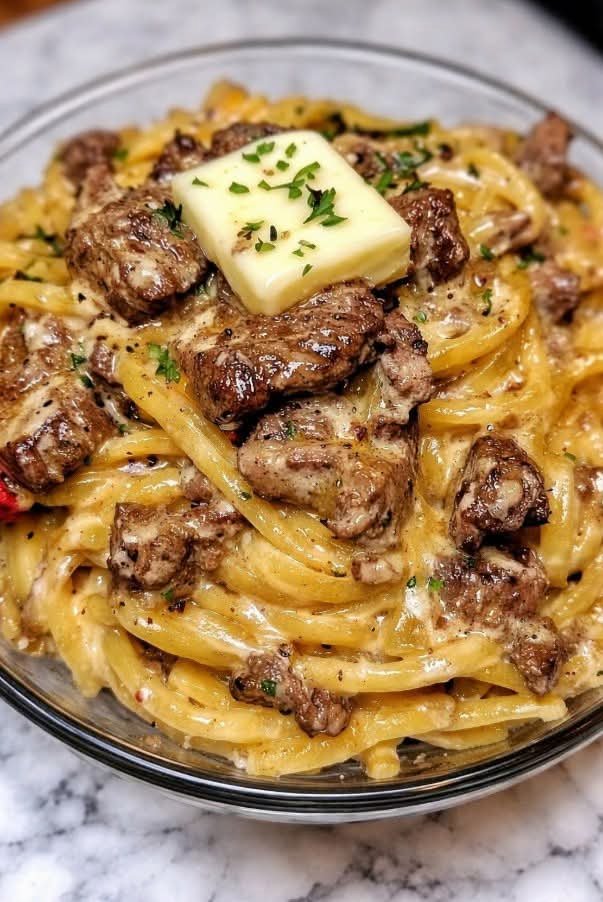
Creamy Garlic Steakhouse Linguine With Tender Steak Bites and Rich Parmesan Cream Sauce
There is something deeply satisfying about a plate of pasta that combines the comfort of a creamy sauce with the bold, savory character of a steakhouse dinner. This creamy garlic steakhouse linguine with tender steak bites and rich Parmesan cream sauce brings those two worlds together in one skillet. It is hearty enough for a weeknight family dinner, yet elegant enough to serve to guests on a special occasion. In this guide, you will learn how to choose the right cut of beef, build a silky garlic Parmesan cream sauce, cook linguine to the ideal texture, and finish the dish so every bite is balanced and flavorful.
Why This Dish Works So Well
Steak and pasta may seem like an unusual pairing, but the combination is naturally harmonious. The richness of the beef complements the creaminess of the sauce, while the sharp, nutty flavor of Parmesan cuts through the fat and keeps the dish from feeling heavy. Garlic ties everything together with its aromatic depth. Linguine is an excellent choice for this recipe because its long, flat shape holds cream sauce beautifully, letting each strand carry a generous coating of flavor.
This dish also delivers exceptional value for home cooks. Restaurant steakhouse dinners can cost a great deal, but you can recreate the experience at home using one pan, a handful of pantry staples, and a well-chosen cut of steak. With careful technique, you can achieve results that rival a professional kitchen.
Choosing the Best Steak for Steak Bites
The success of this recipe depends heavily on the quality and cut of the beef. For tender steak bites, look for cuts that offer both flavor and softness. Popular options include sirloin, ribeye, New York strip, and filet mignon. Ribeye is prized for its marbling, which renders into rich, juicy bites. New York strip offers a firm bite with robust beefy flavor, while filet mignon is the most tender option, though it comes at a premium price. Sirloin provides an excellent balance of flavor and affordability.
When shopping, choose steak with even thickness, ideally about one inch. Thinner pieces cook too quickly and can become tough, while very thick pieces may be difficult to cook through without overcooking the exterior. Ask your butcher to trim excess fat and silver skin, and cut the steak into bite-sized cubes of roughly three-quarters of an inch before cooking.
Preparing the Steak Bites
Proper seasoning and searing are essential for steak bites that are crisp on the outside and juicy within. Pat the cubes completely dry with paper towels, since moisture prevents browning. Season generously with kosher salt, freshly cracked black pepper, garlic powder, and a touch of smoked paprika if you enjoy a deeper flavor. Let the seasoned beef rest at room temperature for about fifteen minutes so it cooks more evenly.
Heat a large cast iron or stainless steel skillet over medium-high heat with a tablespoon of high smoke-point oil, such as avocado or canola oil. Once the oil shimmers, add the steak in a single layer, leaving space between pieces so they sear rather than steam. Cook for about two minutes per side until a golden crust forms. For medium-rare, remove the bites when they reach an internal temperature of about 130 degrees Fahrenheit, and for medium, about 140 degrees. Transfer the steak to a plate and tent loosely with foil to rest.
Some cooks finish the steak bites with a small knob of butter and a crushed garlic clove during the final minute of cooking, basting the beef for extra aroma. This simple step adds a restaurant-quality finish without much extra effort.
Cooking the Linguine Perfectly
Linguine is the ideal pasta for this dish, and cooking it correctly makes a significant difference. Bring a large pot of generously salted water to a rolling boil. A good guideline is about one tablespoon of salt per gallon of water. Add the linguine and cook until just shy of al dente, typically one to two minutes less than the package directions, since the pasta will continue to cook when tossed with the hot sauce.
Before draining, reserve about one cup of the starchy pasta water. This liquid is invaluable for adjusting the consistency of your cream sauce and helping it cling to the noodles. Drain the pasta and set it aside while you build the sauce.
Building the Garlic Parmesan Cream Sauce
The heart of this dish is the sauce, which should be luxuriously smooth, well seasoned, and clinging gently to each strand of pasta. Start by using the same skillet you used for the steak, leaving the browned bits behind for flavor. If the pan appears dry, add a tablespoon of butter. Lower the heat to medium and add four to six finely minced garlic cloves. Stir constantly for about thirty seconds to one minute, until fragrant but not browned, since burnt garlic turns bitter.
Pour in one cup of heavy cream and bring it to a gentle simmer. Let it reduce slightly for about three to four minutes, which concentrates the flavor and thickens the texture. Reduce the heat to low and gradually whisk in one cup of finely grated Parmesan cheese. Adding the cheese slowly prevents clumping and keeps the sauce silky. Season with a pinch of salt, black pepper, and a small amount of nutmeg or red pepper flakes if you enjoy subtle warmth. A splash of lemon juice can also brighten the richness, though this step is optional.
If the sauce seems too thick, loosen it with a few tablespoons of reserved pasta water. If it is too thin, allow it to simmer a few extra minutes. The ideal consistency coats the back of a spoon without feeling heavy.
Bringing the Dish Together
Add the drained linguine directly to the sauce and toss gently with tongs until every strand is evenly