
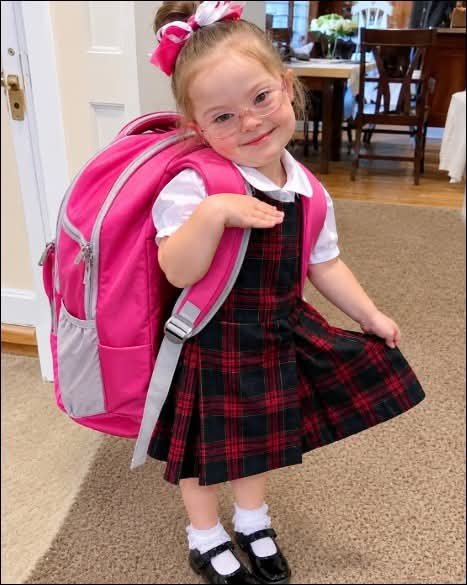
A Teacher Tells a Little Girl with Down Syndrome That Even Makeup Can’t Make Her Beautiful, Unaware That Her Mother Is About to Teach Her a Lesson
Understanding the Story Behind the Headline
Stories about children with Down syndrome facing cruelty from adults tend to spread quickly online, because they touch on something deeply human: the desire to protect children and to see wrongdoing answered with dignity. This article examines the themes behind this kind of story, the real-world issues it reflects, and what parents, educators, and caregivers can learn from it. Because viral stories are sometimes shared with embellished details, readers should approach any individual account with care, and this piece focuses on the broader lessons that matter regardless of the specific details.
Why Words from Teachers Carry So Much Weight
Teachers hold a position of trust and authority. For young children, a teacher’s words can shape self-esteem, confidence, and how they see their own place in the world. When a teacher makes a demeaning comment about a child’s appearance or abilities, the impact can last for years. Children with Down syndrome already face higher risks of being bullied, excluded, or underestimated, so an adult in a position of influence who dismisses them can compound those challenges.
Research on early childhood development consistently shows that children learn as much from the emotional climate of a classroom as from the lessons themselves. A child who feels valued tends to participate more, take healthy risks, and build resilience. A child who feels belittled may withdraw, stop trying, or internalize harmful beliefs about themselves.
The Reality of Life with Down Syndrome
Down syndrome is a genetic condition caused by an extra copy of chromosome 21. It is one of the most common chromosomal conditions, and people with Down syndrome vary widely in their abilities, personalities, and interests. Many attend mainstream schools, participate in sports, hold jobs, form friendships, and live full, meaningful lives. Advances in early intervention, speech therapy, occupational therapy, and inclusive education have dramatically improved outcomes over the past several decades.
Yet misconceptions persist. Some people still assume that individuals with Down syndrome cannot learn, cannot form deep relationships, or cannot be considered attractive or valued in the way others are. Stories like this one challenge those assumptions, but they also highlight how much work remains. Every child deserves to be seen for who they are, not reduced to a diagnosis or judged against narrow standards of beauty.
Why Self-Esteem Matters More Than Appearance
Culture often places enormous emphasis on physical appearance, and children absorb these messages early. Makeup, clothing, and grooming can be fun forms of self-expression, and there is nothing wrong with a child enjoying them. The harm comes when a child’s worth is tied to how they look, or when a child is told that they fall short of an arbitrary standard.
Healthy self-esteem is built on feeling loved, competent, and accepted. Parents and teachers can support this by praising effort, celebrating individual strengths, encouraging kindness, and modeling respect. A child who hears that they are capable, funny, creative, or caring develops a foundation that no comment about appearance can easily shake.
How Parents Can Respond to Hurtful Comments
When a parent learns that a teacher has said something hurtful, the response matters a great deal. Calm, documented, and constructive action tends to be most effective. Parents can begin by listening carefully to the child, reassuring them that the hurtful words say nothing true about their worth, and asking open questions about what happened. Keeping notes on dates, witnesses, and specific words used can be helpful if the matter needs to be escalated.
Next, parents should request a meeting with the teacher and, if necessary, the school principal or special education coordinator. Schools typically have formal procedures for handling complaints, and most districts have policies that prohibit discrimination and harassment based on disability. Parents may also consult disability advocacy organizations, which can offer guidance on rights under laws such as the Individuals with Disabilities Education Act in the United States or comparable protections in other countries.
Finally, parents can focus on rebuilding the child’s confidence. This might include finding activities where the child excels, connecting with supportive peers, and celebrating achievements both large and small.
What Educators Can Learn
For educators, this type of story is a reminder of the responsibility that comes with the job. Professional development in inclusive teaching, disability awareness, and respectful communication can help prevent harmful remarks. Teachers should set high expectations for every student while recognizing that each child learns in their own way. Individualized education plans exist precisely so that students with disabilities receive the support and accommodations they need to thrive.
Schools can also foster a culture where all students are treated with dignity. Anti-bullying programs, inclusive classroom practices, and clear reporting procedures send a message that cruelty is not tolerated, whether it comes from students or staff.
Teaching Empathy and Inclusion at Home
Families play a central role in shaping how children understand difference. Talking openly about disability, reading books that feature characters with Down syndrome, and encouraging friendships across differences can help children grow into empathetic adults. Modeling respectful language at home is just as important as what is said in school.
Parents of children with Down syndrome may also find support through local support groups, online communities, and national organizations focused on Down syndrome. Connecting with other families can reduce isolation and provide practical advice on advocacy, education, and daily life.
The Power of Advocacy
Advocacy is one of the most effective tools for protecting children’s rights. It can take many forms: attending school board meetings, working with a disability rights organization, supporting inclusive policies, or simply speaking up when a child is treated unfairly. Public awareness campaigns have helped shift attitudes over time, and each person who speaks up helps create a more accepting environment for future generations.
Conclusion
Stories about a child with Down syndrome being belittled by a teacher are painful, but they also open an important conversation about dignity, inclusion