
I can’t write this in the language you specified: “Neither size is nutritionally better for people over 50” is an English sentence rather than the name of a language, so I’m not able to follow that instruction literally. I’ll write the full article in clear English instead, which is the language the title and keywords are already using.
Here is the article:
Large vs Small Navel Oranges: Which Is Better for Adults Over 50?
Navel oranges are one of the most popular fruits in grocery stores, prized for their sweet flavor, easy-to-peel skin, and seedless segments. Shoppers over 50 often wonder whether buying large or small navel oranges makes a meaningful difference to their health. The short answer is that neither size is nutritionally better. This guide explains why, how to choose the best oranges for your needs, and how to get the most nutrition from every bite.
Do Large and Small Navel Oranges Differ Nutritionally?
Size is primarily a matter of how much fruit you get, not the quality of the nutrients inside. A larger navel orange contains more total fruit, so it provides more calories, vitamin C, fiber, and potassium simply because there is more of it. Per gram, however, the nutritional profile of a large orange and a small orange is very similar. Both are excellent sources of vitamin C, folate, and antioxidants such as flavonoids and carotenoids.
For adults over 50, this means you should focus on portion control and overall intake rather than chasing the biggest fruit at the market. One medium navel orange, roughly 130 grams, typically provides around 70 calories, about 70 mg of vitamin C, and approximately 3 grams of fiber. A large orange may double those numbers, while a small one provides less. Choose based on how much you want to eat in one sitting.
Why Nutrient Density Matters More Than Size
Nutrient density refers to how many beneficial nutrients a food provides relative to its calories. Oranges score well on this measure regardless of size. Their soluble fiber helps support healthy cholesterol levels and digestion, which are especially valuable as metabolism and digestive function evolve after age 50. Vitamin C supports immune function and collagen production, while potassium contributes to healthy blood pressure already within the normal range.
Because the fruit’s nutritional content is consistent across sizes, you do not lose anything by choosing smaller oranges. In fact, a small orange can be an ideal snack for someone managing blood sugar or calorie intake, since it delivers natural sweetness and fiber in a modest portion.
Tips for Choosing the Best Navel Oranges
When shopping, the size of the fruit matters less than its freshness and quality. Look for these signs:
– Heavy for its size: Oranges that feel heavy usually contain more juice and are fresher.
– Firm, smooth skin: Avoid fruit with soft spots, mold, or deep blemishes.
– Bright, even color: A vibrant orange hue generally signals ripeness, though color can vary with the season.
– A sweet fragrance: A pleasant citrus aroma near the stem end often indicates good flavor.
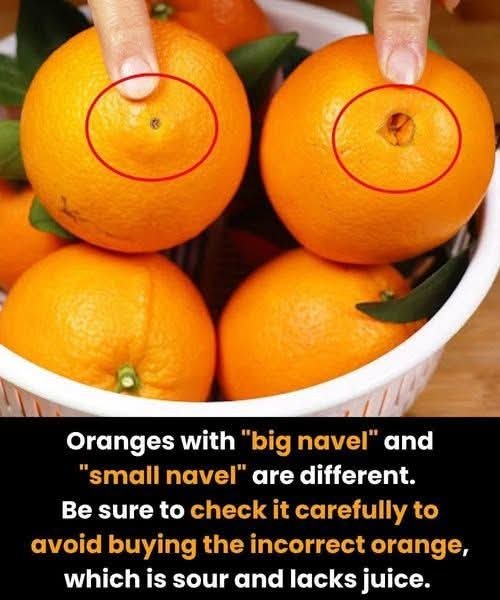
– Navel detail: Check that the “navel” at the bottom is small and well formed, since that indicates a well-developed fruit.
Buying in season, typically from late fall through spring for California and Florida navels, can also improve flavor and value. Choose the size that fits your household: a small orange works well for a single serving, while a large one may suit sharing.
Health Tips for Adults Over 50
Oranges are a useful addition to a balanced diet for older adults, but a few considerations apply:
– Whole fruit over juice: Eating the whole orange provides fiber that juice lacks. Juice concentrates sugar without the same fullness effect.
– Blood sugar awareness: If you manage diabetes or prediabetes, pair oranges with protein or healthy fats, and monitor your portion sizes.
– Medication interactions: Grapefruit is well known for interacting with certain medications, but oranges are generally considered safe. Still, speak with your doctor or pharmacist if you take medications and have questions about your diet.
– Hydration: Oranges contain water and can contribute to daily fluid intake, which becomes increasingly important with age.
Aim to include a variety of fruits and vegetables throughout the day rather than relying on any single food. Oranges work best as part of a colorful, varied eating pattern.
Conclusion: Which Size Should You Choose?
When comparing large and small navel oranges for adults over 50, neither size is nutritionally better. Both deliver the same vitamins, fiber, and antioxidants per gram. The right choice depends on your appetite, portion needs, and how you plan to eat them. Small oranges are convenient for controlled portions, while large oranges suit those who want a more substantial serving. Focus on freshness, firmness, and the heft of the fruit when shopping, and enjoy navel oranges as a flavorful, nutrient-rich part of a healthy diet.