
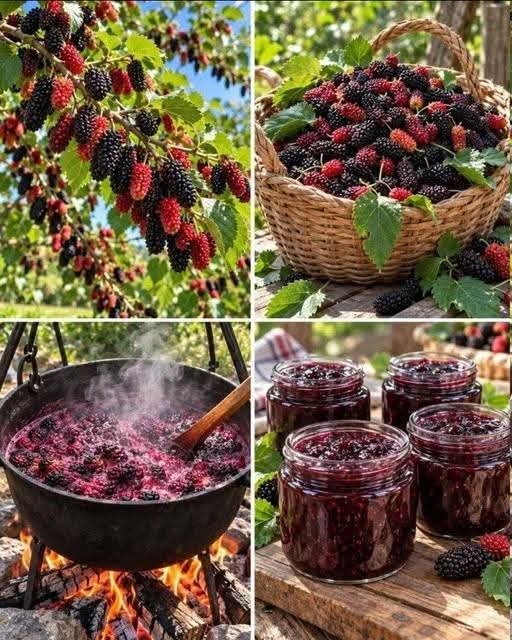
Mulberries Benefits: Nutrition, Health Benefits, and the Best Ways to Eat Them
Mulberries, often overshadowed by their more popular counterparts like strawberries and blueberries, are a hidden gem in the world of fruits. With their sweet-tart flavor, these small berries not only delight our taste buds but also pack an impressive nutritional punch. In this article, we will explore the incredible benefits of mulberries, their nutritional composition, health advantages, and the best ways to incorporate them into your diet.
Nutritional Profile of Mulberries
Mulberries are nutritional powerhouses that offer a wealth of vitamins, minerals, and antioxidants. Here’s a breakdown of the key nutrients found in mulberries:
1. Vitamins: Mulberries are rich in Vitamin C and K, essential for skin health, immune function, and blood clotting. They also contain B vitamins, including riboflavin, niacin, and Vitamin B6, which aid in energy production and brain function.
2. Minerals: These berries provide significant amounts of iron, potassium, calcium, and magnesium. Iron is crucial for oxygen transport in the blood, while potassium helps regulate body fluids and blood pressure.
3. Dietary Fiber: With high dietary fiber content, mulberries promote digestive health and help maintain a healthy weight by keeping you fuller for longer.
4. Antioxidants: Mulberries are loaded with antioxidants like resveratrol and anthocyanins, which help combat oxidative stress and inflammation in the body.
5. Low in Calories: With only about 60 calories per cup, mulberries are an excellent choice for those looking to enjoy a sweet treat without consuming too many calories.
Health Benefits of Mulberries
The health benefits of mulberries extend far beyond their delightful taste. Here are some of the most significant advantages:
1. Supports Immune Function
Thanks to their high Vitamin C content, mulberries can help bolster the immune system. Vitamin C is known to stimulate the production of white blood cells, which play a fundamental role in fighting off infections and keeping the body healthy.
2. Improves Blood Health
Mulberries contain iron, which is vital for the formation of hemoglobin in red blood cells. Consuming mulberries can help prevent anemia and improve overall blood health. Additionally, they support healthy circulation due to their ability to enhance blood flow.
3. Promotes Healthy Digestion
The dietary fiber found in mulberries aids in digestion by promoting regular bowel movements and preventing constipation. A fiber-rich diet contributes to a healthier gut and may reduce the risk of gastrointestinal disorders.
4. Regulates Blood Sugar Levels
Research suggests that mulberries may help regulate blood sugar levels, making them a suitable snack for individuals with diabetes. The presence of compounds that slow down sugar absorption into the bloodstream may help in managing blood glucose levels effectively.
5. Benefits Heart Health
The antioxidants in mulberries, particularly resveratrol, have been linked to reduced cholesterol levels and improved heart health. Regular consumption of mulberries may lower the risk of heart disease by maintaining healthy arteries and promoting proper circulation.
6. Enhances Skin Health
The antioxidant properties of mulberries contribute to healthier skin by protecting it from oxidative damage caused by free radicals. Additionally, Vitamin C in mulberries aids in collagen production, promoting skin elasticity and reducing signs of aging.
7. Supports Brain Health
Certain phytochemicals in mulberries, such as flavonoids, may have neuroprotective effects, potentially improving cognitive function and memory. Their consumption is linked to a reduced risk of neurodegenerative diseases.
Best Ways to Eat Mulberries
Incorporating mulberries into your meals can be both delicious and flexible. Here are some of the best ways to enjoy this nutrient-rich fruit:
1. Fresh as a Snack
One of the easiest ways to enjoy mulberries is to eat them fresh. Rinse them under cold water, and they are ready to eat. They’re an excellent snack on their own or tossed into a fruit salad for added flavor and texture.
2. Smoothies
Add mulberries to your favorite smoothie recipe. They blend well with bananas, spinach, yogurt, or other berries, creating a nutritious and refreshing drink.
3. Baking
Incorporate mulberries into baked goods like muffins, pancakes, or breads. Their sweetness can enhance the flavor profile of your treats while adding nutritional value.
4. Jam and Jellies
Homemade mulberry jam is a delightful way to preserve the fruit’s flavor. Combine mulberries with sugar and lemon juice, and cook until thickened for a tasty spread on toast.
5. Salads
Add fresh mulberries to salads for a sweet twist. They pair well with spinach, goat cheese, nuts, and a balsamic vinaigrette, creating a dish that’s visually appealing and delicious.
6. Sauces and Dips
Mulberries can be cooked down into sauces or used as a fruity condiment. They can complement savory dishes like grilled chicken or pork beautifully.
7. Freeze for Later
If you find yourself with an abundance of mulberries, consider freezing them. Spread them on a baking sheet to freeze individually before transferring them to airtight bags for later use in smoothies or desserts.
Conclusion
Mulberries may be small in size, but their health benefits are mighty. Rich in vitamins, minerals, and antioxidants, they support various aspects of health, including immune function, blood health, and digestive wellness. Whether enjoyed fresh, blended into smoothies, or incorporated into baked goods, mulberries are a deliciously versatile fruit that can enhance a balanced diet. With their relatively low calorie count and delightful flavor, there’s no reason not to include mulberries in your meals and snacks. Embrace this nutritious berry and reap the rewards of its various health benefits today!