
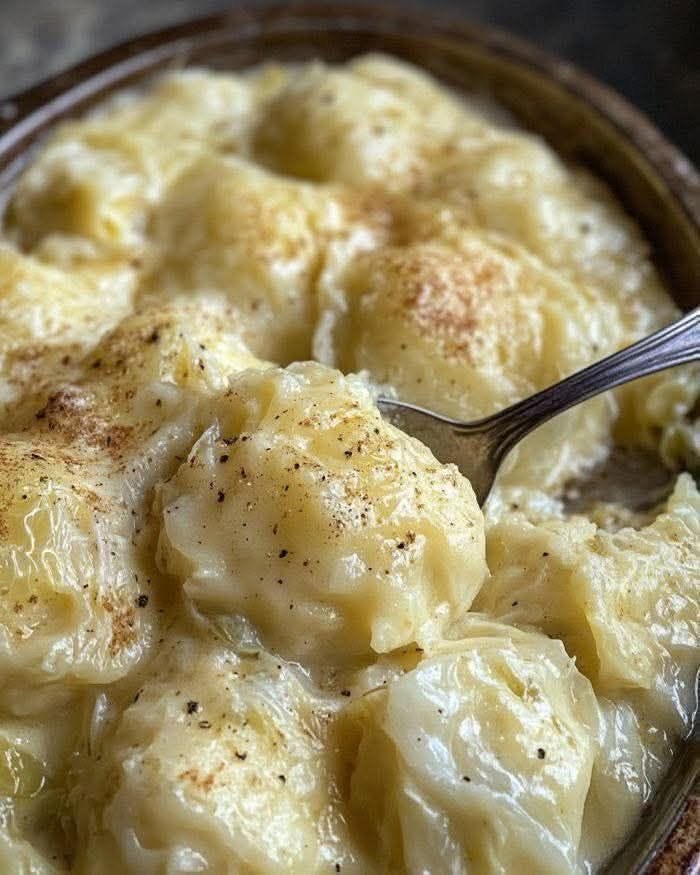
Scalloped Potatoes is a classic baked potato side dish that offers rich, creamy layers of thinly sliced potatoes enveloped in a flavorful cream sauce. This comforting dish has stood the test of time because it combines simplicity with indulgence, making it a favorite at holiday dinners, family gatherings, and special occasions. The tender potatoes, silky sauce, and golden top create a satisfying texture and flavor that appeals to both novice and experienced cooks.
This scalloped potatoes recipe serves 6 to 8 people and requires about 20 minutes of preparation and 1 hour and 15 minutes of baking time. Its straightforward method and reliable results make it a perfect choice whether you want to elevate a weeknight meal or impress guests. This dish pairs beautifully with a wide variety of proteins and vegetable sides, offering versatility and ease in one dish.
Why you’ll love this Scalloped Potatoes recipe
- It delivers creamy, tender potatoes with a perfectly baked golden top every time, giving a delightful contrast of textures.
- The recipe uses simple, everyday ingredients that are easily found in most kitchens, simplifying preparation.
- Layering the potatoes with warm cream sauce ensures the flavors fully penetrate each slice for maximum richness.
- The dish is highly versatile and pairs well with a wide variety of main courses from roasted meats to vegetarian options.
- It can be prepared ahead of time and reheated without losing its creamy texture, making it convenient for busy cooks.
Ingredients
- 2 1/2 lb Yukon Gold or russet potatoes, peeled
- 2 tbsp butter, plus more for the dish
- 1 small onion, very finely sliced
- 2 cloves garlic, minced
- 1 1/2 cups heavy cream
- 1 cup whole milk
- 1 1/2 tsp kosher salt
- 1/2 tsp black pepper
- 1/4 tsp ground nutmeg (optional)
This recipe relies on Yukon Gold or russet potatoes for their starchy texture and ability to hold shape during baking. Yukon Gold potatoes offer a naturally buttery flavor and creamy consistency that enhances the dish, while russets provide a fluffier texture that absorbs the cream sauce beautifully. Selecting fresh, high-quality butter and whole milk ensures a rich, luscious sauce. Finely slicing the onion and garlic allows them to meld subtly into the cream, adding aromatic depth without overpowering the potatoes. The optional nutmeg introduces a warm, slightly sweet note that complements the creamy sauce without being intrusive.
Instructions
- Preheat and prepare dish: Heat your oven to 375°F (190°C). Butter a medium baking dish generously to prevent sticking and add a subtle richness to the base of the dish.
- Slice potatoes: Peel and slice the potatoes thinly, about 1/8 inch thick, ensuring uniform thickness for even cooking and tender, consistent layers throughout.
- Make cream sauce: In a saucepan, melt 2 tablespoons of butter over medium heat. Add the finely sliced onion and cook for 3 to 4 minutes until softened but not browned, which releases sweetness without bitterness. Stir in the minced garlic for about 30 seconds to release its aroma without burning. Pour in the heavy cream and whole milk, then season with kosher salt, black pepper, and nutmeg if using. Warm the mixture gently, stirring occasionally, making sure it does not boil to prevent curdling and keep the sauce smooth.
- Layer potatoes and sauce: Arrange a layer of potato slices evenly in the buttered dish. Pour some of the warm cream mixture over this layer, pressing down gently to eliminate air pockets and help the liquid penetrate the potatoes. Repeat layering potatoes and cream sauce until all ingredients are used.
- Bake covered: Cover the dish tightly with foil to trap steam and bake for 45 minutes. This initial covered baking softens the potatoes thoroughly while keeping the sauce creamy.
- Bake uncovered: Remove the foil and continue baking for 25 to 35 minutes more, until the potatoes are tender and the top is lightly browned and bubbling, creating a beautiful golden crust.
- Rest before serving: Let the dish rest for 10 to 15 minutes after baking. This resting period allows the sauce to thicken and set, making it easier to serve and enhancing the overall texture.
Tips for the best results
- Use a sharp knife or mandoline for uniformly thin potato slices to ensure the potatoes cook evenly and develop tender layers without any undercooked or mushy spots.
- Do not boil the cream mixture; warming gently prevents the dairy from curdling and keeps the sauce smooth and velvety.
- Press layers gently but firmly to eliminate air pockets, which helps the cream sauce fully saturate the potatoes and results in a consistent texture.
- Cover the dish during the first baking phase to steam the potatoes evenly, then uncover to allow the top to brown and develop flavor and texture.
- Letting the dish rest after baking is essential for the sauce to thicken as it cools, which improves both serving ease and mouthfeel.
- If the cream mixture seems too thin after resting, return the dish briefly to the oven uncovered to reduce excess liquid and concentrate flavors without drying out the potatoes.
Variations and substitutions
- Swap Yukon Gold potatoes for red potatoes for a firmer texture and slightly different flavor profile, offering a unique twist on the classic.
- Use half-and-half instead of heavy cream and milk for a lighter sauce that still maintains creaminess but reduces fat content.
- Add shredded cheddar or Gruyère cheese between layers for a cheesy scalloped potato variation, introducing a rich, savory depth and a golden crust.
- Include fresh herbs like thyme or rosemary in the cream sauce to add aromatic complexity and a fragrant, earthy note.
- Mix in cooked bacon bits or caramelized onions to enhance the dish with smoky, savory flavors and added texture.
Serving suggestions
Scalloped Potatoes make an excellent side dish for roasted or grilled meats such as chicken, beef, ham, or pork, balancing rich proteins with creamy comfort. They also complement vegetable dishes like steamed green beans, roasted carrots, or sautéed mushrooms, adding a luscious textural contrast. For a festive meal, serve alongside a fresh garden salad or steamed asparagus to introduce brightness and freshness. The creamy texture and mild seasoning of scalloped potatoes provide a perfect counterpoint to bold, flavorful mains, making it a versatile addition to any menu.
Storage and reheating
Store leftover scalloped potatoes covered tightly in the refrigerator for up to 3 days to maintain moisture and freshness. To reheat, place the dish in a preheated oven at 350°F (175°C) for 20 to 30 minutes, covered with foil to prevent drying out and to warm evenly. For quicker reheating, microwave individual portions on medium power until warmed through, stirring halfway to distribute heat evenly. Avoid overheating as this can cause the sauce to separate and the potatoes to become tough, so gentle reheating preserves the creamy texture and tenderness.
Frequently asked questions
Can I prepare scalloped potatoes ahead of time?
Yes, scalloped potatoes can be assembled up to a day in advance. After layering the potatoes and cream sauce, cover the dish tightly and refrigerate. When ready to serve, bake as directed, adding a few extra minutes to the baking time if needed. This advance preparation is ideal for busy days or holiday meals, allowing you to focus on other dishes while still serving a fresh, hot side.
What’s the difference between scalloped potatoes and au gratin potatoes?
Scalloped potatoes are traditionally baked in a creamy sauce without cheese, resulting in a smooth, rich texture. Au gratin potatoes, on the other hand, include cheese—often layered between potatoes or sprinkled on top—which melts and browns to create a savory, crispy crust. The addition of cheese adds a pronounced sharpness and texture contrast that distinguishes au gratin from scalloped potatoes.
Can I use a different type of potato?
While Yukon Gold and russet potatoes are preferred for their texture and flavor, you can use other varieties like red potatoes or fingerlings. Red potatoes tend to be waxier and firmer, which can affect the creaminess and cooking time. Fingerlings are smaller and may require adjustment in slicing and layering. Experimenting with different potatoes can yield unique textures but may require careful monitoring during baking.
How thin should I slice the potatoes?
Potatoes should be sliced about 1/8 inch thick to ensure even cooking and tender layers. Thicker slices may not cook through evenly within the recommended baking time, leading to a less creamy texture and potentially crunchy centers. Using a mandoline slicer helps achieve consistent thickness, which is key for uniform doneness and the classic scalloped texture.
Is there a way to make this dish lighter?
To lighten scalloped potatoes, substitute half-and-half or whole milk for heavy cream, which reduces the fat content while maintaining creaminess. Using less butter or replacing some of it with olive oil can also decrease saturated fat. Additionally, increasing seasoning with herbs and spices can compensate for reduced richness, keeping the flavor balanced and satisfying.
Final thoughts
Scalloped Potatoes are a timeless comfort food that brings warmth and indulgence to any meal. This recipe, with its simple ingredients and clear steps, produces creamy, tender potatoes baked to golden perfection. Whether you’re preparing a holiday feast or a cozy family dinner, this dish is sure to become a reliable favorite. Try this recipe and enjoy the rich, satisfying flavors that make scalloped potatoes a beloved classic side dish.