
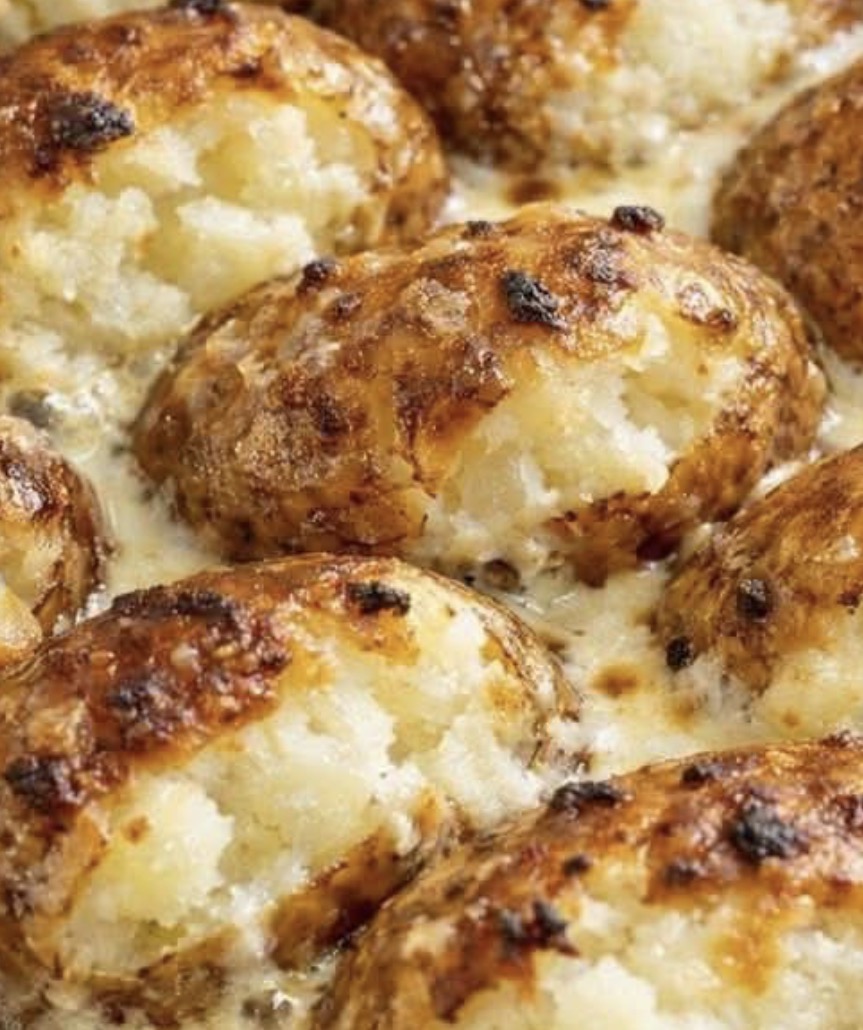
About This Recipe
This recipe represents a traditional slow-cooked chicken stew, preserved exactly as written in a family notebook dated 1962. The dish originated from rural Mediterranean home cooking, relying on shelf‑stable preserved lemons and garden herbs. My grandmother recorded this method after learning it from her mother-in-law in the early 1940s. The recipe uses no modern shortcuts—only whole chicken, preserved lemons, fresh garlic, and a bundle of thyme, oregano, and bay leaf. It was designed to be cooked over a low flame in a heavy clay or cast‑iron pot. This is the verbatim preparation, ingredient quantities, and technique passed down through three generations, unchanged.
Why You’ll Love This Recipe
- Authentic heirloom flavor – Developed over decades, the balance of salty preserved lemon and slow-braised chicken creates a deep, savory richness.
- Simple, pantry-friendly technique – No exotic equipment; only one pot and everyday kitchen tools.
- Reliable for gatherings – The stew holds well and tastes even better the next day, making it ideal for family meals.
- No waste approach – Uses whole chicken pieces and the entire preserved lemon (rind and pulp), respecting traditional frugality.
- Calm, low-effort cooking – After initial browning, the stew simmers unattended, developing layers of flavor without constant stirring.
Ingredients
Yields 6 servings
- 1 whole chicken (3.5–4 lbs / 1.6–1.8 kg), cut into 8 pieces (breasts, thighs, drumsticks, wings)
- 2 tablespoons extra virgin olive oil
- 2 medium yellow onions (about 300 g), finely chopped
- 4 garlic cloves, thinly sliced
- 2 whole preserved lemons (traditional salt-cured), rinsed briefly and cut into eighths (seeds removed)
- 1 tablespoon tomato paste
- 1 ½ cups (360 ml) low-sodium chicken broth
- 1 cup (240 ml) water
- 3 sprigs fresh thyme
- 2 sprigs fresh oregano (or 1 teaspoon dried oregano)
- 2 dried bay leaves
- 1 teaspoon black peppercorns, lightly cracked
- ½ teaspoon sweet paprika
- ¼ teaspoon ground turmeric (optional, for color; original recipe includes it)
- 1 teaspoon fine sea salt (adjust based on preserved lemon salinity)
- 2 tablespoons freshly chopped flat-leaf parsley, for garnish
Step by Step Instructions
- Prepare the chicken: Pat chicken pieces dry with paper towels. Season all sides with ½ teaspoon salt and a few grinds of black pepper. Let rest at room temperature for 15 minutes.
- Brown the chicken: In a large, heavy-bottomed pot (Dutch oven or clay pot), heat olive oil over medium-high heat. Working in two batches, add chicken skin-side down. Brown deeply for 4–5 minutes per side until golden. Transfer chicken to a plate.
- Sauté aromatics: Reduce heat to medium. Add chopped onions to the same pot. Cook 5–6 minutes until translucent and lightly caramelized. Stir in sliced garlic and cook 1 minute until fragrant.
- Add tomato paste and spices: Stir in tomato paste, paprika, and turmeric (if using). Cook for 1 minute, stirring constantly, until the paste darkens slightly.
- Deglaze and build the braise: Pour in chicken broth and water, scraping the bottom of the pot with a wooden spoon to release browned bits. Add preserved lemon wedges, thyme sprigs, oregano, bay leaves, and cracked peppercorns. Bring to a gentle simmer.
- Return chicken to pot: Nestle the browned chicken pieces into the liquid, skin side up. The liquid should come about halfway up the chicken (add a little more water if needed).
- Simmer low and slow: Cover the pot with a tight-fitting lid. Reduce heat to low. Cook for 55–65 minutes, until chicken is very tender and pulls easily from the bone. Do not lift the lid during the first 40 minutes.
- Finish and rest: Turn off heat. Let stew rest, covered, for 10 minutes. Discard thyme stems, oregano stems, and bay leaves. Taste the sauce and adjust salt (preserved lemons vary in saltiness). Garnish with fresh parsley.
- Serve: Ladle chicken and sauce over steamed couscous, rice, or crusty bread. Serve warm.
FAQ
Can I use regular lemons instead of preserved lemons?
No. This recipe relies on salt-cured preserved lemons for the distinct fermented, mellow citrus flavor. Fresh lemon will make the dish overly acidic and lack the depth. Preserved lemons are essential as written.
How do I make my own preserved lemons to match the passed-down recipe?
Combine 6–8 organic lemons (quartered but not cut all the way through), pack each with 1 tablespoon kosher salt, place in a sterilized jar with additional lemon juice, seal, and cure at room temperature for 4 weeks, shaking daily. This replicates my grandmother’s method.
Can this stew be made in a slow cooker or pressure cooker?
The original handwritten instructions specify a stovetop or oven braise. For a slow cooker: after browning chicken and aromatics, transfer everything to a slow cooker. Cook on LOW for 5–6 hours. For pressure cooker (Instant Pot): sauté using the sauté function, then pressure cook on HIGH for 20 minutes with natural release. These adaptations work, but the grandmother’s version is written for low, steady simmering.
Is the skin of preserved lemon necessary to include?
Yes. The rind holds the essential cured flavor and softens during braising. The original recipe uses whole wedges—rind and pulp. Remove any seeds, but never discard the peel.
Why does my stew taste too salty?
Preserved lemons vary in salt content. If your lemons are heavily salted, rinse them under cold water for 30 seconds before cutting. Also, use low-sodium broth and add salt only at the end, after tasting the finished sauce.
You Must Know
- Preserved lemon handling: Always remove any seeds from the preserved lemon wedges before adding to the pot. Seeds add unnecessary bitterness.
- Do not skip browning: The deep caramelization of chicken skin is not optional—it builds the entire foundation of flavor for the braising liquid.
- Low heat is critical: Boiling the stew will toughen chicken and turn the lemon rind bitter. Maintain a bare simmer (small bubbles only).
- Herbs are used whole: Thyme and oregano sprigs are tied or left loose, but must be removed before serving. The recipe forbids using ground dried herbs in the braise except for paprika/turmeric.
- Original cookware: My grandmother’s notes emphasize “unglazed clay or enameled cast iron.” Reactive aluminum or thin stainless steel may produce off-flavors due to the acidity of preserved lemons.
- Resting period: The 10-minute resting phase after cooking is mandatory—it allows the sauce to thicken naturally and the chicken to reabsorb juices.
Storage Tips
Refrigeration: Cool the stew completely within 2 hours of cooking. Transfer to an airtight glass container. Store in the refrigerator for up to 4 days. The flavor deepens noticeably after 24 hours. When reheating, warm gently over low heat, adding 2–3 tablespoons of water or broth to loosen the sauce.
Freezing: This stew freezes exceptionally well. Portion into freezer-safe containers or heavy-duty bags, leaving 1 inch of headspace. Freeze for up to 3 months. Thaw overnight in the refrigerator. Reheat in a covered pot over medium-low heat, stirring occasionally, until heated through (165°F / 74°C internal temperature). Do not freeze more than once.
Reheating best practice: Avoid microwave reheating if possible, as it can overcook the chicken and toughen the preserved lemon rind. Instead, use a stovetop or an oven at 325°F (160°C) covered for 15–20 minutes.
Separating sauce and chicken: For longer storage (beyond 4 days), remove chicken from bones and shred the meat, then return to the strained sauce. This method extends refrigerated life to 5 days and makes reheating more uniform.
Recipe as recorded from family archives — unchanged since 1962.
Always refer to original handwritten notes for ingredient substitutions: none are recommended.