
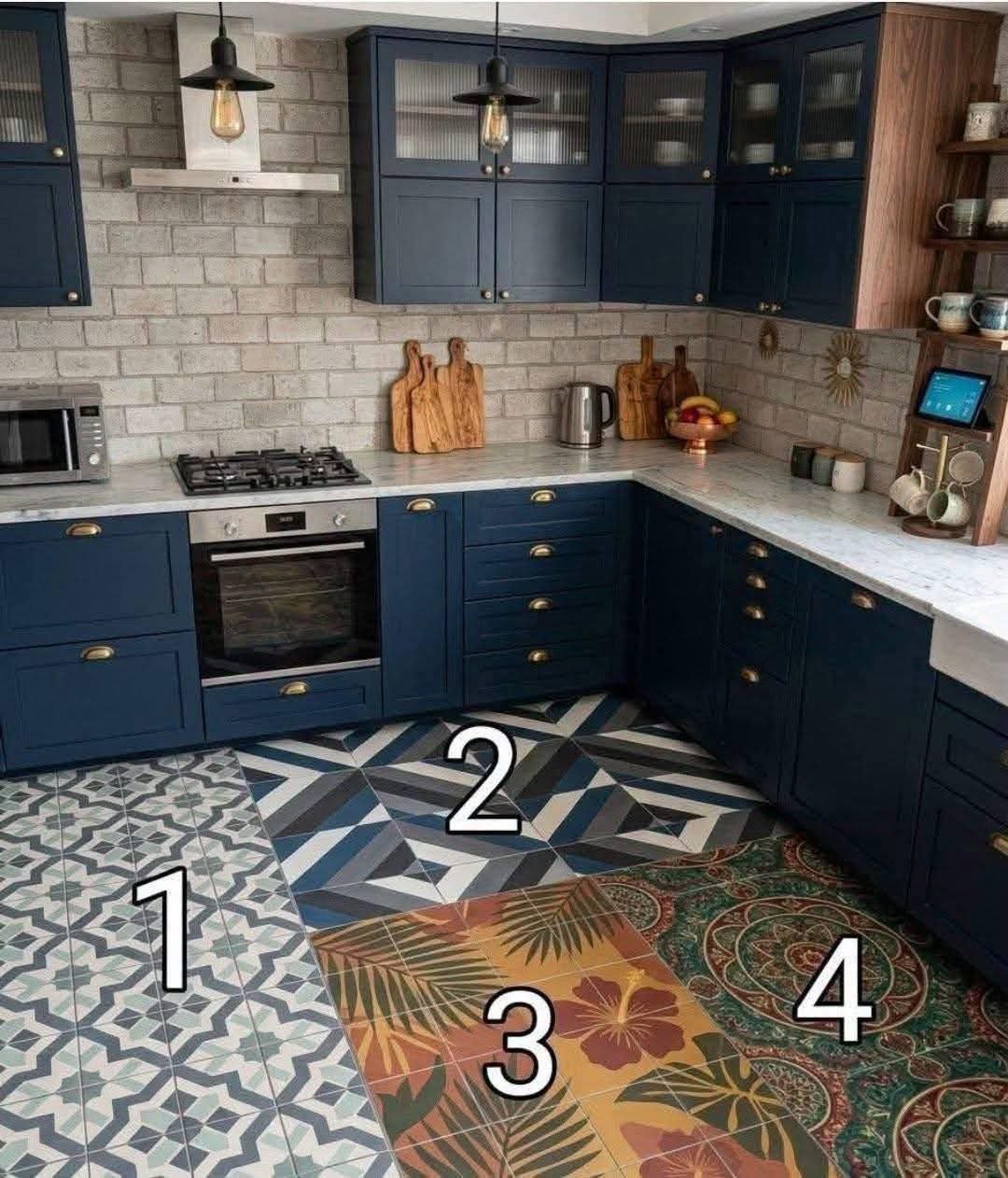
Which Kitchen Floor Tiles Should You Choose? 4 Beautiful Designs Compared
Choosing the right kitchen floor tiles is one of the most important decisions you will make during a kitchen renovation or new build. The kitchen is a high-traffic, high-spill zone that demands flooring that is durable, easy to clean, comfortable underfoot, and attractive enough to complement your cabinets, countertops, and overall home style. With so many options on the market, from classic ceramic to luxurious natural stone, it can be difficult to know where to start.
In this guide, we compare four beautiful and popular kitchen floor tile designs: porcelain wood-look tile, classic ceramic subway-pattern tile, natural stone slate-look tile, and large-format polished porcelain. For each, we look at appearance, durability, maintenance, cost, and best-fit scenarios so you can make a confident, informed choice for your home.
Key Factors to Consider Before You Buy
Before comparing specific designs, it helps to understand the criteria that matter most in a kitchen. Durability is essential, since kitchen floors endure dropped pans, heavy appliances, pet claws, and daily foot traffic. Water and stain resistance matter because spills are inevitable near the sink, dishwasher, and refrigerator. Slip resistance is another critical factor, especially for households with children or elderly residents, and it is typically measured by a coefficient of friction (COF) rating. Comfort, maintenance requirements, and budget also play a major role in determining the best option for your space.
Keep in mind that the total cost of kitchen flooring includes not only the tile itself but also installation, underlayment, grout, sealers, and removal of the old floor if needed. Working with a qualified installer and requesting several quotes can help you compare realistic project costs.
Design 1: Porcelain Wood-Look Tile
Porcelain wood-look tile has become one of the most sought-after kitchen floor choices in recent years. These tiles replicate the warm grain, knots, and color variation of hardwood planks such as oak, walnut, and hickory, but they offer far greater resistance to water, scratches, and wear. Because they are made from fired clay under high pressure, porcelain tiles are dense, low in porosity, and highly stain resistant.
The main advantage of wood-look porcelain is that it delivers the warmth of timber without the worry of water damage or refinishing. It is an excellent option for open-plan kitchens that flow into living areas, since the continuous wood aesthetic creates a cohesive, inviting look. Modern printing technology has made these tiles remarkably realistic, with embossed textures that add tactile authenticity.
Maintenance is straightforward: regular sweeping and occasional damp mopping with a pH-neutral cleaner is generally sufficient. Grout lines should be kept clean and sealed if using cementitious grout. Cost typically ranges from moderate to upper-mid, depending on brand and finish. For homeowners who love the look of hardwood but need a practical, long-lasting surface, wood-look porcelain is an outstanding choice.
Design 2: Classic Ceramic Subway-Pattern Tile
Ceramic subway tile, often laid in a rectangular brick pattern, offers timeless charm that suits farmhouse, traditional, and transitional kitchens alike. Ceramic is generally more affordable than porcelain and comes in a wide range of colors, from crisp white and soft cream to deep charcoal and muted sage. The glazed surface provides a smooth, easy-to-clean finish that resists everyday spills when properly sealed at the grout lines.
Subway patterns create visual interest and can make a small kitchen feel larger by drawing the eye along the lines of the layout. Pairing the tiles with contrasting grout, such as dark grout on white tiles, adds a modern graphic punch, while matching grout offers a softer, more seamless appearance.
From a practical standpoint, ceramic tile is easy to install and easy to replace individual tiles if they chip or crack. However, glazed ceramic can be slippery when wet, so choose a textured or matte finish with an appropriate slip-resistance rating for kitchen use. Hardness is somewhat lower than porcelain, so it may show more wear in very high-traffic areas over time. Overall, ceramic subway tile offers excellent value and classic style for budget-conscious renovations.
Design 3: Natural Stone Slate-Look Tile
Slate-look tile, whether made from genuine natural stone or high-quality porcelain replicas, brings rustic, organic character to a kitchen. Slate is prized for its layered texture, earthy color palette of gray, green, and charcoal, and naturally irregular surface that feels grounded and authentic. Natural slate is a dense, durable stone, but it requires attention to sealing and maintenance.
Genuine natural stone flooring is a premium choice that can add significant value and uniqueness to a home. Each tile is distinct, with variations in color and pattern that cannot be replicated exactly. The trade-off is that natural stone is more porous than porcelain, so it should be sealed upon installation and resealed periodically, typically every one to three years depending on use, to prevent staining from oils, wine, and acidic foods such as lemon juice or vinegar.
Porcelain slate-look tiles offer a lower-maintenance alternative that mimics the textured, multi-tonal appearance of natural slate without the sealing requirements. These are often the better choice for busy households or homeowners who want the aesthetic without the upkeep. In both cases, slate’s natural texture provides good slip resistance, making it a strong option for kitchens where safety is a priority.
Design 4: Large-Format Polished Porcelain
Large-format polished porcelain tiles, often measuring 24 by 48 inches or larger, are a contemporary favorite for sleek, modern kitchens. The oversized tiles minimize grout lines, creating a clean, expansive, almost seamless surface that can make