
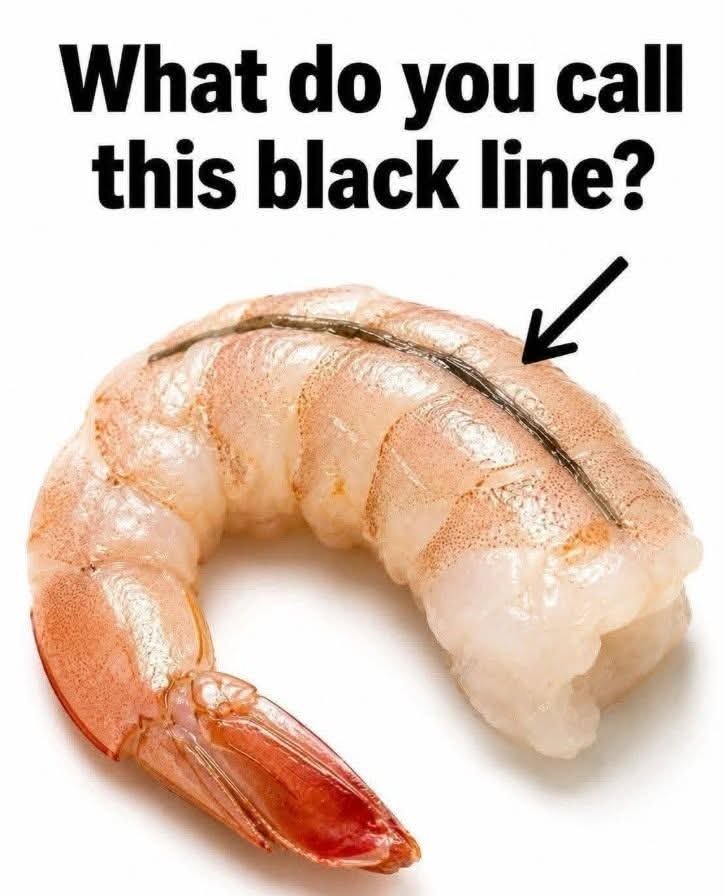
Do You Really Need to Remove the Dark Line From Shrimp? Here’s Why It Matters
If you’ve ever prepared shrimp at home or ordered it at a seafood restaurant, you have probably noticed a dark, thread-like line running along the curved back of each shrimp. Many home cooks wonder whether this line needs to be removed, whether it is harmful, and whether skipping this step affects flavor or texture. The short answer is that the dark line is generally not dangerous, but it can influence the eating experience. This guide explains what the line actually is, when deveining is worth the effort, and how to prepare shrimp for the best results in your kitchen.
What Is the Dark Line in Shrimp?
The dark line is the shrimp’s digestive tract, often called the intestinal vein. It runs along the back of the shrimp from the head toward the tail. Its color depends on what the shrimp has been eating. In wild-caught shrimp, the line may appear dark gray, greenish, or black because it contains partially digested food and waste. Farm-raised shrimp often have a lighter or sometimes barely visible line because they are fed controlled diets and may be purged before harvest.
Understanding the anatomy of shrimp helps explain why the line exists and why cooks sometimes remove it. The vein is essentially a waste channel, not a blood vessel or a dangerous organ. Shrimp do not have a true intestinal system designed to store toxins in the way some fish do, so the line is not a major health concern for most people.
Is the Dark Line Harmful to Eat?
For the majority of healthy adults, eating shrimp with the dark line intact is not harmful. The vein contains digestive residue, and in some cases it may contain grit or sand if the shrimp was harvested from sediment-rich water. Consuming this material typically causes no serious problems. Food safety guidance generally treats the vein as a matter of cleanliness and quality rather than a health hazard.
That said, there are reasons to be more careful. If shrimp is not fresh, the digestive tract can harbor bacteria that multiply after harvest, so the quality of the shrimp matters more than the vein itself. People with certain sensitivities or those who prefer very clean presentation may choose to remove it. Anyone with concerns about seafood safety, pregnancy, or a compromised immune system should consult a healthcare professional and follow local food safety recommendations.
Does Deveining Affect Taste and Texture?
Many cooks report that the dark line can add a slightly gritty texture or a faintly bitter, muddy flavor, particularly in larger shrimp. Because the vein sits close to the surface, it can be noticeable when you bite into the shrimp. Removing it often results in a cleaner taste and smoother bite, which is why many professional chefs deveing shrimp before cooking.
However, the difference is not always dramatic. Small shrimp often have veins that are so tiny they barely affect the eating experience. Cooking method also plays a role. Grilling, sautéing, or frying can mask subtle flavors, while delicate preparations such as shrimp cocktail or ceviche may reveal them more clearly. In general, deveining is most worthwhile for large shrimp, visible dark veins, and dishes where presentation and texture matter.
When Should You Remove the Dark Line?
There is no single rule that applies to every situation, but several guidelines can help. Deveining is generally recommended when shrimp are large and the vein is dark and prominent, when you are serving shrimp whole and visible on a plate, when the shrimp came from water with sediment concerns, or when you want the most refined texture for special occasions.
You may skip deveining when shrimp are very small, when the vein is faint or nearly invisible, when you are short on time, or when you are preparing shrimp in a heavily seasoned dish where the vein will be hard to notice. Many home cooks find that a quick cut along the back of each shrimp is a reasonable compromise between efficiency and quality.
How to Devein Shrimp Easily
Deveining shrimp is simple and requires only a small paring knife or a specialized deveining tool. Start by peeling the shrimp if you have not already done so. Then make a shallow cut along the back, just deep enough to expose the vein. Lift the vein with the tip of the knife or your fingers and pull it out, rinsing the shrimp under cold water to remove any remaining residue.
Buying pre-deveined shrimp can save time, although these products often cost more per pound. Some grocery stores also sell shrimp that are butterflied, which means they are split down the back and the vein is removed in the process. When shopping, look for shrimp that smell fresh, have firm flesh, and are kept properly chilled. Frozen shrimp is often an excellent choice because it is typically processed quickly after harvest and can be thawed as needed.
Tips for Buying and Cooking Shrimp Safely
Selecting quality shrimp matters as much as deveining. Fresh shrimp should have a mild, clean scent of the sea, not a strong fishy or ammonia-like odor. Shells should be translucent and free of black spots, although some natural coloration is normal. If buying frozen shrimp, check the packaging for ice crystals or freezer burn, which can affect texture.
Cook shrimp thoroughly until the flesh turns opaque and firm, usually within a few minutes depending on size and method. Overcooking makes shrimp rubbery, so watch carefully. Store raw shrimp in the refrigerator at a safe temperature and use it within a day or two, or freeze it for longer storage. Proper handling reduces the risk of foodborne illness and keeps the flavor at its best.
Common Myths About Shrimp Veins
Several myths persist about the dark line. One common belief is that the vein is full of poison, which is not accurate for the typical shrimp consumed in homes and restaurants. Another misconception is that shrimp with a visible vein are spoiled, but the presence of the line alone does not indicate spoilage. Spoilage is better judged by smell, texture, and storage history