
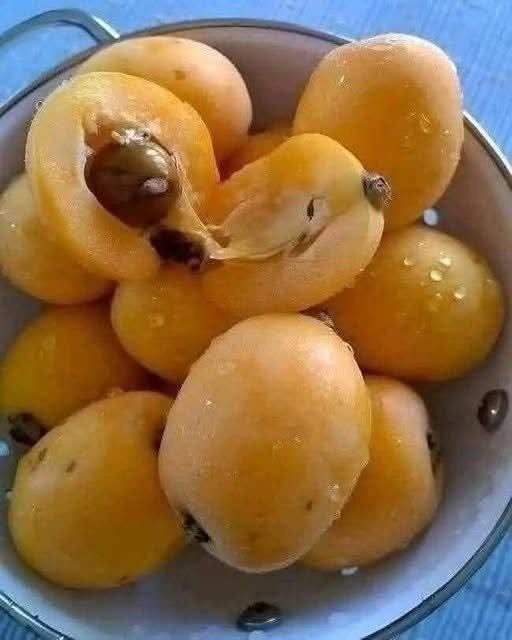
Traditional Apricot (Mishmish) Jam
Apricot jam is one of the most beloved preserves in kitchens across the Middle East, the Caucasus, and the Mediterranean. Among its many variations, the traditional apricot jam known as mishmish is treasured for its bright flavor, golden color, and naturally rich texture. Made with ripe apricots, sugar, and a touch of patience, this homemade preserve brings a taste of heritage to breakfast tables, desserts, and gift baskets alike. In this guide, you will learn what makes mishmish special, how to choose the best fruit, a step-by-step method for making it at home, and tips for storing and serving your jam.
What Is Mishmish Apricot Jam?
Mishmish is the name commonly used for apricots, and mishmish jam refers to a traditional preserve made primarily from apricots cooked slowly with sugar until thick and glossy. Unlike many commercial jams that rely heavily on pectin and artificial flavorings, the classic version depends on the natural pectin in the fruit, the acidity of fresh apricots, and careful cooking. The result is a jam with a pure, vibrant apricot flavor and a spreadable consistency that pairs beautifully with fresh bread, yogurt, and pastries.
Families often prepared mishmish jam in late spring and early summer, when apricots were at their peak. The jam was made in large batches so it could last through the winter months, becoming a staple of pantry shelves and a symbol of homemade hospitality. Today, many home cooks continue this tradition, seeking authentic flavors that store-bought products rarely match.
Why Homemade Apricot Jam Is Worth the Effort
Making your own apricot jam offers several advantages over buying it from the supermarket. First, you control the ingredients, which means no preservatives, artificial colors, or excessive sweeteners. Second, homemade jam often has a fresher, more intense fruit flavor because it is cooked in small batches using ripe fruit. Third, preserving seasonal apricots is an economical way to enjoy high-quality fruit year-round.
Homemade mishmish jam also makes an excellent gift. A jar with a hand-written label and a simple ribbon is a thoughtful present for holidays, housewarmings, and teacher appreciation. For those interested in artisanal food, small-batch preserves also represent a growing market, and mastering the recipe can open doors to farmers market sales or specialty food shops.
Choosing the Best Apricots
The quality of your jam depends almost entirely on the fruit. Look for apricots that are fully ripe but still firm, with a deep orange or golden color and a sweet, fragrant aroma. Avoid fruit that is green, mealy, or heavily bruised, since underripe apricots lack sweetness and overripe ones can turn mushy and ferment during cooking.
Varieties matter as well. Many traditional recipes call for small, intensely flavored apricots, often sourced from local orchards. If you are shopping at a grocery store, choose the most aromatic fruit available and avoid those that smell bland. Organic apricots are a good option if you plan to eat the jam regularly, though conventional fruit works well if it is fresh and ripe.
Ingredients for Traditional Apricot Jam
A classic mishmish jam requires only a few simple ingredients. You will need about 2 kilograms or roughly 4.5 pounds of ripe apricots, around 1 kilogram or 2.2 pounds of granulated sugar, and the juice of one to two lemons to brighten the flavor and support natural setting. Some families add a small splash of water at the start to prevent scorching, and others include a vanilla bean or a few crushed apricot kernels for an almond-like depth, though kernels should be used with care and in moderation.
Equipment and Preparation
Before you begin, gather a heavy-bottomed preserving pan or large stainless steel pot, a wooden spoon, a ladle, a funnel, a kitchen scale, and sterilized glass jars with new lids. Wash the jars and lids in hot soapy water, rinse them thoroughly, and sterilize them by boiling for ten minutes or running them through a dishwasher cycle on high heat. Keep them warm until you are ready to fill them, since hot jam poured into cold glass can crack the jar.
Step-by-Step Method
Begin by washing the apricots gently under cool water. Cut each fruit in half, remove the pits, and chop the flesh into small pieces. Place the chopped apricots in your pan with the lemon juice and sugar, stirring well so the sugar begins to draw out moisture. Let the mixture rest for one to two hours, or overnight in the refrigerator, to allow the fruit to macerate.
Next, place the pan over medium heat and stir slowly until the sugar dissolves completely. Increase the heat to bring the mixture to a gentle boil, then reduce it to a steady simmer. Cook the jam uncovered, stirring frequently to prevent sticking. Skim off any foam that rises to the surface, as this helps the jam look clear and glossy.
Cooking time typically ranges from 25 to 40 minutes, depending on the juiciness of the fruit and the width of your pan. To test for doneness, place a small plate in the freezer before you start. Spoon a little jam onto the cold plate and let it sit for a minute. If it wrinkles when you push it with your finger, the jam has reached its setting point. If it remains runny, continue cooking and test again every few minutes.
Once the jam is ready, remove it from the heat and let it cool slightly for a few minutes. Ladle the hot jam into the warm sterilized jars using a funnel, leaving about half a centimeter of headspace at the top. Wipe the rims clean, seal the jars with the lids, and turn them upside down for five minutes before returning them upright. As they cool, you should hear a satisfying pop as the lids seal.
Storing and Preserving Your Jam
Properly sealed jars of apric