
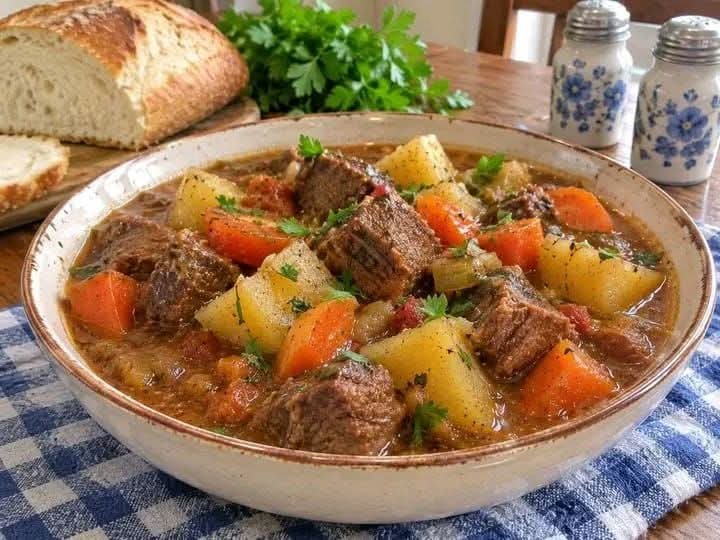
Classic Beef Stew Recipe Easy and Hearty
There is something deeply comforting about a pot of slow-simmered beef stew. The aroma of tender meat, earthy root vegetables, and rich gravy fills the kitchen and signals that dinner is going to be satisfying. This classic beef stew recipe is easy enough for a weeknight, yet hearty enough to serve as the centerpiece of a Sunday family meal. Whether you are looking for the best beef stew recipe for a cold winter evening or a make-ahead dinner for a crowd, this guide walks you through every step.
Why This Beef Stew Recipe Works
Beef stew has been a staple of home cooking for generations because it transforms inexpensive, tough cuts of meat into something melt-in-your-mouth tender. Chuck roast is the ideal choice. It is rich in connective tissue and marbling, which break down during long, gentle cooking and enrich the broth naturally.
This recipe balances simplicity with depth of flavor. You will brown the beef to build a savory crust, deglaze the pot with red wine or broth to capture those flavorful browned bits, and let everything simmer until the sauce thickens into a velvety gravy. The result is a one-pot meal that requires minimal cleanup and delivers restaurant-quality comfort food.
Ingredients You Will Need
For a generous pot serving six to eight people, gather the following:
– 2 pounds beef chuck roast, cut into 1.5-inch cubes
– Salt and freshly ground black pepper
– 2 tablespoons all-purpose flour
– 3 tablespoons olive oil or vegetable oil
– 1 large yellow onion, diced
– 4 cloves garlic, minced
– 3 medium carrots, peeled and cut into thick rounds
– 3 stalks celery, sliced
– 1 pound baby potatoes, halved or quartered
– 2 tablespoons tomato paste
– 1 cup dry red wine (optional, may substitute with extra beef broth)
– 4 cups low-sodium beef broth
– 2 bay leaves
– 1 teaspoon dried thyme
– 1 teaspoon dried rosemary
– 1 tablespoon Worcestershire sauce
– 1 cup frozen peas (added at the end)
– Fresh parsley for garnish
Step-by-Step Instructions
Step 1: Prepare the Beef
Pat the beef cubes completely dry with paper towels. This is essential for achieving a good sear. Season generously with salt and pepper, then toss the cubes in the flour until lightly coated. The flour helps create a golden crust and will later thicken the stew.
Step 2: Brown the Meat
Heat the oil in a large Dutch oven or heavy-bottomed pot over medium-high heat. Working in batches so the pan is not overcrowded, add the beef and cook until deeply browned on all sides, about 3 to 4 minutes per side. Transfer the browned meat to a plate. Browning is where much of the flavor comes from, so take your time.
Step 3: Sauté the Aromatics
Reduce the heat to medium and add the diced onion, carrots, and celery to the pot. Cook for 5 to 7 minutes, stirring occasionally, until the vegetables begin to soften. Add the garlic and tomato paste and stir constantly for about one minute until fragrant and slightly darkened.
Step 4: Deglaze the Pot
Pour in the red wine, scraping the bottom of the pot with a wooden spoon to lift the browned bits. Let the wine simmer for two to three minutes until it reduces slightly. If you are skipping the wine, use a splash of the beef broth instead.
Step 5: Build the Stew
Return the beef and any accumulated juices to the pot. Add the beef broth, Worcestershire sauce, bay leaves, thyme, and rosemary. Bring the mixture to a boil, then reduce the heat to low, cover, and simmer gently for about 1.5 hours. Check occasionally and stir to prevent sticking.
Step 6: Add the Potatoes
After the beef has simmered for 1.5 hours, add the potatoes to the pot. Cover and continue simmering for 30 to 40 minutes, or until the potatoes are fork-tender and the beef is very soft.
Step 7: Finish and Serve
Remove the bay leaves. Stir in the frozen peas and let them heat through for two minutes. Taste the stew and adjust the seasoning with additional salt and pepper as needed. If the gravy is thinner than you like, simmer uncovered for a few more minutes to reduce it. Ladle into warm bowls and garnish with fresh parsley.
Tips for the Best Beef Stew
Choose the right cut. Chuck roast is the gold standard for stew. Avoid lean cuts like sirloin, which can turn dry and chewy during long cooking.
Do not rush the browning. A well-browned crust builds deep, savory flavor that cannot be replicated by simply boiling the meat.
Use a heavy pot. A Dutch oven distributes heat evenly and maintains a steady simmer, reducing the risk of scorching.
Let it rest. Beef stew tastes even better the next day. Refrigerate leftovers overnight and reheat gently on the stove for an even richer flavor.
Adjust the thickness. For a thicker gravy, mash a few potato pieces against the side of the pot or stir in a small slurry of cornstarch and cold water during the final simmer.
Variations to Try
Beef stew is endlessly adaptable. For a deeper, smoky flavor, add a teaspoon of smoked paprika with the herbs. For a heartier meal, add parsnips or turnips alongside the carrots. If you prefer a lighter broth, reduce the flour and skip the wine, using extra broth and a splash of apple c