
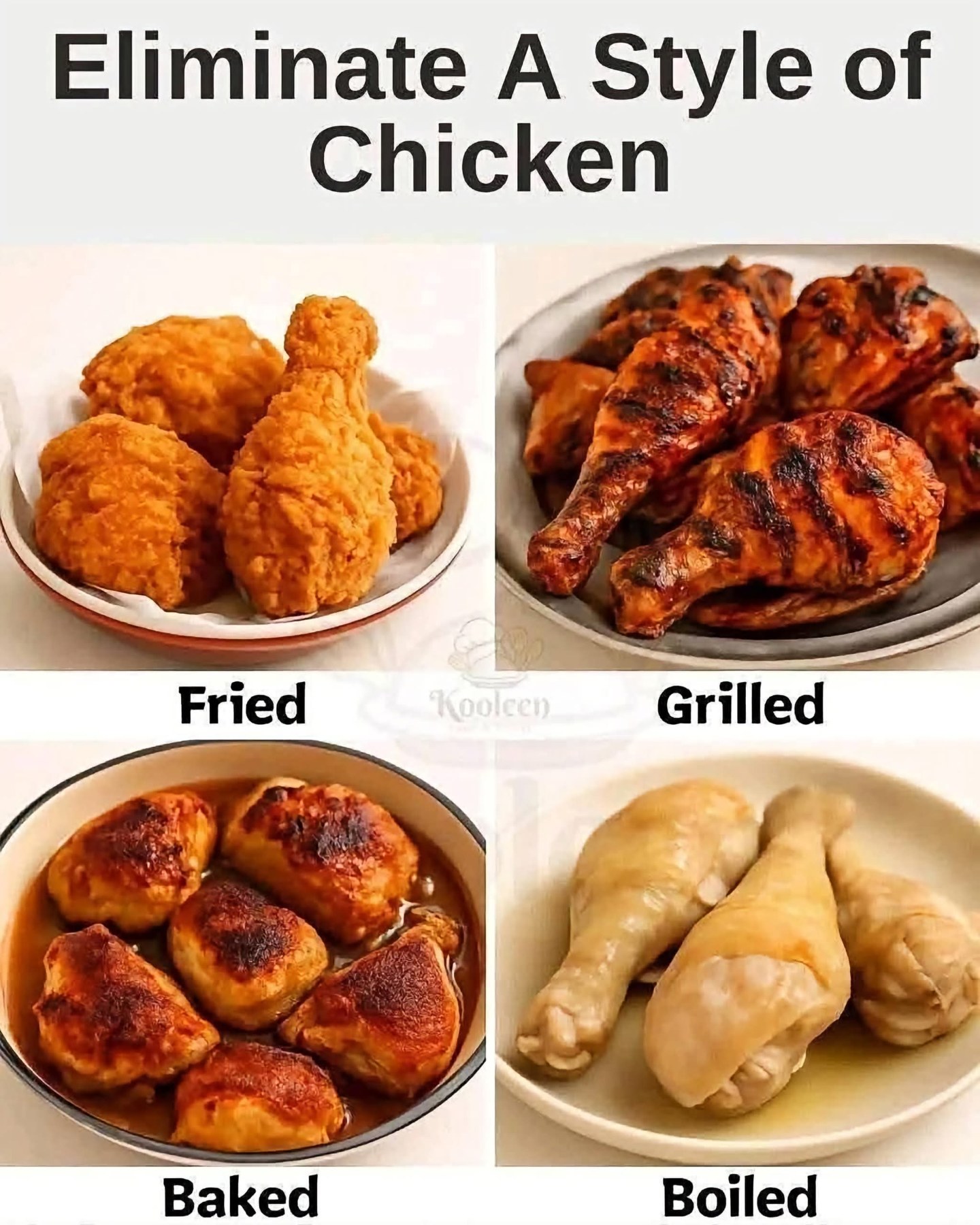
Four Ways to Cook Chicken: Fried, Grilled, Baked and Boiled (Comparison) is the kind of kitchen question almost every home cook faces at least once a week. Bone-in chicken pieces are affordable, forgiving and wonderfully versatile, but the cooking method you choose changes the texture, the flavour and the amount of effort you put in. This guide is written for anyone who wants a clear, side-by-side look at the four classic methods before deciding which one to cook.
Each method starts from the same seasoned chicken, so you can see exactly how the technique shapes the final result. You will find the timing, the temperature, the equipment and the kind of dinner each style suits best. The goal is simple: help you choose confidently and then cook the chicken well, whether you want a crunchy fried crust, smoky grill marks, a tender oven-baked finish or a gentle, comforting broth.
Why you’ll love this comparison
- It gives you a clear, practical view of how fried, grilled, baked and boiled chicken differ in texture, flavour and effort.
- It uses one simple seasoning base, so any difference you taste comes from the cooking method rather than the spices.
- It helps you match the method to your schedule, from a quick weeknight bake to a weekend cookout.
- It explains the exact temperatures and times for each style, so you can cook with confidence the first time.
- It offers flexible ideas for sides, leftovers and substitutions that make every method work for your household.
Ingredients
- Servings: 4
- Prep time: 20 minutes
- Cook time: 30-40 minutes (varies by method)
- 8 bone-in chicken pieces (drumsticks and thighs)
- Salt and black pepper
- 1 tbsp paprika
- 1 tsp garlic powder
- 1 cup all-purpose flour (for frying)
- 1 cup buttermilk (for frying)
- Oil for deep frying (about 1 litre)
- 2 tbsp oil and 2 tbsp BBQ or chili marinade (for grilling)
- 2 tbsp butter or oil (for baking)
- 1 onion, 1 bay leaf and water to cover (for boiling)
Bone-in pieces such as drumsticks and thighs are the best choice for all four methods because the bone protects the meat from drying out and adds flavour. Look for chicken with fresh, evenly coloured skin and avoid pieces with a strong odour. Paprika and garlic powder give the seasoning a warm, savoury base that suits every style, while buttermilk tenderises the meat before frying. Choose a neutral oil with a high smoke point for frying and grilling, and a good BBQ or chili marinade if you want a sweet-spicy glaze.
Instructions
- Season the chicken. Season all chicken pieces with salt, pepper, paprika and garlic powder, rubbing the spices well into the skin and meat. Let them rest for a few minutes while you prepare your chosen method.
- Fry the chicken. Soak the pieces in buttermilk, then dredge them in seasoned flour. Fry at 170°C/340°F for 12-15 minutes until deep golden and cooked through to 74°C/165°F.
- Grill the chicken. Coat the pieces with the oil and marinade, then grill over medium-high heat for 25-30 minutes. Turn them occasionally until they are charred with clear grill marks.
- Bake the chicken. Place the pieces in a baking dish with a little butter or oil and bake at 200°C/400°F for 35-40 minutes. Cook until the skin is browned and the juices are bubbling.
- Boil the chicken. Simmer the pieces with the onion, bay leaf and salt in water for 25-30 minutes until tender and cooked through.
- Serve. Serve each style hot with your favourite sides, such as rice, salad or fresh bread.
Tips for the best results
- Check doneness with a thermometer. Chicken is safe to eat when the thickest part reaches 74°C/165°F, which is more reliable than judging by colour.
- Keep frying oil at a steady 170°C/340°F. If the oil is too cool the coating turns greasy, and if it is too hot the outside burns before the inside cooks.
- Pat the buttermilk-soaked pieces lightly before dredging in flour so the coating sticks evenly and forms a crisp crust.
- When grilling, oil the grates and avoid moving the chicken too often so the grill marks and char can develop properly.
- In the oven, leave space between the pieces so the heat circulates and the skin browns instead of steaming.
- For boiled chicken, keep the water at a gentle simmer rather than a hard boil to keep the meat tender and juicy.
Variations and substitutions
- Boneless pieces: Use boneless thighs or breasts for a quicker meal, but reduce the cooking time and check the internal temperature early.
- Spicier seasoning: Add cayenne or smoked paprika to the spice mix for more heat and smoky depth, especially for grilling.
- Dairy-free coating: Replace buttermilk with a mix of plant milk and a squeeze of lemon juice for a similar tanginess when frying.
- Gluten-free frying: Use a gluten-free flour blend for the coating, which gives a light, crisp result with a similar look.
- Flavoured broth: Add carrots, celery or fresh herbs to the boiling water to create a richer, more aromatic broth you can use for soup later.
Serving suggestions
Fried chicken is at its best with creamy coleslaw, mashed potatoes and a sharp pickle on the side, because the contrast cuts through the rich crust. Grilled chicken pairs naturally with corn on the cob, a crisp green salad and a squeeze of lime to brighten the smoky glaze. Baked chicken suits roasted vegetables, rice or a simple tomato salad that soaks up the pan juices. Boiled chicken is comforting served with steamed rice, a spoonful of the flavourful broth and some fresh herbs. Match the sides to the method and you will get a balanced, satisfying meal every time.
Storage and reheating
Store cooked chicken in an airtight container in the refrigerator and eat it within three to four days. Fried chicken is best reheated in an oven or air fryer at around 180°C/350°F, which helps the coating crisp up again instead of turning soft. Grilled and baked pieces reheat well in a moderate oven, covered loosely with foil to keep them moist. Boiled chicken can be reheated gently in its broth on the stove. Avoid reheating chicken more than once, and always make sure it is steaming hot throughout before serving.
Frequently asked questions
Which cooking method is the healthiest for chicken?
Boiling and baking usually need the least added fat, so they are often the simplest choices if you prefer a lighter preparation. Grilling is also a good option because the fat drips away from the meat. Frying uses the most oil and creates a rich, crunchy coating. The best method for you depends on your taste and how often you want to eat fried food.
What is the best temperature for cooking chicken?
Chicken is safe to eat when the thickest part reaches an internal temperature of 74°C/165°F. Using a digital meat thermometer is the most reliable way to check. Bone-in pieces may take a little longer, so test the thickest area near the bone rather than the edges.
Can I cook chicken from frozen for these methods?
It is safest to thaw chicken fully in the refrigerator before cooking. Cooking from frozen can leave the outside overdone while the centre stays undercooked. If you are short on time, thaw the chicken in cold water in a sealed bag and cook it immediately afterwards.
Why does my fried chicken coating fall off?
Coating usually falls off when the chicken is wet or the flour is not pressed on firmly. Let excess buttermilk drip off, dredge the pieces well, and rest them for a few minutes before frying so the coating sets. Frying at the correct temperature also helps the crust stay attached.
How do I keep grilled chicken from drying out?
Oil the chicken lightly, grill over medium-high heat rather than blasting it, and turn the pieces occasionally. Removing them as soon as they reach 74°C/165°F prevents overcooking. Resting the chicken for a few minutes before serving lets the juices settle back into the meat.
Final thoughts
Fried, grilled, baked and boiled chicken each offer something different, from a crunchy golden crust to smoky char, a tender oven finish or a gentle, comforting broth. Start with the same seasoned bone-in pieces and try the method that suits your mood and schedule tonight. Once you have compared them side by side, you will know exactly which style to reach for next time, so get your apron on and give one of these methods a try.