
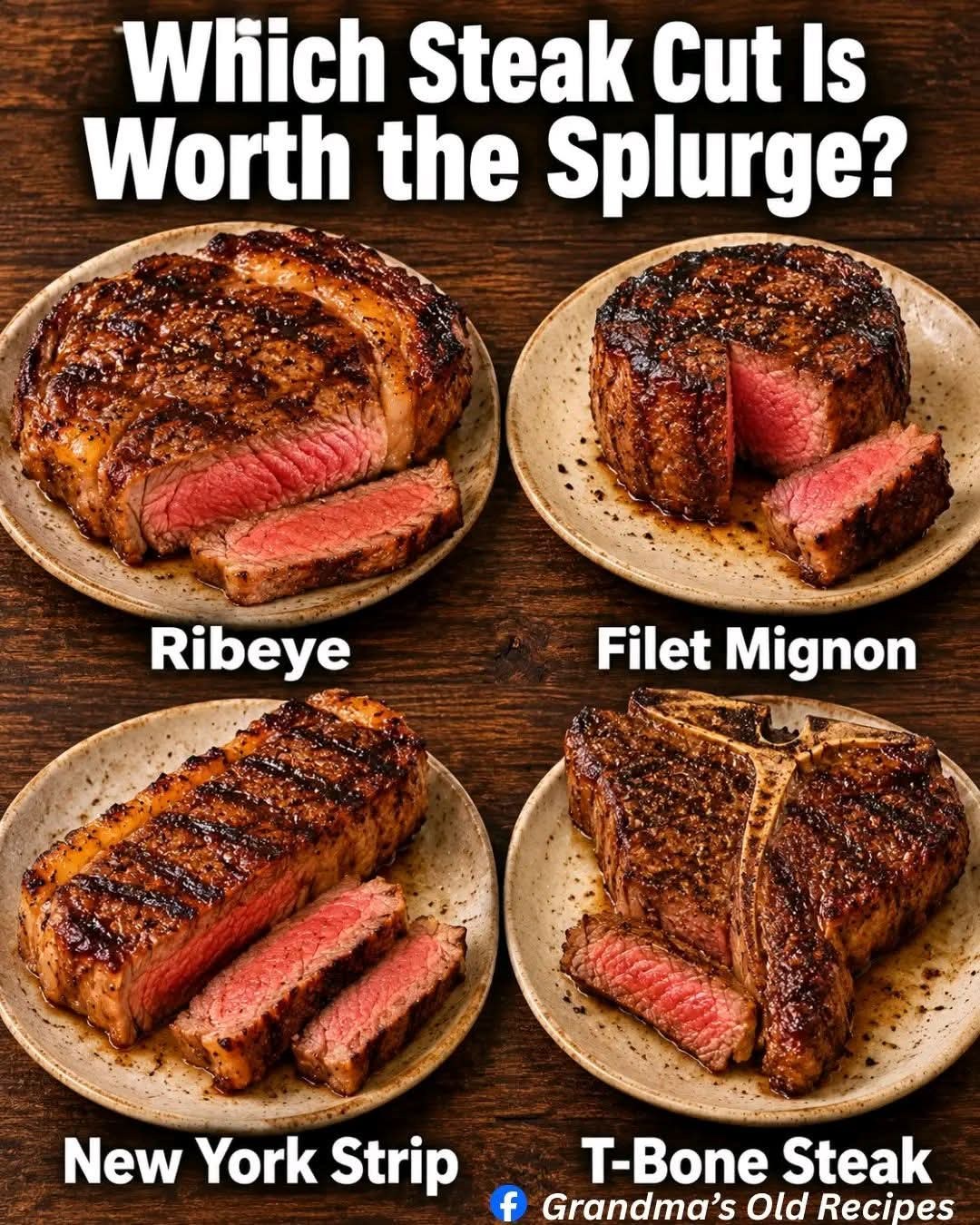
Grilled steak cuts comparison is one of the most useful things a home cook can learn before firing up the grill. Ribeye, filet mignon, New York strip and T-bone each bring something different to the plate, from rich marbling and deep beef flavor to buttery tenderness. This guide walks you through a complete grilled steak cuts comparison, along with a simple method that works for all four cuts, so you can serve a platter that suits every guest.
This recipe serves 4 and is ideal for weekend dinners, backyard cookouts or a special occasion when you want something impressive without complicated techniques. Prep takes about 15 minutes, plus 30 to 45 minutes of resting time before cooking, and the grill itself needs only 12 to 15 minutes. Because the method is straightforward, it works well even if you are new to grilling beef.
Why you’ll love this grilled steak cuts comparison
- You get four distinct cuts in one session, so everyone at the table can choose the texture and flavor they enjoy most.
- The simple seasoning of kosher salt, black pepper and garlic lets the natural taste of the beef shine through.
- Basting with butter, garlic and fresh herbs at the end adds a rich, aromatic finish without any extra work.
- Cooking to a target internal temperature takes the guesswork out of doneness, so every steak comes off the grill exactly as you intended.
- Learning how each cut behaves on the grill makes you a more confident cook for every future steak dinner.
Ingredients
- 1 ribeye steak (about 16 oz / 450 g, 1.5 inches thick)
- 1 filet mignon (about 8 oz / 225 g, 2 inches thick)
- 1 New York strip steak (about 12 oz / 340 g, 1.5 inches thick)
- 1 T-bone steak (about 20 oz / 560 g, 1.5 inches thick)
- 2 tbsp olive oil or avocado oil
- Coarse kosher salt, about 1 tsp per steak
- Freshly cracked black pepper, about 1/2 tsp per steak
- 1 tsp garlic powder (optional)
- 3 tbsp butter
- 3 garlic cloves, smashed
- 3 sprigs fresh thyme or rosemary
Choosing good steaks makes the biggest difference in the final result. Look for bright red meat with even, creamy white marbling, and ask your butcher to cut the steaks to the thickness listed so they cook evenly. Coarse kosher salt sticks well to the surface and creates a flavorful crust, while fresh thyme or rosemary releases its oils when it touches the hot butter. Avocado oil is a good choice if you want a higher smoke point, but olive oil works perfectly well for this method.
Instructions
- Bring the steaks to room temperature. Take the steaks out of the fridge 30 to 45 minutes before cooking so they can warm slightly. Pat them very dry with paper towels, since a dry surface browns much better.
- Season the steaks generously. Rub the steaks with oil, then season all sides with kosher salt, black pepper and garlic powder. Press the seasoning gently into the meat so it adheres well.
- Preheat the grill. Heat the grill to high, about 450 to 500°F (230 to 260°C). Clean the grates thoroughly and oil them lightly so the steaks do not stick.
- Sear the first side. Place the steaks over direct heat and leave them alone for 3 to 4 minutes to build a dark crust. Rotate each steak 90 degrees halfway through if you want attractive crosshatch marks.
- Flip and finish cooking. Flip the steaks and grill for another 3 to 5 minutes. Move the thicker cuts, the filet and T-bone, to indirect heat if they brown too quickly, and cook until the internal temperature reaches 130 to 135°F (54 to 57°C) for medium-rare.
- Add the butter and aromatics. In the last minute, top each steak with butter, smashed garlic and herbs. Spoon the melted butter over the steaks so they absorb the flavor.
- Rest the steaks. Transfer the steaks to a plate or cutting board and let them rest for 8 to 10 minutes. This allows the juices to redistribute so the meat stays moist when sliced.
- Slice and serve. Slice the steaks against the grain. Cut the meat away from the T-bone and the filet if you prefer, and spoon the pan juices over the top before serving.
Tips for the best results
- Always bring the steaks to room temperature before grilling so the centers cook more evenly and the outside does not burn before the inside is ready.
- Pat the meat completely dry before seasoning, because moisture on the surface prevents a good sear and causes the steak to steam instead.
- Use a reliable instant-read thermometer and pull the steaks a few degrees before your target temperature, since they continue to rise while resting.
- Do not press down on the steaks with a spatula, as this squeezes out the juices and leaves you with drier meat.
- Keep an eye on the filet mignon, which is lean and can overcook quickly, so move it to indirect heat early if needed.
- Let the grill preheat fully, since a cold grate produces grey, unevenly cooked steaks rather than a crisp, flavorful crust.
Variations and substitutions
- Compound butter: Mix softened butter with chopped parsley, lemon zest and a pinch of smoked paprika for a bright, herby topping.
- Dry rub: Replace the garlic powder with a blend of brown sugar, chili powder and cumin for a smoky, slightly sweet crust.
- Different herbs: Swap thyme or rosemary for sage or oregano if those are what you have on hand, adjusting the amount to taste.
- Cast-iron finish: If you lack a grill, sear the steaks in a very hot cast-iron pan, then add the butter and herbs and baste them in the pan.
- Single cut: Cook just one cut, such as a large ribeye, if you are serving fewer people or want to focus on a single flavor profile.
Serving suggestions
Grilled steaks pair beautifully with simple sides that let the beef stay in the spotlight. Roasted potatoes tossed in olive oil and rosemary soak up the pan juices, while a crisp green salad with a sharp vinaigrette cuts through the richness. Grilled asparagus or corn on the cob brings a smoky, summery touch, and a loaf of crusty bread is perfect for mopping up every drop of butter and juice. For drinks, a bold red wine such as Cabernet Sauvignon or Malbec complements the beefy flavor, and a sparkling water with lemon keeps things fresh if you prefer something non-alcoholic.
Storage and reheating
Leftover grilled steak keeps well in an airtight container in the refrigerator for up to three to four days. Let the meat cool to room temperature for no more than an hour before refrigerating, and slice it before storing so it reheats more evenly. To reheat, warm the slices gently in a skillet over low heat with a splash of broth or a little butter, stirring occasionally, until just heated through. Avoid the microwave on high, which tends to toughen the meat and make it rubbery.
Frequently asked questions
Which steak cut is the most tender?
Filet mignon is generally considered the most tender steak because it comes from the tenderloin, a muscle that does very little work. It has a mild flavor and a fine, buttery texture. Ribeye and T-bone are more flavorful but can be slightly less tender depending on the cut.
What is the difference between a New York strip and a ribeye?
A New York strip has a firm, dense texture and a strong, beefy taste with a rim of fat along one edge. A ribeye is richer and juicier because it contains more marbling, the fat woven through the meat. Many people choose ribeye for indulgence and New York strip for a more classic steakhouse bite.
How do I know when my steak is medium-rare?
The most reliable way is to use an instant-read thermometer and check for an internal temperature of about 130 to 135°F (54 to 57°C) before resting. Medium-rare steak should feel springy when pressed and show a warm pink center. Remember that the temperature rises a few degrees while the steak rests.
Can I cook all four steaks at the same time?
Yes, as long as your grill is large enough to hold them without crowding. Start the thicker cuts, the filet and T-bone, on the hotter parts of the grill or move them to indirect heat sooner than the thinner strip and ribeye. Keep an eye on each steak individually, since their sizes and thicknesses differ.
Why should steaks rest before slicing?
Resting allows the juices, which are pushed toward the center during cooking, to spread back through the meat. If you cut too soon, those juices run out onto the board and the steak becomes drier. A rest of 8 to 10 minutes makes a noticeable difference in juiciness.
Final thoughts
A grilled steak cuts comparison is a rewarding way to explore what makes each cut special, from the marbled richness of ribeye to the delicate tenderness of filet mignon. With careful seasoning, a hot grill and a little patience during resting, you can serve a platter that delights everyone at the table. We encourage you to try this recipe this weekend, take notes on your favorite cut, and then experiment with your own variations.