
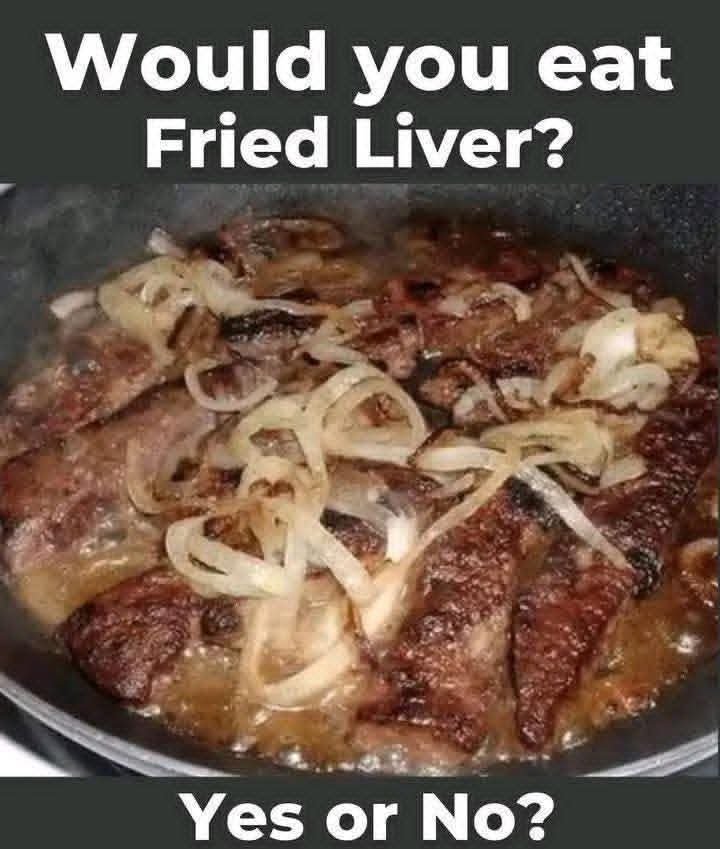
Beef Liver and Onions: A Classic Recipe for Flavor, Nutrition, and Value
Beef liver and onions is one of those timeless comfort dishes that has nourished families for generations. Once a staple of home kitchens and diners across America and Britain, it has seen a resurgence among health-conscious cooks, meal-prep enthusiasts, and anyone looking for an affordable, nutrient-dense protein. In this guide, you will learn why beef liver and onions deserves a spot on your dinner table, how to choose and prepare the liver, and how to cook a perfectly tender, flavorful version at home.
Why Beef Liver and Onions Is Worth Trying
Beef liver is often called one of the most nutrient-dense foods available. It is exceptionally rich in vitamin A, vitamin B12, folate, iron, copper, and riboflavin. A single serving can supply well over the daily recommended intake of several of these nutrients. Pairing it with sweet, caramelized onions balances its robust, mineral-forward flavor and adds fiber, vitamin C, and antioxidants.
Beyond nutrition, beef liver and onions is remarkably budget-friendly. Compared with premium cuts of steak, liver is inexpensive, making it an excellent choice for families, students, and anyone trying to eat well on a tight grocery budget. When cooked properly, it is quick to prepare, which means a nutritious, satisfying dinner can be on the table in under thirty minutes.
Choosing the Right Beef Liver
The quality of your liver makes a significant difference in the final dish. Look for liver that is deep reddish-brown, smooth, and glossy, with a fresh, mild smell. Avoid liver that appears gray, dull, or slimy, or that has a strong, sour odor.
Calf liver is the most tender and mild option and is often considered the gold standard for this dish. Beef liver from mature cattle is more robust in flavor and slightly firmer in texture. Either works well, though many home cooks prefer the delicate taste of calf liver for their first attempt.
When shopping at a butcher or grocery store, ask for liver sliced to about one-quarter to one-half inch thick. Thin slices cook quickly and stay tender, while thicker slices can become tough if overcooked.
Preparing the Liver for Best Results
Proper preparation is the key to avoiding bitter or tough liver. Start by rinsing the slices under cold water and patting them completely dry with paper towels. Using a sharp paring knife, remove the thin outer membrane and any visible veins or connective tissue. This step ensures a smoother texture and a milder taste.
Many cooks soak liver in cold milk for thirty minutes to one hour before cooking. Milk helps mellow the strong, metallic flavor that some people find off-putting. Simply submerge the slices in milk, refrigerate, and then drain and pat dry before dredging. Soaking in buttermilk or lightly salted water is another popular alternative.
Once prepared, season the liver with salt and freshly ground black pepper. Some cooks also dredge the slices in seasoned all-purpose flour, which creates a light golden crust and helps retain moisture during cooking.
How to Cook Beef Liver and Onions
The classic method for beef liver and onions is simple and rewarding. You will need beef liver, two to three yellow or sweet onions, butter or olive oil, salt, pepper, and optional flour for dredging.
Begin by slicing the onions into thin rings or half-moons. Melt two tablespoons of butter in a large skillet over medium-low heat. Add the onions with a pinch of salt and cook slowly for about twenty to thirty minutes, stirring occasionally, until they turn soft, golden, and deeply caramelized. Slow cooking brings out their natural sweetness and creates a rich base for the liver. If the onions begin to stick, add a splash of water or broth.
While the onions finish, remove them from the pan and set them aside on a warm plate. Increase the heat to medium-high and add a little more butter or oil. Cook the liver slices for approximately two minutes per side. The liver should be browned on the outside and still slightly pink in the center. Overcooking is the most common mistake, as it leads to dry, grainy texture. The center should feel springy to the touch, not firm.
Return the caramelized onions to the pan with the liver, or spoon them over the top before serving. A splash of balsamic vinegar, a sprinkle of fresh parsley, or a spoonful of Dijon mustard can add brightness and depth.
Serving Suggestions and Pairings
Beef liver and onions pairs beautifully with classic comfort sides. Creamy mashed potatoes soak up the flavorful pan juices, while buttery egg noodles or polenta offer a hearty alternative. For a lighter meal, serve the dish with steamed green beans, roasted broccoli, or a crisp arugula salad dressed with lemon and olive oil.
Crusty bread or whole-grain toast is ideal for mopping up the onions and sauce. For beverages, a medium-bodied red wine such as Pinot Noir complements the earthy richness of the liver, while a cold glass of milk or sparkling water offers a refreshing contrast.
Tips for Success
To ensure your beef liver and onions turns out perfectly every time, keep a few guidelines in mind. Always cook liver quickly over moderate heat to prevent toughness. Do not crowd the pan, which can cause the slices to steam rather than sear. Let the liver rest for a minute after cooking to allow the juices to settle. Finally, season at the end when possible, since salting too early can draw out moisture.
Leftover liver can be stored in an airtight container in the refrigerator for up to two days. Reheat gently in a skillet with a splash of broth to avoid overcooking. Many people also enjoy cold liver slices in sandwiches the following day.
Health Considerations
While beef liver is highly nut