
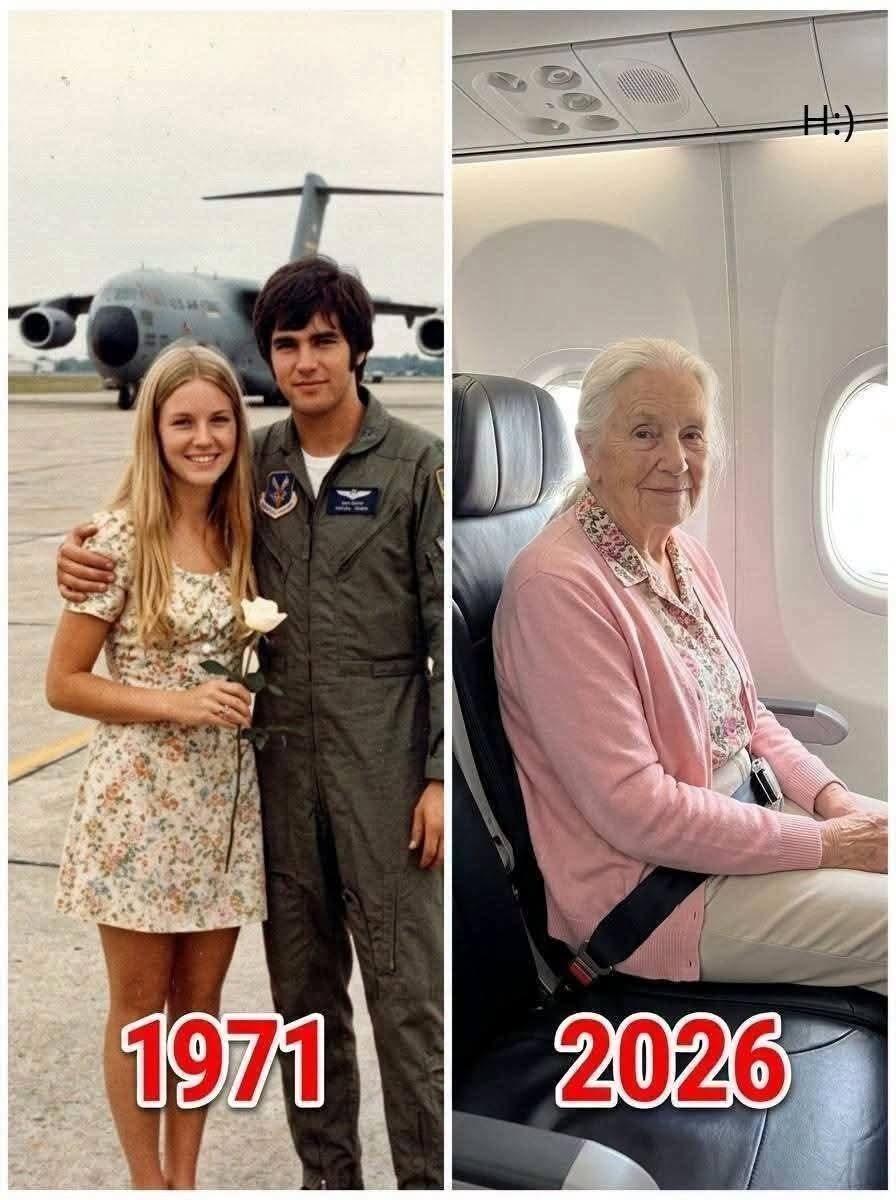
Her College Sweetheart Vanished in Vietnam 55 Years Ago
The Vietnam War, a poignant chapter in American history, has left an indelible mark on countless lives. Among the myriad of stories that arose from this tumultuous period, one stands out—an enduring tale of love and loss. Today, we delve into the heart-wrenching narrative of a college sweetheart whose unexpected disappearance during the Vietnam War continues to resonate with those who remember. This is not just a historical account; it’s a reminder of the personal sacrifices made during wartime, the search for closure, and the lasting effects of unresolved grief.
A Love Story Begins
In the early 1960s, amidst the backdrop of an ever-changing America, two young hearts intertwined at a midwestern university. Sarah and James, both bright-eyed undergraduates, fell in love amidst late-night study sessions and carefree campus events. Their chemistry was palpable, and their dreams of a future together seemed promising. With graduation on the horizon, they discussed plans beyond college—careers, travel, and perhaps starting a family.
The Draft and a Response
As the political climate shifted and the Vietnam War escalated, the United States instituted a military draft. Like many young men of his generation, James received his draft notice in 1966, propelling him into a world filled with uncertainty and fear. The couple, eager to hold onto their love, promised to write letters frequently, ensuring their bond remained intact despite the physical distance. These letters became their lifeline.
Letters from Vietnam: A Glimpse into Wartime Life
James’s correspondence from Vietnam painted a vivid picture of life during wartime. His letters detailed the harsh realities he faced—from the sweltering heat to the camaraderie with fellow soldiers. He shared not just the gritty details of combat but also his longing for home and the woman who waited for him. The letters evoked strong imagery; Sarah could almost hear his laughter and feel his presence through the ink.
The Last Letter
In the spring of 1968, two years after James was deployed, Sarah received his final letter. In it, he expressed his deep love for her and his hopes of returning home. Yet, there was an unsettling tone—a foreshadowing of the fear that enveloped soldiers. James mentioned a particularly dangerous mission on the horizon and asked Sarah to remain hopeful, promising to keep in touch no matter what.
Days turned into weeks, and the silence became deafening. Despite his promise, James never wrote again.
The Unknown and the Search for Answers
With each passing day of silence, Sarah’s anxiety deepened. Friends and family reassured her, but the haunting uncertainty gnawed at her heart. Weeks stretched into months, and the U.S. military finally confirmed the unthinkable: James was missing in action. The news shattered Sarah’s world, but she clung to hope.
The Impact of MIA Status
Being MIA (Missing in Action) is a status that creates a unique and painful void for loved ones left behind. Families often grapple with conflicting emotions—hope, despair, and anger. Sarah soon found herself connecting with other families who faced similar fates, engaging in support groups that nurtured her during this painful journey.
The Search Efforts
As 1969 approached, Sarah took it upon herself to find closure. She organized letter-writing campaigns, contacted veterans’ organizations, and sought out information from military resources. Her determination and resilience to uncover the truth about James fueled her efforts, but the search was met with immense challenges.
Healing Through Remembering
Over the years, Sarah learned to live with the unanswered questions surrounding James’s fate. While the hope of his return faded, the memories remained vivid—his laughter, his unwavering support, and their dreams of a shared future. Creating a scrapbook helped her hold on to these cherished moments, preserving not just their love story but the sentiments of a generation that lived through tumult.
The Role of Advocacy
As more time passed, Sarah transitioned from just being a woman in mourning to becoming an advocate for MIA families. She participated in events, raising awareness about the plight of those left behind. Her voice became a beacon for others, helping to shed light on the emotional struggles families face when a loved one goes missing.
Remembering James
Fifty-five years after that fateful spring, Sarah still honors James’s memory. Each year, she visits a local memorial dedicated to Vietnam veterans, placing flowers in his honor. The act symbolizes more than remembrance—it signifies an enduring love that transcends time.
The Importance of Commemoration
Commemoration plays a vital role in healing. By remembering and sharing stories like James’s, we not only honor those who have served but also acknowledge the sacrifices of their loved ones. Community events, memorial services, and personal tributes create opportunities for collective remembrance, fostering unity at a time when it is needed the most.
Conclusion: The Legacy of Love and Loss
The story of Sarah and James is a testament to the enduring bonds of love that defy circumstance. Even after five decades, Sarah’s commitment to honoring James reflects the resilience of the human spirit. While the war may have stripped her of her sweetheart, it could never diminish the love that will forever reside in her heart.
This narrative serves as a poignant reminder of the countless lives affected by the Vietnam War, urging us to never forget the real stories of sacrifice and love. The journey from hope to healing inspires not just veterans but anyone touched by loss, illustrating that the quest for closure can also pave the way for a meaningful legacy of remembrance.