
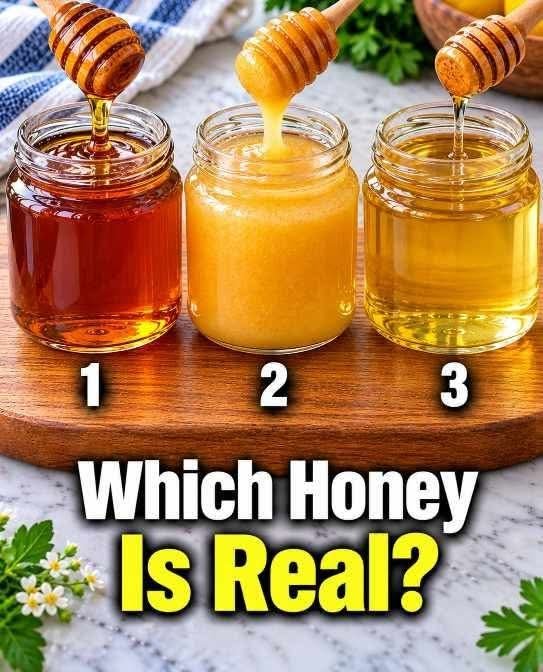
Which Honey Is Real? How to Tell If Honey Is Pure and Avoid Common Fake Honey Myths
Honey is a beloved natural sweetener that has been used for centuries, not only for its delicious taste but also for its potential health benefits. However, with the rise of counterfeit products flooding the market, many consumers are left questioning, “Which honey is real?” This comprehensive guide will provide you with essential tips on how to identify pure honey and debunk common myths associated with fake honey.
Understanding Honey Types
Before we dive into identifying real honey, it’s essential to understand the different types available in the market. The two primary honey categories you’ll encounter are:
– Raw Honey: This type of honey is harvested straight from the hive and minimally processed, retaining most of its natural enzymes, antioxidants, and vitamins. Its unique flavor profiles vary depending on the floral source.
– Processed Honey: This honey undergoes extensive processing, often including pasteurization and filtration, which can strip away beneficial nutrients. It is usually more translucent and has a longer shelf life but lacks the health benefits associated with raw honey.
Knowing the difference is crucial because it can help you make informed decisions when purchasing honey.
How to Identify Pure Honey
Identifying pure honey can be challenging, especially with many brands marketing their products as “natural” or “organic.” Here are some effective methods to recognize genuine honey.
1. The Water Test
This simple test can give you a good indication of honey purity. Here’s how to conduct it:
– Fill a glass with water.
– Add a spoonful of honey to the water.
– Observe the honey. Pure honey will settle at the bottom and not dissolve quickly, as it is thicker and less processed. In contrast, adulterated or fake honey will start to dissolve almost immediately.
2. The Flame Test
The flame test is another effective method for identifying real honey:
– Take a cotton wick and dip it into honey, then shake off the excess.
– Attempt to light it. Pure honey is flammable and should light easily due to its low moisture content. If it doesn’t light, it may contain water or other impurities.
3. Taste and Texture
Real honey has a unique taste and texture that differs from fake varieties. Pure honey is:
– Thick and viscous.
– Rich in flavor, with subtle notes that may vary based on the nectar source.
– Not overly sweet; natural honey should have complex flavors without an overpowering sweetness.
4. Read Labels
When buying honey, scrutinize the labels. Look for terms like:
– “100% Pure” or “Raw Honey”: Ensure there are no additives or corn syrup included.
– Local sources: Buying locally can sometimes ensure that you are getting pure honey, as it is less likely to be mixed with commercial brands.
Common Myths About Honey
As you strive to find genuine honey, it’s essential to debunk common myths that can mislead consumers.
Myth 1: All Honey is the Same
Many people think that all honey varieties are identical. In reality, honey can come from various floral sources, such as clover, wildflower, or manuka. Each type has its health benefits, flavor, and color. For example, manuka honey is renowned for its medicinal properties due to its high levels of methylglyoxal.
Myth 2: Honey Never Spoils
While it’s true that honey has a long shelf life, it doesn’t mean that it never spoils. Over time, honey can crystallize or change in flavor due to exposure to air and moisture. If you notice a change in smell or color, it’s best to replace it with fresher honey.
Myth 3: Raw Honey is Dangerous for Everyone
Raw honey is often deemed unsafe due to the risk of botulism, especially for infants. However, it is safe for most adults and children over one year old. The health benefits of raw honey significantly outweigh the risks for those who can consume it safely.
Health Benefits of Pure Honey
Understanding the advantages of using pure honey can reinforce your choice towards selecting authentic products. Here are some notable health benefits:
– Natural Energy Booster: Due to its natural sugars, honey serves as an excellent energy source that can provide a quick lift.
– Antioxidant Properties: Pure honey contains various antioxidants that can improve heart health and combat free radical damage.
– Soothing Properties: Honey is known for its soothing effect on sore throats and coughing; it has antimicrobial properties that can help healthily reduce inflammation.
Conclusion
In a world filled with fake honey products, knowing how to identify pure honey is essential for consumers. By conducting simple tests, reading labels carefully, and debunking long-held myths, you can enhance your honey-buying experience and enjoy the numerous health benefits that genuine honey offers.
Next time you’re shopping for honey, remember these tips and choose wisely; making informed decisions can lead to better health and an enriching culinary experience. With the right knowledge, you can confidently answer the question, “Which honey is real?” and avoid the pitfalls of common fake honey myths. Enjoy your sweet journey into the world of honey!