
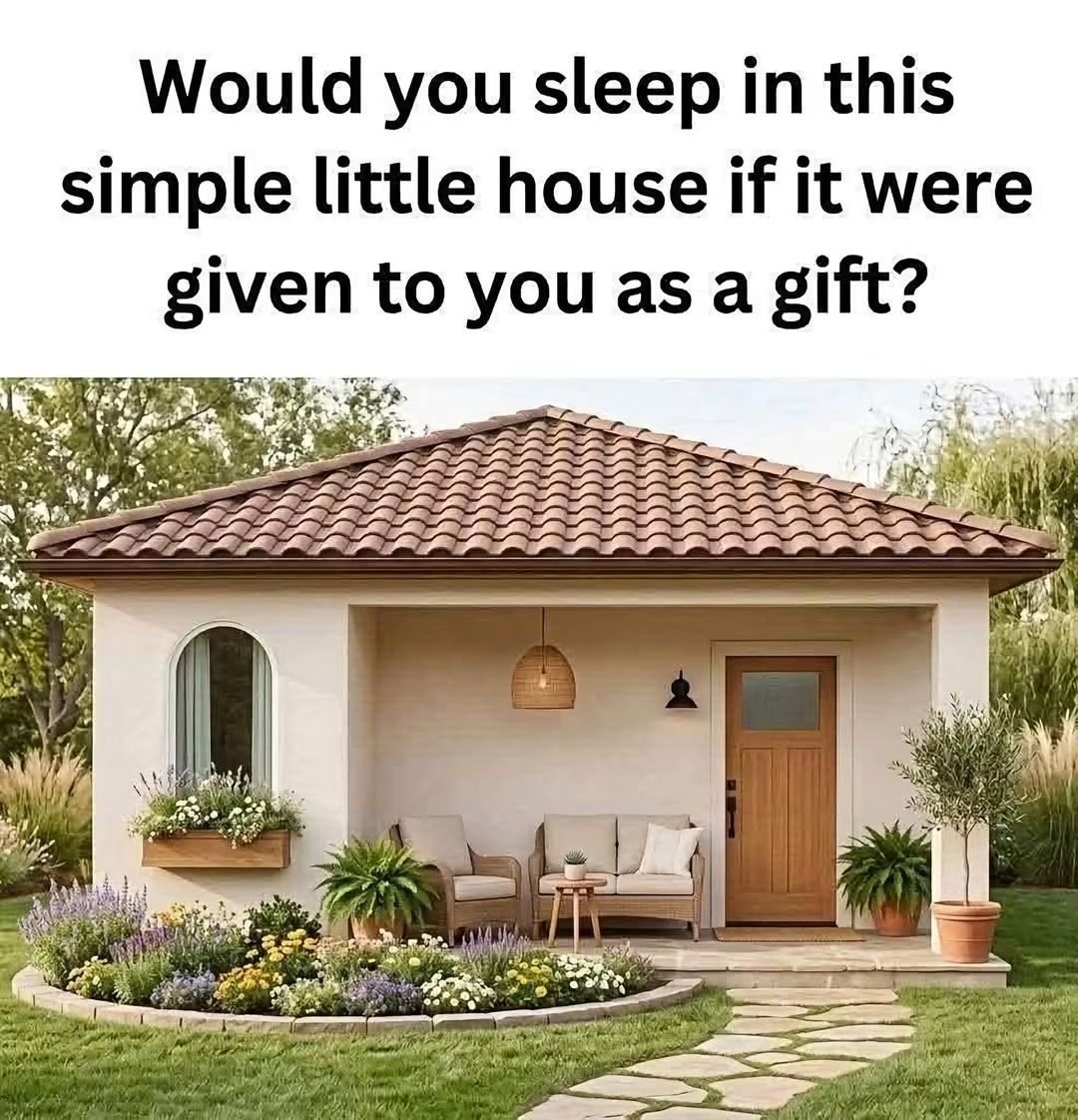
The Growing Appeal of Small Homes
In recent years, the trend of small homes has significantly gained momentum. As housing markets fluctuate and environmental concerns rise, many individuals and families are considering the numerous advantages of downsizing their living spaces. This comprehensive article explores the growing appeal of small homes, detailing their benefits, potential challenges, and the overall impact on modern living.
Understanding the Small Home Concept
Definition and Characteristics
Small homes, often referred to as tiny homes, are generally defined as living spaces that are less than 500 square feet. However, the term can also encompass homes ranging from 500 to 1,500 square feet. Key characteristics include efficient use of space, sustainable building practices, and minimalist design. With a strong emphasis on functionality, small homes are purposefully designed to meet the needs of their occupants without unnecessary excess.
Types of Small Homes
– Tiny Houses on Wheels: These are mobile, compact structures that allow homeowners to travel without the need for permanent foundations.
– Compact Bungalows: Traditional-style small homes often equipped with all essential amenities, perfect for singles or couples.
– Container Homes: Constructed from repurposed shipping containers, these homes are incredibly durable and environmentally friendly.
The Appeal of Small Homes
Financial Affordability
One of the most compelling advantages of small homes is their cost-effectiveness. Smaller square footage equates to lower purchase prices, which is a primary driver for many buyers. Additionally, smaller homes typically come with reduced utility bills. Heating or cooling a smaller area is less expensive, and maintenance costs are significantly lowered. This affordability aligns perfectly with the needs of many first-time homebuyers and those looking to retire debt.
Sustainable Living
As environmental awareness grows, so does the interest in sustainable living. Small homes are inherently more eco-friendly, requiring fewer materials to construct and resulting in less waste. Many small homes utilize renewable energy sources, such as solar panels, which reduces dependence on traditional power grids. Moreover, the generally smaller impact on land use helps to conserve natural habitats, making small homes a favorable option for eco-conscious individuals.
Minimalist Lifestyle
The minimalist lifestyle has captivated many as a way to declutter both physically and mentally. Small homes encourage a simplified way of living that focuses on experiences rather than material possessions. By living in a smaller space, individuals often find that they can enjoy life more fully. This shift toward minimalism allows for greater financial freedom and the opportunity to invest in experiences rather than tangible goods.
Flexibility and Mobility
Another appealing aspect of small homes is the flexibility they offer. Homeowners can easily modify and adapt their living space to meet changing needs. For instance, many tiny homes include innovative storage solutions that maximize utility in limited space. The mobility aspect is particularly significant for those considering a nomadic lifestyle. Tiny homes on wheels allow individuals to explore new places while maintaining their personal sanctuary.
Challenges to Consider
Zoning and Regulations
While small homes present many benefits, potential homeowners must also navigate zoning regulations and building codes, which can differ significantly across regions. Some areas may have strict regulations that limit the construction of tiny homes or require specific permits. It is crucial for prospective buyers to research the local laws and restrictions that may impact their plans for purchasing or constructing a small home.
Space Constraints
Living in a smaller space means making lifestyle adjustments. Although the decluttering process can be liberating, it often requires careful consideration of what items are truly essential. Families, particularly those with children, may struggle with the limited space for personal belongings and play areas. Therefore, ensuring that the home design meets the needs of all family members is essential to a successful transition to small living.
Resale Value
Unlike traditional homes, the resale market for tiny homes can be unpredictable. While the demand for smaller, sustainable homes is increasing, it’s essential for buyers to consider how easily they may be able to sell their small home in the future. Researching local market trends and understanding the demographic interested in smaller homes can help mitigate resale concerns.
The Future of Small Homes
Trends Influencing Small Home Design
As the demand for small homes increases, we can expect to see further innovations in design and construction techniques. Flexible floor plans that accommodate multiple functions, integrated technology for smart homes, and environmentally friendly materials will continue to trend in the small home market. Future buyers will likely seek out features that promote efficiency and sustainability, setting the stage for a new era in residential living.
Community Living
The concept of community living is gaining traction alongside small home trends. Many individuals are opting to live in small home communities, where clusters of tiny houses are built on shared land. This setup not only reduces costs but also fosters a sense of belonging and communal support. These eco-villages promote sustainability and reinforce the idea that a smaller footprint does not mean sacrificing sociability.
Conclusion
The growing appeal of small homes is undeniably transforming the landscape of modern housing. With financial savings, sustainable living, and a minimalist lifestyle at the forefront, more people are drawn to the idea of downsizing. However, it’s crucial to consider the possible challenges, including zoning restrictions, space limitations, and resale potential. Ultimately, as market trends shift and innovation continues to reshape the industry, small homes are poised to remain a viable and attractive option for many individuals seeking a simpler, more fulfilling way of life. Embracing the trend of small homes can lead to not only substantial savings but also a deeper sense of community and environmental consciousness.