
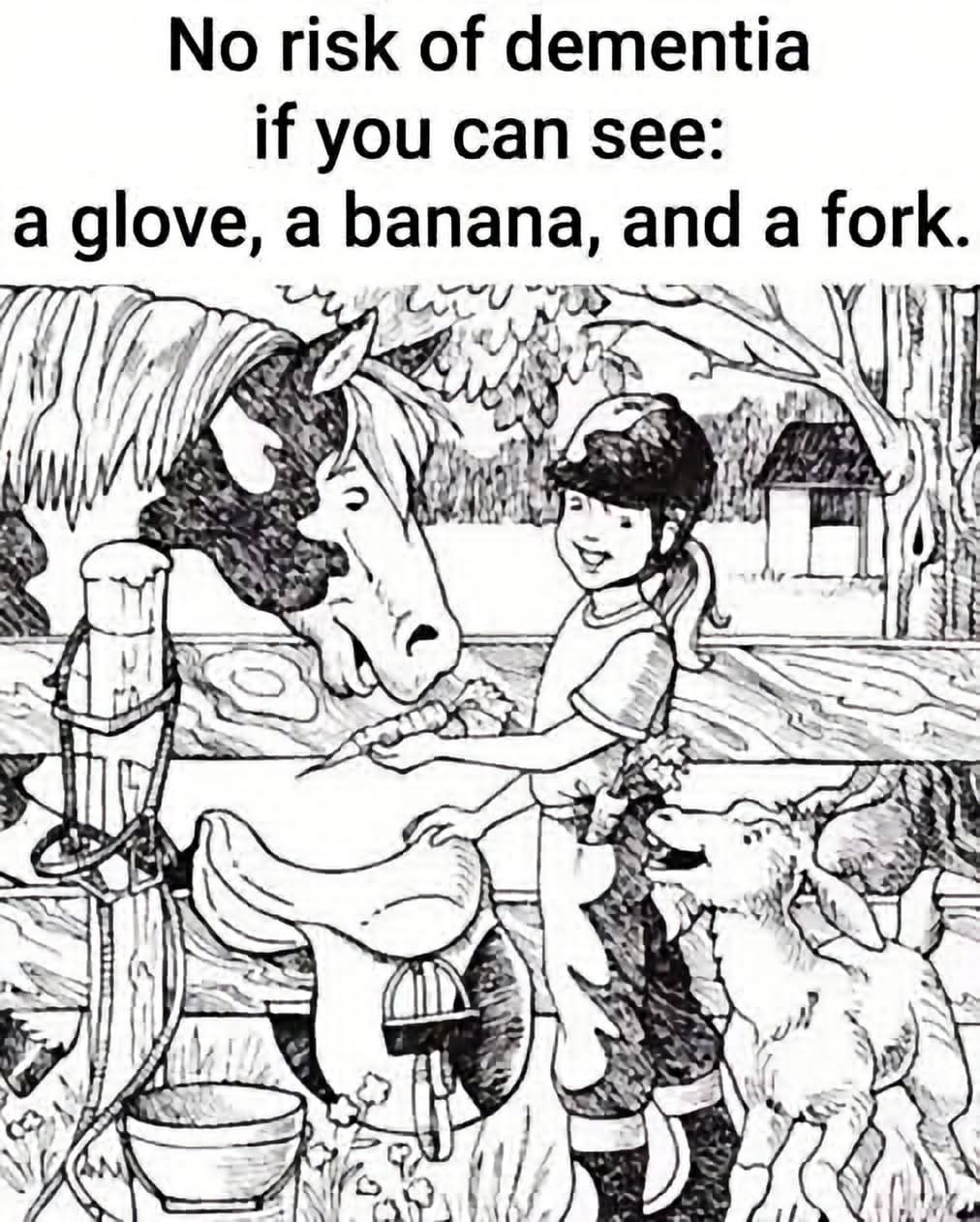
No Risk of Dementia If You Can See: A Glove, A Banana, and A Fork
Dementia is a term often shrouded in fear and confusion, associated with memory loss, cognitive decline, and loss of independence. However, emerging research indicates that our ability to recognize and interact with our surroundings might be key in preventing such conditions. In this article, we will explore how seemingly simple everyday items — a glove, a banana, and a fork — relate to dementia risk and the broader implications for cognitive health.
Understanding Dementia
Before delving into the specifics of our symbolic items, it’s vital to understand what dementia entails. Dementia is not a single disease but rather a collection of symptoms affecting memory, thinking, and social abilities significantly enough to interfere with daily life. Alzheimer’s disease is the most common type of dementia, but other forms include vascular dementia, Lewy body dementia, and frontotemporal dementia.
How Vision Impacts Cognitive Function
Vision is a critical component of our sensory experiences that greatly influences how we process information. Cognitive scientists have found that visual perception is integral to maintaining mental acuity and engagement with the world around us. Studies indicate that individuals who can effectively see and interpret their environment are less prone to cognitive decline. This underscores the importance of visual health in maintaining cognitive vitality.
The Glove: Protection and Mobility
The Role of Vision in Interaction
The glove symbolizes the essential act of grasping the world, both literally and metaphorically. Good vision allows individuals to safely interact with their environment, enhancing mobility and independence. Wearing gloves during certain activities, such as cooking or gardening, serves the purpose of protecting the hands while also demanding a high level of visual engagement. For instance:
– Enhanced Safety: Protective gear ensures that people can engage in activities without the risk of injury. This is especially relevant in environments where hazardous materials are present.
– Cognitive Engagement: The act of putting on gloves and using them effectively necessitates visual processing. This interaction promotes cognitive engagement, stimulating brain function that could help stave off dementia.
Regularly participating in visually stimulating activities that require hand-eye coordination, such as crafting or cooking while wearing gloves, can lead to improved cognitive health over time.
The Banana: A Symbol of Nutrition
Nutrition’s Impact on Brain Health
Nutrition plays a vital role in maintaining cognitive health. The banana, a widely recognized and accessible fruit, embodies the principles of a balanced diet rich in nutrients essential for brain health. Bananas are high in potassium and provide a quick energy boost without unhealthy additives. The nutrients present in bananas can contribute to overall cognitive function through:
– Brain-Boosting Vitamins: Bananas contain essential vitamins such as B6, which is necessary for producing neurotransmitters. These chemicals play critical roles in mood regulation and cognitive functions.
– Health Benefits: The fiber in bananas aids digestion and stabilizes blood sugar, allowing for steady energy levels. This stability is essential for sustaining focus and mental clarity.
Research suggests that diets rich in fruits and vegetables are correlated with lower risks of cognitive decline. Incorporating bananas and other fruits into daily meals can improve cognitive health while also providing delightful flavors.
The Fork: Connection to Meals and Social Interaction
Social Cues and Cognitive Engagement
The fork represents nourishment, socialization, and the ritual of dining. Eating is not just a solitary affair; it’s often a communal event that fosters social bonds and cognitive engagement. How does this relate to dementia risk?
– Social Interaction: Engaging in meals with family and friends stimulates conversations and mental engagement. Social interactions can help decrease feelings of loneliness and depression, which are risk factors for dementia.
– Mindful Eating: Utilizing a fork requires coordination and attention, especially when discussing or engaging in social settings. Mindful eating practices encourage individuals to focus on their food, which can enhance awareness and cognitive function.
Studies reveal that individuals who regularly share meals and partake in social activities are less likely to experience cognitive decline. Making mealtime a social occasion can be instrumental in maintaining mental health.
Conclusion: A Holistic Approach to Dementia Prevention
The glove, banana, and fork serve as symbols of essential elements in maintaining cognitive health — protection, nutrition, and social interaction. Incorporating visual stimuli into our everyday lives not only fosters a greater sense of awareness and engagement but also sustains brain health.
By ensuring that we participate in activities that enhance our vision and interactions while making mindful nutritional choices, we actively contribute to lowering our risk of dementia. Thus, while these items may seem simple, they embody much more than their physical forms; they represent a comprehensive, proactive approach to cognitive well-being.
As you engage with your environment, consume nutritious foods, and participate in social gatherings, remember that you’re investing in your cognitive future. Taking care of your visual health, savoring the nutrients that nature provides, and sharing delightful moments with loved ones forms an intricate web that holds the potential to ward off cognitive decline for years to come.