
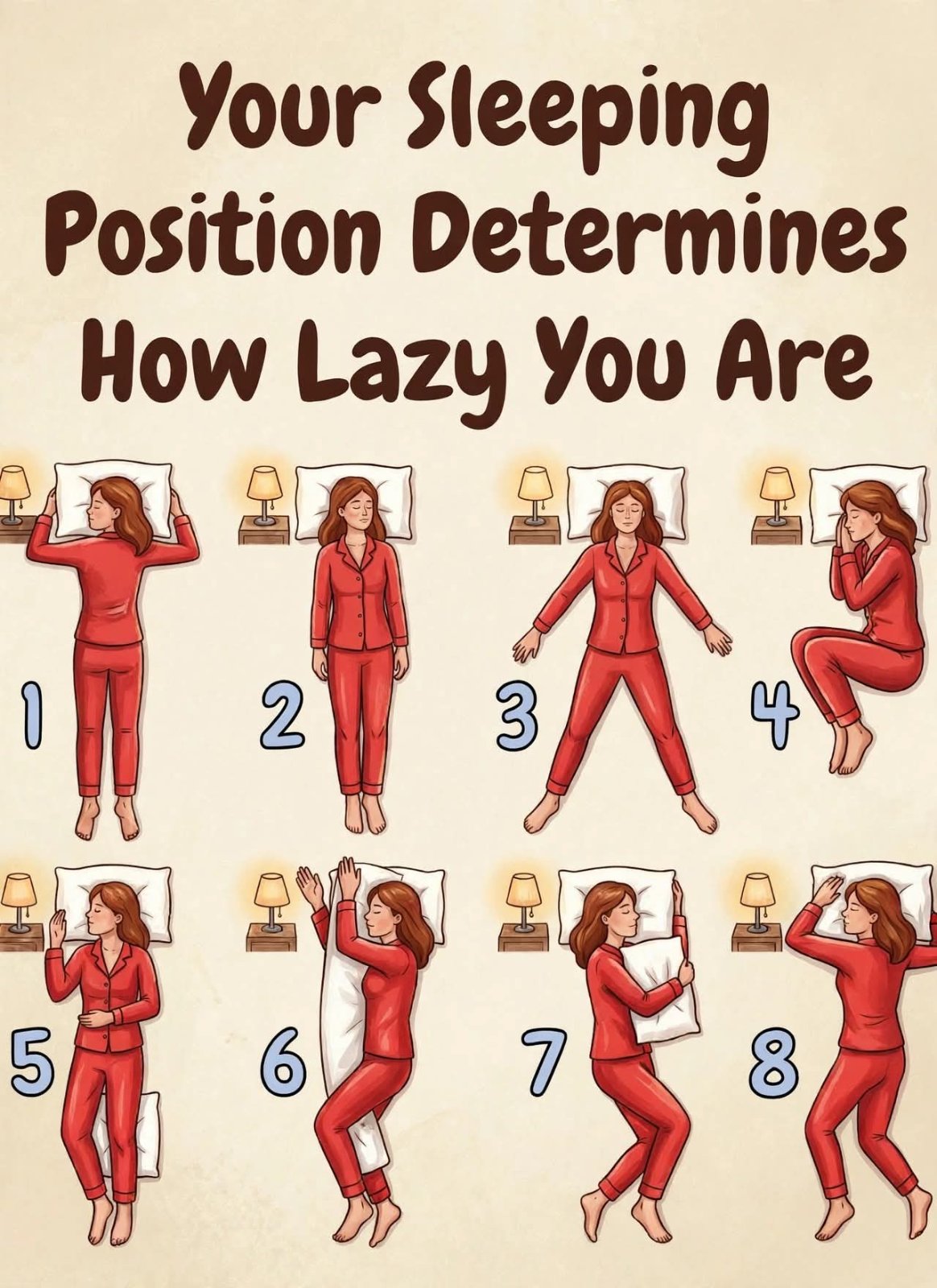
Do You Sleep Like This? Your Position May Reveal Something About You
Sleep is a universal necessity, yet the way we sleep can reveal fascinating insights about our personality and even our health. While most people focus on the quantity of sleep they get, the quality and position in which they sleep can sometimes offer a deeper understanding of who they are. In this article, we will explore various sleep positions, their psychological connections, and how your sleeping posture may reflect your personal traits.
The Importance of Sleep Positions
Understanding sleep positions can be beneficial not just for improving comfort but also for enhancing overall well-being. Research suggests that the position in which you regularly sleep can influence aspects such as sleep quality, physical health, and even emotional stability. Furthermore, pinpointing your usual sleeping posture can lead to better sleep hygiene practices, helping you wake up feeling refreshed rather than fatigued.
Common Sleep Positions and Their Meanings
1. The Fetal Position
One of the most common sleep positions, approximately 41% of people sleep curled up on their sides. This position, known as the fetal position, is associated with a feeling of security and comfort. Individuals who favor this posture are often seen as sensitive and vulnerable yet protective of themselves. This position may indicate you are cautious or have experienced emotional stress but are seeking protection or warmth in your sleep.
2. The Log Position
Individuals who sleep on their sides with both arms down are often termed “log sleepers.” This position generally reflects a person who is easy-going and sociable. Log sleepers are usually open to conversations and usually enjoy being part of a community. However, they might also be perceived as somewhat rigid or resistant to change.
3. The Yearner Position
The yearner position involves sleeping on the side with arms outstretched in front. This stance suggests a strong desire for personal freedom and is often associated with people who are open to new experiences but may be cautious in decision-making. They might not rush into relationships or commitments, preferring to weigh their options carefully before proceeding.
4. The Soldier Position
A soldier position is characterized by sleeping on your back with arms at your sides. This position is often associated with discipline and a reserved personality. People who sleep in this manner are usually calm, quiet, and self-disciplined. They have clear values and high expectations—both for themselves and for others.
5. The Freefall Position
Individuals who sleep on their stomachs with their arms wrapped around a pillow in front are practicing the freefall position. This position typically reflects a person who is sociable but can also be anxious or overly critical. Freefall sleepers may have a hard time letting go of worry and can be sensitive to criticism.
The Impact of Sleep Positions on Health
Aside from psychological insights, sleeping positions can also impact your physical health. For instance:
– Back Sleepers: This position can lead to snoring and sleep apnea but promotes spinal alignment.
– Side Sleepers: This is generally considered one of the healthiest positions. It can reduce acid reflux and minimize back pain. Side sleeping is particularly beneficial for pregnant women.
– Stomach Sleepers: While this position might feel comfortable for some individuals, it can lead to neck and back pain due to unnatural alignment.
Cultural Influences on Sleep Positions
It’s crucial to note that cultural factors may also play a role in preferred sleep positions. In some cultures, communal sleeping arrangements can encourage certain postures. For example, in regions where kinship ties are strong, family members sleeping close together may favor side positions. Understanding these differences can enhance our knowledge of how environment and tradition shape our behaviors during sleep.
Tips to Improve Your Sleep Positions
Improving your sleep quality goes beyond understanding your position; making changes in your environment can also help. Here are some practical tips:
1. Invest in Quality Bedding: The right mattress and pillows can enhance overall comfort, accommodating any sleep position preference.
2. Adjust Room Temperature: This can significantly affect sleep quality, especially for side sleepers who may need extra layers.
3. Create a Sleep Routine: Regular sleep hours can promote better sleep quality, allowing for more restorative cycles whether you sleep on your back, side, or stomach.
4. Practice Relaxation Techniques: If your sleep position reflects anxiety, practices like meditation, yoga, or deep breathing can help calm your mind.
5. Consult Professionals: For persistent issues, consulting a sleep specialist or healthcare provider can provide personalized insights and recommendations.
Conclusion
Your sleeping position may seem like a trivial aspect of your life, but it can unveil significant aspects of your personality, health, and even your emotional state. By understanding the meanings behind various positions, you can gain valuable insights into your behavioral tendencies and health implications. Take time to observe your sleep patterns and consider the adjustments you can make to enhance your sleeping quality—a good night’s sleep is the cornerstone of a healthy lifestyle. Remember that sleep is not merely a function but a vital component of your overall well-being. Understanding how you sleep is the first step to a more restful, enjoyable slumber!