
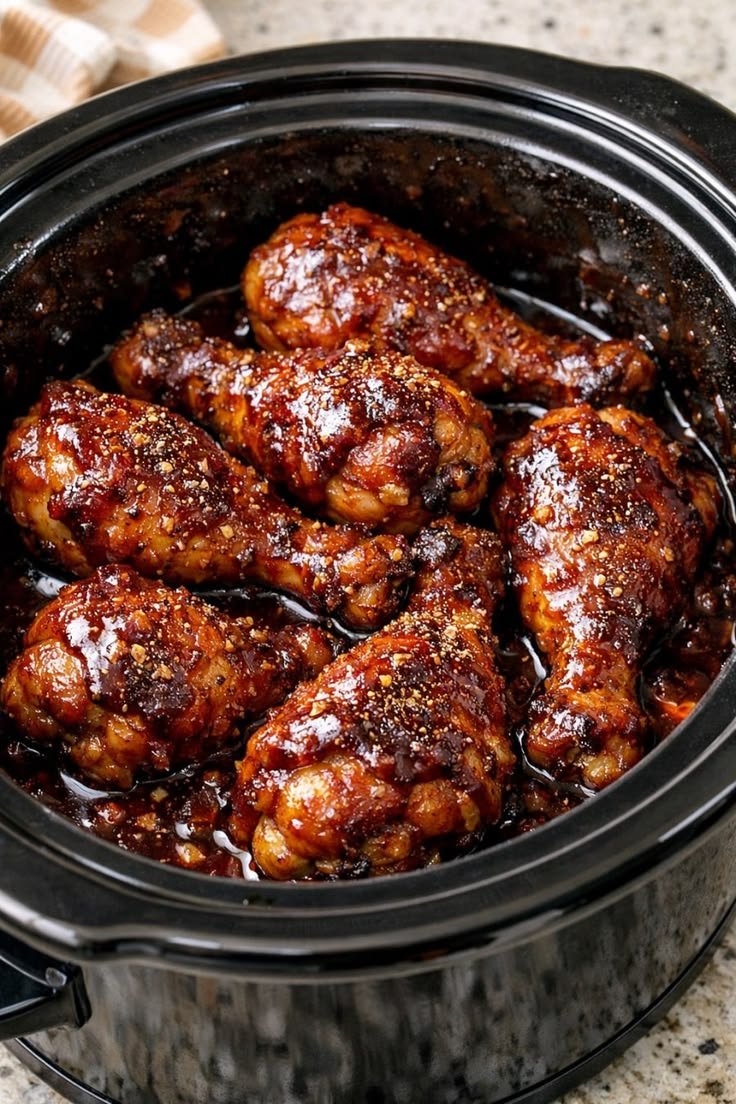
How to Create an Ultra-Realistic Vertical 9:16 American Food Reel
Creating engaging food content is vital in capturing the attention of viewers on social media platforms. With the rise of short-form video content, particularly on Facebook Reels, Instagram Reels, and TikTok, presenting mouthwatering American dishes through ultra-realistic food reels is more important than ever. In this article, we’ll provide a comprehensive guide to crafting an exceptional vertical food reel, ensuring it stands out while adhering to high production quality and viewer engagement.
Importance of High-Quality Food Cinematography
High-quality cinematography plays a crucial role in attracting viewers. The aim is to transport them into a visual and sensory experience that showcases the dish’s appeal. When done correctly, the reel can evoke feelings of comfort, nostalgia, and excitement about cooking.
Key Elements of Captivating Food Reels
1. Visual Realism: The reel must replicate the dish as closely as possible to the uploaded reference. This includes accurate colors, textures, and presentation. Natural lighting and subtle camera movements enhance realism and engagement.
2. Engaging Voice-Over: A realistic American female voice-over helps to create a personal connection with the audience. The tone should be friendly and enthusiastic, enhancing the overall experience.
3. Appetizing Presentation: Utilizing specific serving techniques and actions improves the visual appeal of your content, leading to greater engagement and viewership.
Detailed Breakdown of Creating Your Food Reel
1. Appetizing Food Lift (0–3 Seconds)
The first three seconds are critical for capturing attention. Begin with an extreme close-up of the finished dish, using a natural hand to lift a portion with an appropriate utensil. The female voice should start immediately with a strong hook, such as:
– “You have to try this delicious recipe!”
– “This might be your new favorite comfort food!”
This immediate engagement will set the tone for the rest of the reel, drawing viewers in from the onset.
2. Natural Serving (3–6 Seconds)
As the portion is transferred onto an appropriate plate, maintain the focus on the realistic textures and colors of the food. Utilize a fluid motion that emphasizes the weight and consistency of the dish. In this phase, the voice-over can briefly describe the food’s delicious qualities, such as its creamy texture or savory flavors.
For example:
“This dish has a rich, creamy sauce and perfectly cooked vegetables.”
Aim to keep this segment engaging but concise, as the key is to maintain viewer interest without losing them.
3. Final Food Reveal (6–10 Seconds)
Conclude the reel with a stunning close-up of the finished dish. This visual should highlight the appealing qualities and details of the food. During this final shot, the voice should clearly deliver the call-to-action:
“Want the full recipe? It’s in the first comment below!”
It’s essential to synchronize the delivery of this line with the visuals, ensuring that it resonates with viewers while they admire the dish.
Achieving High-Quality Audio
Audio quality is just as important as video quality in a food reel. The voice-over should be clear and distinct, with no background noise or distortion. A warm, friendly tone is preferred, making the audience feel as if they are receiving tips from a knowledgeable friend. Keep kitchen sounds minimal and natural, ensuring they provide ambiance without overshadowing the spoken content.
Tips for Perfect Audio
– Use High-Quality Recording Equipment: Invest in a good microphone to capture clear audio.
– Maintain Natural Breathing: An organic flow in speech gives a more human touch.
– Sound Editing: Utilize sound editing software to eliminate any unwanted noise or echoes.
Visual Realism in Food Reels
To ensure authenticity, focus on the following aspects:
– Lighting: Utilize natural light where possible, as it enhances the dish’s colors and textures.
– Texture and Color Accuracy: Replicate the food’s appearance faithfully to create a visually appealing presentation.
– Serving Techniques: Adapt the serving actions to fit the type of dish, ensuring that it is showcased in the best light.
Negative Prompts to Avoid
During the production process, it is crucial to avoid common pitfalls that can detract from your reel’s impact:
– No robotic or artificial-sounding voices.
– Avoid echo or static in audio recordings.
– Prevent visual distractions, such as multiple hands, floating utensils, or duplicated food items.
Conclusion
Creating an ultra-realistic vertical 9:16 American food reel demands careful attention to both visual and audio quality. By following a well-structured approach—starting with an enticing hook, maintaining high production standards, and concluding with a clear call to action—you can create compelling video content that encourages engagement. Remember, food reels are not just about showing the dish; they are an invitation to the audience to create the dish themselves. This method not only enhances viewer retention but also drives them to action, eager to check the comments for the complete recipe. Follow these guidelines, and you’ll have a mouthwatering food reel that stands out in today’s digital landscape.