
Introduction
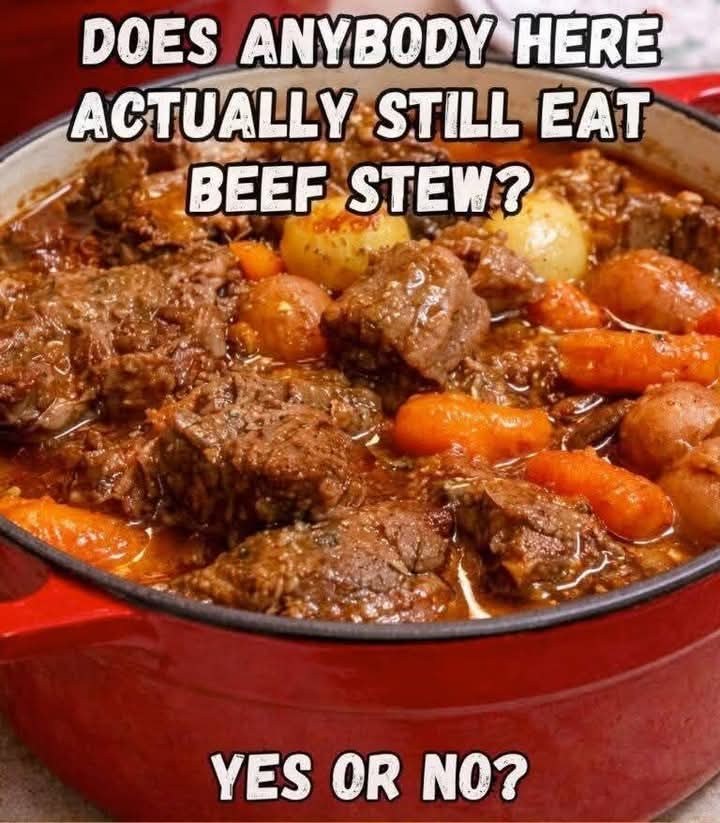
Beef Stew is a timeless dish that combines tender beef chunks with hearty vegetables in a rich, flavorful broth. This easy beef stew recipe is perfect for home cooks looking for a satisfying and comforting meal that warms you up on chilly days.
Ideal for family dinners or meal prepping, this stew simmers gently to develop deep flavors while ensuring the beef becomes melt-in-your-mouth tender. With straightforward ingredients and simple steps, it’s a recipe that anyone can master to enjoy a classic, delicious stew.
Why you’ll love this Beef Stew
- This beef stew delivers tender, flavorful beef that melts in your mouth after slow simmering.
- The combination of carrots and baby potatoes creates a hearty, satisfying texture and taste.
- Using red wine or additional beef broth adds depth and richness to the stew’s flavor.
- The recipe is easy to follow and perfect for beginners and experienced cooks alike.
- This stew can be made ahead and tastes even better the next day, making it great for leftovers.
Ingredients
- 2 lb beef chuck, cut into 1 1/2-inch cubes
- 2 tsp kosher salt
- 1 tsp black pepper
- 3 tbsp all-purpose flour
- 2 tbsp vegetable oil
- 1 large onion, chopped
- 3 cloves garlic, minced
- 2 tbsp tomato paste
- 3 cups beef broth
- 1 cup dry red wine or additional beef broth
- 1 tbsp Worcestershire sauce
- 1 tsp dried thyme
- 1 bay leaf
- 4 carrots, cut into large pieces
- 1 1/2 lb small potatoes, halved if large
- 2 tbsp chopped parsley (optional)
Preparation time is about 20 minutes, cooking takes roughly 2 hours and 30 minutes, making it a perfect slow-cooked meal for a weekend or a cozy evening. This recipe serves 6 people, ideal for a family or small group gathering.
The key ingredient is beef chuck, known for its rich flavor and tenderness after slow cooking. Choose well-marbled beef chuck for the best results. Fresh carrots and small potatoes add natural sweetness and texture. Using quality beef broth and optionally dry red wine enhances the stew’s depth and richness.
Instructions
- Prepare the beef: Pat the beef cubes dry with paper towels, then season evenly with kosher salt and black pepper. Toss the beef with the all-purpose flour to coat thoroughly.
- Brown the beef: Heat vegetable oil in a Dutch oven over medium-high heat. In batches, brown the beef cubes until they are well-colored on all sides. Remove browned beef to a plate to prevent overcrowding and ensure proper searing.
- Sauté aromatics: Add chopped onion to the pot and cook until softened, about 5 minutes. Stir in minced garlic and tomato paste, cooking for 1 minute until fragrant.
- Deglaze the pot: Pour in the dry red wine if using, scraping the bottom of the pot to loosen browned bits. Add beef broth, Worcestershire sauce, dried thyme, and bay leaf. Stir to combine.
- Simmer the stew: Return the browned beef and any accumulated juices to the pot. Bring the stew to a gentle simmer, cover, and cook on low heat for about 1 1/2 hours to tenderize the beef.
- Add vegetables: Add the carrots and halved potatoes to the pot. Cover and continue simmering for 45 to 60 minutes, or until the beef is fork-tender and vegetables are cooked through.
- Finish the stew: If the gravy needs thickening, simmer uncovered for a few minutes until it reaches the desired consistency. Taste and adjust seasoning as needed, then remove the bay leaf.
- Serve: Ladle the hot stew into bowls and optionally garnish with chopped parsley for freshness and color.
Tips for the best results
- Patting the beef dry before seasoning helps achieve a good sear and enhances flavor.
- Browning the beef in batches prevents overcrowding, ensuring caramelization instead of steaming.
- Simmer the stew gently to keep the meat tender and prevent it from becoming tough.
- Use small potatoes or halve larger ones to ensure even cooking and prevent mushiness.
- Allow the stew to rest after cooking; flavors deepen and meld beautifully when reheated.
- Adjust seasoning at the end to balance saltiness and acidity, especially if you use wine.
Variations and substitutions
- Swap beef chuck for stew beef or brisket for a different texture but similar flavor.
- Replace carrots with parsnips or turnips for a sweeter, earthier taste.
- Use pearl onions in place of chopped onion for a milder, sweeter onion flavor.
- Substitute red wine with extra beef broth or a splash of balsamic vinegar if avoiding alcohol.
- Add mushrooms during the last 30 minutes of cooking for an umami boost and extra texture.
Serving suggestions
Beef stew is delicious served hot with crusty bread or over creamy mashed potatoes to soak up the flavorful gravy. A simple green salad or steamed green beans provide a fresh contrast to the rich stew. For a hearty meal, serve with buttered egg noodles or rustic rice on the side.
Storage and reheating
Store leftover beef stew in an airtight container in the refrigerator for up to 3 days. The flavors improve after a day, making it ideal for meal prep. To reheat, warm gently on the stove over low heat until heated through, stirring occasionally. For longer storage, freeze the stew for up to 3 months and thaw overnight in the fridge before reheating.
Frequently asked questions
Can I make beef stew in a slow cooker instead of on the stove?
Yes, you can adapt this recipe for a slow cooker. Brown the beef and sauté the aromatics first, then add all ingredients to the slow cooker. Cook on low for 7-8 hours or on high for 3-4 hours until the beef and vegetables are tender.
What cut of beef is best for beef stew?
Beef chuck is the most popular choice because of its marbling and connective tissue that breaks down during slow cooking, resulting in tender, flavorful meat. Other suitable cuts include brisket or stew beef.
How can I thicken beef stew gravy?
The gravy thickens naturally from the flour coating on the beef and reduced liquid. If it’s too thin, simmer uncovered to reduce the liquid. You can also mix a tablespoon of cornstarch with water and stir it in while simmering.
Can I prepare beef stew ahead of time?
Absolutely. Beef stew tastes even better the next day as the flavors meld. Prepare it fully, cool, then refrigerate. Reheat gently before serving.
Is it okay to use frozen vegetables in beef stew?
Frozen vegetables can be used, but they may become softer than fresh ones. Add frozen vegetables towards the end of cooking to prevent them from overcooking and becoming mushy.
Final thoughts
This classic beef stew recipe combines simple ingredients for a deeply satisfying meal that’s perfect any time of year. Its tender beef and hearty vegetables in a rich broth make it a family favorite that’s easy to prepare and comforting to enjoy. Give this recipe a try to experience a delicious, warming dish that’s truly homemade comfort food.