
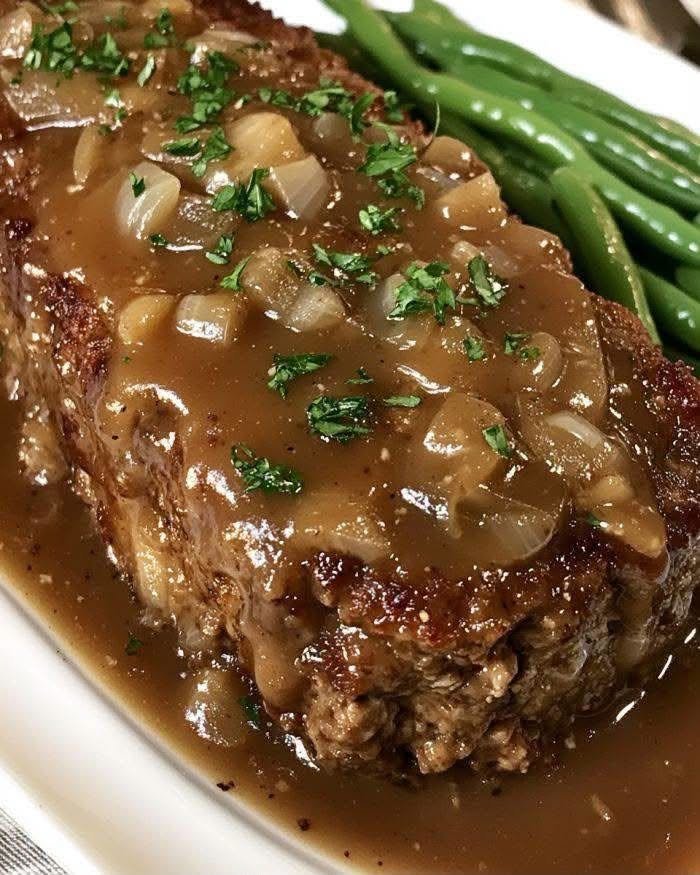
Such a Delicious Meal! It’s Even Better the Day After… If You Can Resist Eating It All Right Away 🙂
When it comes to food, some meals simply shine with their flavors, aromas, and textures. Certain dishes can make such an impression that they linger in your mind, and for many, the biggest challenge lies in resisting the temptation to devour them all in one sitting. This article dives deep into a well-known culinary phenomenon: meals that taste even better the day after. Let’s explore why certain dishes are ideal for leftovers, how to store them properly, and why you should resist the urge to eat them all right away!
Understanding Flavor Development
One of the main reasons that many meals become more delicious the day after is a process known as flavor development. This culinary magic occurs when ingredients have more time to mingle and meld.
Why Do Leftovers Taste Better?
1. Ingredient Interaction: As food sits, its various components—spices, herbs, and sauces—have more time to integrate, resulting in a more cohesive and robust flavor profile.
2. Fat and Oil Infusion: Dishes with a higher fat content, such as stews and casseroles, allow oils and fats to infuse the food, enhancing the taste and mouthfeel.
3. Cooling and Reheating Elements: When you cool food and then reheat it, chemical reactions can alter its taste and texture, often leading to a richer experience. The reheating process can also accentuate flavors that were less prominent when the dish was freshly cooked.
Best Meals to Save for Leftovers
Some meals, by their nature, lend themselves to being enjoyed over multiple days. Here are some classic examples:
1. Stews and Soups
Stews and soups are the epitome of meals that improve with time. The longer they simmer, the bolder the flavors. Dishes such as chili con carne, beef stew, or minestrone soup are fantastic examples. The layers of ingredients create a harmonious blend, making every spoonful delightfully complex.
2. Casseroles
Casseroles like lasagna, macaroni and cheese, and shepherd’s pie are perfect for storing away. The baking process initially blends the ingredients, and as they cool, the flavors continue to develop. These heartwarming dishes can be reheated in individual servings, letting each bite deliver nostalgia and satisfaction.
3. Curries
Curries are deeply flavored dishes featuring a variety of spices. Popular options such as chicken curry, vegetable tikka masala, or beef rendang become even more aromatic after a day in the fridge. The spices engage and create a flavor profile that is wonderfully potent.
4. Pasta Dishes
Pasta meals such as Bolognese or carbonara can be incredibly rewarding as leftovers. As the sauce penetrates the pasta overnight, each bite becomes a delightful experience. However, it is important to note that reheating pasta can lead to it becoming slightly soggy. Adding a splash of water or broth while warming can help maintain the texture.
5. Roasted Vegetables and Meats
Roasted dishes often become more flavorful the next day. The caramelization that occurs during cooking creates a depth of taste that resonates even stronger when given a chance to cool and reheat.
Tips for Proper Leftover Storage
To maximize the deliciousness of your leftovers, proper storage is crucial. Here are some guidelines:
Use Airtight Containers
Invest in high-quality airtight containers. These will prevent air from getting in and help your food retain its moisture and flavor.
Cool Before Refrigeration
Allow your food to cool to room temperature before storing it in the fridge. Placing warm food directly in the refrigerator can raise the temperature in your fridge and promote bacterial growth.
Keep Portions in Mind
Consider portioning out leftover meals. This practice ensures that you can enjoy single servings without repeatedly opening the same container, which can introduce bacteria.
The Reheating Process
Reheating is not just about making the food warm again; it’s an art form that can enhance the flavor experience even further.
1. Stovetop vs. Microwave
Whenever possible, use the stovetop for reheating. This method allows more control over the heating process and helps retain moisture. Use a medium heat and add a splash of water or broth for dishes like soups and stews.
2. Oven for Casseroles
For dishes like casseroles or pasta bakes, reheating in the oven can help restore some of the original texture. Cover with foil to prevent drying out, and use a medium temperature to warm gradually.
3. Microwave for Quick Results
If in a hurry, the microwave is acceptable, but ensure you heat evenly. Stirring halfway through can help distribute heat. Use microwave-safe containers and cover food to avoid drying out.
Conclusion
Food has a unique way of bringing joy, comfort, and satisfaction, especially when it comes to dishes that improve with time. The culinary magic of leftovers cannot be denied; the flavors develop and deepen, offering an even more delightful experience the day after. By understanding which meals are best for storing, how to store them properly, and the reheating techniques that can elevate your meal, you can extend your culinary enjoyment.
Whether you’re planning a week’s worth of meals or simply want to savor a delicious dish for a few more days, embracing the art of leftovers is a wise decision. So go ahead and whip up a hearty stew, vibrant curry, or cheesy casserole—just try to resist the urge to eat it all right away! Your future self will thank you.