
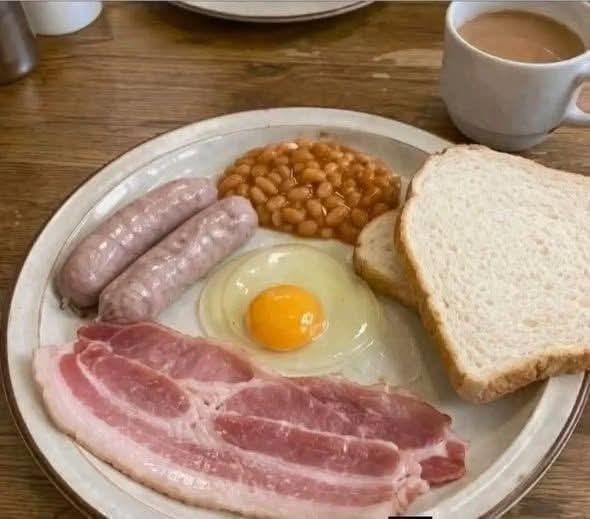
English Breakfast
Introduction
An English breakfast is more than just a meal; it’s an experience steeped in tradition and cultural significance. Often considered a hearty way to start your day, a classic English breakfast serves a variety of delicious foods that not only satiate hunger but also provide a rich insight into British culinary heritage. This comprehensive guide explores the essential components of an English breakfast, its historical background, and tips for preparing the perfect plate at home.
The Components of an English Breakfast
1. Full English Breakfast Ingredients
A traditional Full English Breakfast typically includes the following items:
– Eggs: Usually fried or scrambled, eggs are a staple. They add protein and creaminess to the plate.
– Bacon: British back bacon is preferred; it is thicker than American bacon and has a unique flavor profile.
– Sausages: Often referred to as bangers, these pork sausages add heartiness and a savory dimension to the meal.
– Baked Beans: A can of baked beans is a common side, offering a mildly sweet contrast to the salty components.
– Tomatoes: Grilled or roasted tomatoes add freshness and acidity, balancing the richness of other ingredients.
– Mushrooms: Sauteed mushrooms bring an earthy flavor and a satisfying texture to the mix.
– Black Pudding: This blood sausage is optional but is a traditional addition for those who enjoy its unique taste.
– Toast: Usually served with butter, toast is essential for mopping up the baked beans and runny egg yolks.
2. The Cooking Process
To prepare a Full English Breakfast at home, follow these steps:
Step 1: Preparing the Ingredients
Gather all your ingredients and chop the tomatoes and mushrooms. You may choose to use canned baked beans or prepare them from scratch.
Step 2: Cooking the Bacon and Sausages
Start by cooking the bacon and sausages in a large skillet. The bacon’s fat will help cook the sausages and other ingredients. Cook over medium heat until they are crispy and browned.
Step 3: Adding the Mushrooms and Tomatoes
Once the bacon and sausages are nearly done, add the sliced mushrooms to the skillet. After a few minutes, add the halved tomatoes, cooking until they soften.
Step 4: Preparing the Eggs
In a separate pan, fry or scramble the eggs according to your preference. You can also poach them for a lighter option.
Step 5: Heating the Baked Beans
Warm the baked beans in a small saucepan over low heat. Ensure they are heated through but not overcooked.
Step 6: Toasting Bread
While everything is cooking, toast your bread to the desired crispiness.
Step 7: Plating
Once everything is cooked, arrange the items on a large plate. Serve the eggs on top, with the bacon, sausages, mushrooms, tomatoes, and baked beans distributed around them. Add buttered toast on the side.
Historical Background of English Breakfast
The tradition of the English breakfast dates back to the early 19th century. Originally, it was a meal primarily enjoyed by the upper classes and the wealthy, who could afford such a lavish spread. Over time, as the working class began to adopt this hearty breakfast, it became a national staple.
Historically, breakfast in England was a simple meal consisting of bread and ale. It wasn’t until the Victorian era that the full breakfast came into vogue, thanks to increasing prosperity and changes in agricultural practices. The availability of meats, eggs, and other ingredients contributed to this shift.
Popular Variations
While the Full English Breakfast remains the classic choice, several regional variations have emerged, catering to different tastes:
1. Scottish Breakfast
A Scottish breakfast incorporates the traditional English elements while adding haggis, a savory mixture of sheep’s heart, liver, and lungs, alongside oats and spices.
2. Irish Breakfast
An Irish breakfast features similar components to the English breakfast but often includes white pudding instead of black pudding and adds potato farls, which are pan-fried potato cakes.
3. Vegetarian Full Breakfast
For those preferring a meat-free option, a vegetarian English breakfast can substitute the sausages and bacon with plant-based alternatives, ensuring that the essential flavors remain intact.
The English Breakfast Culture
The English breakfast is not only about the food but also about the experience. It is often enjoyed leisurely on weekends or during special occasions. Many cafes and restaurants across the UK highlight their unique takes on this traditional dish, catering to local palates and preferences while still honoring the classic roots.
Social Context
This meal has evolved into a social occasion, encouraging people to sit down together and enjoy their food while sharing stories. Pubs and hotels around the UK often offer a “breakfast for champions” as a way to entice visitors.
Conclusion
An English breakfast is an iconic culinary tradition that continues to resonate with many people, both in the UK and around the world. This hearty meal not only provides the energy needed for a productive day but also represents a unique blend of flavors and textures. Whether you are indulging in a traditional Full English at a café or preparing it at home, each component has its charm, and together they create a comforting experience unlike any other. By understanding the history and preparation of English breakfast, you can appreciate this meal twofold—both as sustenance and as a celebration of culture. So, gather your ingredients and enjoy a taste of this beloved British classic!