
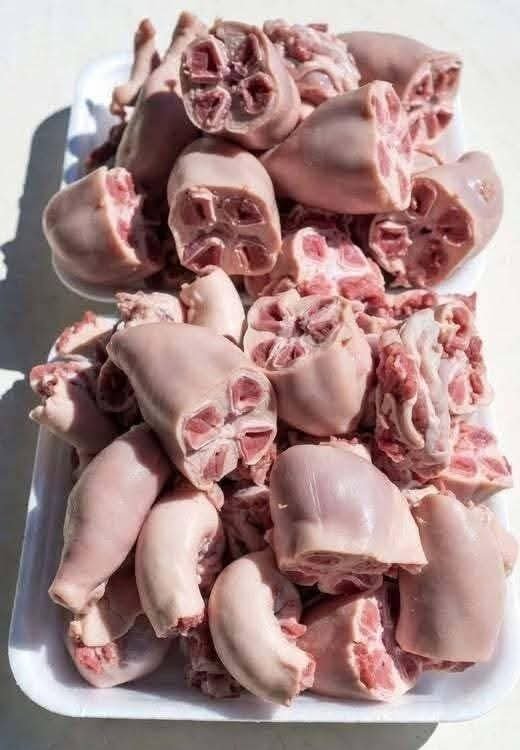
Are Supermarkets Really Selling Fake or Low-Quality Meat? Here’s What Consumers Should Actually Know
In recent years, an increasing number of consumers have expressed concerns regarding the quality of meat sold in supermarkets. The fear of purchasing fake or low-quality meat has become prevalent, leading many to question the integrity of the meat supply chain. This article aims to unpack these concerns, clarify the realities behind supermarket meat, and provide useful insights to help consumers make informed choices.
Understanding Meat Quality Standards
Before diving into the controversy, it’s essential to understand what constitutes meat quality. In most countries, meat is subject to various quality standards and regulations. Regulatory bodies, such as the United States Department of Agriculture (USDA) in the United States, set guidelines for meat grading, which includes factors like marbling, color, and texture. This grading system ensures that consumers receive meat that meets specific quality benchmarks.
Quality meat typically refers to cuts that are well-marbled, ensuring tenderness and flavor. The highest grade, often labeled as “Prime,” is usually reserved for the best cuts available. However, understanding these grades helps consumers recognize that not all supermarket meat is created equal, and price may often reflect quality.
Are Supermarkets Selling Fake Meat?
The term “fake meat” is commonly associated with plant-based substitutes designed to mimic meat products. However, when consumers ask whether supermarkets are selling fake or low-quality meat, they may also refer to the potential for mislabeling or contamination within the meat supply chain. Numerous studies have shown that some products, especially lower-cost varieties, can sometimes be mislabeled or contain additives that compromise their quality.
Mislabeled Products
Mislabeled meat products can pose a significant concern. Studies have revealed instances of lower-quality meats or different species being sold under the guise of more premium cuts. For example, a fish labeled as “tuna” might be discovered to actually be a different, cheaper species. The same can occur in beef products, where lower-quality beef may be sold as higher-grade cuts.
To protect yourself as a consumer, consider purchasing meat from reputable sources. Buy from stores known for their quality standards, and always check labels for certifications from recognized organizations.
Low-Quality Meat: What Does It Mean?
Low-quality meat refers primarily to cuts that fall short in flavor, texture, and juiciness compared to their higher-quality counterparts. Factors contributing to low-quality meat include:
– Age of the Animal: Older animals tend to yield tougher meat.
– Diet: Animals that have not been grass-fed or raised in humane conditions may produce lower quality meat.
– Processing Methods: Meat that has been heavily processed or treated with preservatives may lack the natural flavors and textures consumers expect.
While not all low-quality meat is dangerous, it may not provide the flavor or nutritional value that higher-quality cuts offer.
The Rise of Meat Substitutes and Consumer Choices
As consumers become more health-conscious and environmentally aware, the demand for meat substitutes has grown significantly. Products like plant-based burgers and sausages have surged in popularity, not just among vegetarians and vegans but also among traditional meat-eaters seeking healthier options. While these alternatives are not inherently fake meat, they reflect changing dietary preferences.
How to Choose Quality Meat
When visiting supermarkets, how can you ensure that you are purchasing high-quality meat? Here are some tips:
1. Look for Certifications: Choose products marked with certifications such as “grass-fed,” “organic,” or “humanely raised.”
2. Examine the Color and Texture: Fresh meat should have a vibrant color with no off smells. Textures should be firm and moist, not dry or slimy.
3. Understand the Pricing: While higher prices don’t always guarantee quality, extremely low prices may indicate lower-quality products. Understand local market rates for various meats.
4. Local and Trusted Sources: Support local farms or butcher shops where you can inquire directly about the quality and source of the meat.
Consumer Rights and Responsibilities
As consumers, we have rights. We should expect transparency and honesty in labeling. Regulating bodies are responsible for enforcement; however, knowing what to look for empowers consumers to make better choices.
1. Read Labels Carefully: Pay attention to the ingredients and sourcing.
2. Report Concerns: If you suspect mislabeling or unsafe products, report your concerns to relevant authorities.
3. Educate Yourself: Stay informed about quality standards, regulations, and industry practices to become a more savvy consumer.
Conclusion
Concerns about fake or low-quality meat in supermarkets are valid. While quality varies from store to store, consumers have a right to receive the highest quality products possible. Understanding what makes meat high-quality and recognizing potential red flags, such as mislabeling and poor sourcing, is imperative for health-conscious choices. By educating yourself and choosing wisely, you can navigate the meat market with confidence, ensuring that you enjoy quality cuts while supporting ethical practices in the meat industry.