
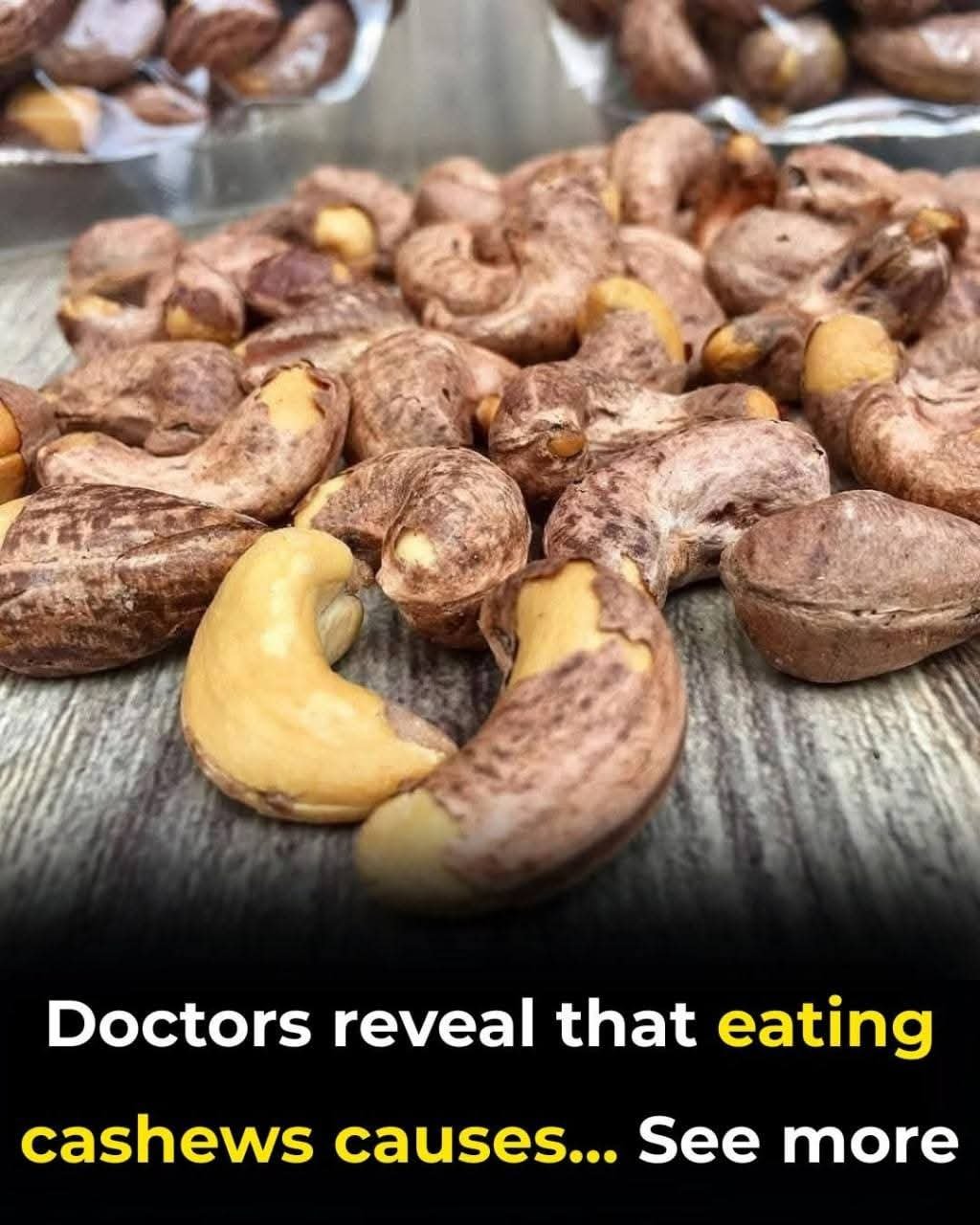
Doctors Reveal That Eating Cashews Causes Remarkable Changes in Your Body
Cashews are more than just a delicious snack; they are nutrient-dense powerhouses that can bring about significant health benefits when incorporated into your diet. Recent insights from health professionals underscore these advantages, shedding light on how this beloved nut can lead to remarkable changes in your body. In this article, we will explore the incredible benefits of cashews and why you might want to add them to your daily nutritional intake.
Nutritional Profile of Cashews
Before delving into the benefits, let’s examine the nutritional content of cashews. One serving of cashews (about 1 ounce or 28 grams) typically includes:
– Calories: 157
– Protein: 5 grams
– Fat: 12 grams (mostly healthy unsaturated fats)
– Carbohydrates: 9 grams
– Fiber: 1 gram
– Vitamins and Minerals: Cashews are rich in magnesium, copper, and manganese.
This unique composition highlights the ease with which cashews can fit into a balanced diet while offering essential nutrients.
Remarkable Changes in Your Health from Eating Cashews
1. Heart Health Improvement
Cashews play a crucial role in maintaining heart health due to their healthy fat content. The monounsaturated and polyunsaturated fats in cashews can help reduce bad cholesterol levels (LDL) while increasing good cholesterol (HDL). This can lower the risk of heart disease and related health complications. Studies have shown that regular nut consumption, including cashews, correlates with a decreased risk of cardiovascular incidents.
2. Weight Management Support
Incorporating cashews into your diet can also be beneficial for those looking to manage their weight. Although nuts are calorie-dense, they are nutrient-rich and can promote satiety. Eating a small handful of cashews as a snack can thwart cravings for unhealthy snacks, ultimately aiding in weight control. Nutrients such as protein and fiber found in cashews can help you feel full longer, preventing overeating.
3. Boosting Immune Function
Cashews are a rich source of antioxidants, such as vitamin E and selenium, which are crucial for bolstering the immune system. These antioxidants help combat oxidative stress in the body, leading to better overall health. Furthermore, maintaining good immune function is essential for reducing the chances of illness and infection.
4. Skin and Hair Health
The nutrients in cashews, particularly copper and antioxidants, contribute to skin and hair health. Copper helps in the production of melanin, a pigment responsible for hair and skin color. Additionally, the antioxidants in cashews help protect the skin from damage caused by free radicals, promoting a more youthful appearance. Regular consumption of cashews may help maintain skin elasticity and healthy hair growth.
5. Enhanced Bone Health
Cashews contain several minerals, including magnesium, phosphorus, and calcium, which play essential roles in maintaining strong bones. Magnesium, in particular, is known for its role in bone formation and may prevent osteoporosis. Including cashews in a balanced diet can augment your intake of these crucial minerals, supporting your skeletal health over time.
6. Improved Mood and Cognitive Function
Nuts, including cashews, contain nutrients and healthy fats that may improve brain health. The tryptophan in cashews is an amino acid that the body uses to produce serotonin, a neurotransmitter linked to mood regulation. Including cashews in your diet may lead to improved feelings of well-being and reduced symptoms of anxiety and depression. Furthermore, the presence of healthy fats supports brain function, enhancing cognitive abilities and memory.
7. Blood Sugar Control
Interestingly, cashews have a relatively low glycemic index, making them an excellent choice for managing blood sugar levels. Their balanced combination of healthy fats, protein, and fiber helps stabilize blood sugar, reducing spikes that can lead to cravings and energy crashes. This characteristic makes cashews a smart snack option for individuals with diabetes or those looking to maintain stable blood sugar levels.
How to Incorporate Cashews into Your Diet
Now that you understand the remarkable benefits of cashews, the next step is to incorporate them into your diet effectively. Here are several suggestions:
– Snack Time: Enjoy a handful of roasted or raw cashews as a snack between meals.
– Salads and Bowls: Toss chopped cashews into your salads or grain bowls for added crunch and nutrition.
– Nut Butter: Try cashew butter as a spread on toast or fruit for a nutritious alternative to traditional spreads.
– Cooking and Baking: Use cashews in stir-fries, curries, or as an ingredient in vegan creamy sauces and desserts.
Potential Drawbacks and Considerations
While cashews are nutritious, moderation is key due to their high-calorie content. Overconsumption can lead to weight gain, particularly if the extra calories are not accounted for in your overall diet. Additionally, some individuals may have allergies to cashews, so it’s essential to monitor for any adverse reactions upon introducing them to your diet.
Conclusion
Cashews are more than just a tasty treat; they are a powerhouse of nutrition that can lead to remarkable changes in your body. From promoting heart health to enhancing mood and cognitive function, the benefits are numerous and scientific backing reinforces their importance in a balanced diet. By incorporating cashews into your everyday meals and snacks, you can harness these health advantages and enjoy a nutritious lifestyle. Be sure to eat them in moderation to maximize their health benefits!
As you consider enhancing your diet, don’t underestimate the power of simple changes, such as adding cashews. With a multitude of health benefits at your fingertips, this nut can transform not only your eating habits but your overall well-being.