
Introduction
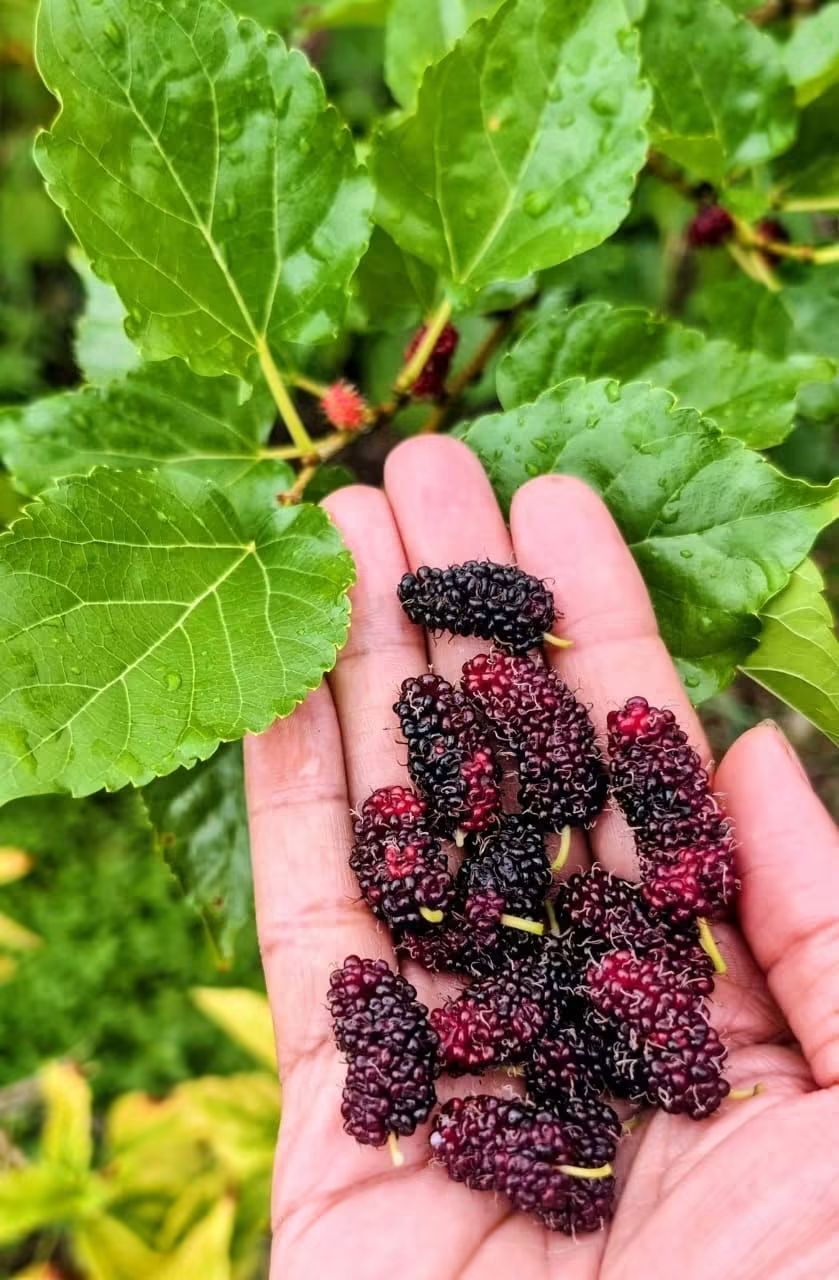
Mulberries, once a common fruit enjoyed by many, have become somewhat neglected in modern diets despite their impressive medicinal properties. These small, juicy berries grow on the mulberry tree and come in various shades from red to deep purple-black. In this article, you’ll learn why mulberries deserve a place on your table, how to prepare them, and simple ways to incorporate them into your meals.
Why Mulberries Are Special
Mulberries are packed with antioxidants, vitamins, and minerals that contribute to overall health. Their natural sweetness makes them versatile for both fresh eating and cooking. Plus, they have a rich history in traditional medicine, valued for supporting immune health and digestion. Despite these benefits, mulberries are rarely found in supermarkets, which makes for a unique and rewarding ingredient to explore.
Choosing the Right Mulberries
When selecting mulberries, look for ripe berries that are plump and deep in color—usually dark purple or black, though some varieties can be red or white. Avoid berries that are overly soft, shriveled, or moldy. Freshly picked mulberries often have a slight sheen and retain their stems.
Preparing Mulberries for Eating or Cooking
Mulberries are delicate and can be a bit messy due to their juiciness. Here are some tips to prepare them:
- Rinse gently: Place the berries in a colander and rinse under cool water carefully to avoid crushing them.
- Remove stems if desired: Most stems are edible but can be removed for a smoother texture in recipes.
- Handle with care: Use a spoon or your hands gently to transfer berries to bowls or pans.
Simple Mulberry Recipe: Fresh Mulberry Salad
This fresh mulberry salad highlights the fruit’s natural flavor and pairs well with a light dressing for a refreshing dish.
Ingredients
- 2 cups fresh mulberries, rinsed
- 1 cup mixed salad greens (such as spinach and arugula)
- 1/4 cup crumbled feta cheese
- 1/4 cup chopped walnuts or pecans
- 2 tablespoons balsamic vinegar
- 2 tablespoons extra virgin olive oil
- Salt and pepper to taste
Instructions
- Place salad greens in a large bowl.
- Add the fresh mulberries, crumbled feta, and nuts.
- In a small bowl, whisk together balsamic vinegar, olive oil, salt, and pepper.
- Drizzle the dressing over the salad and toss gently to combine.
- Serve immediately as a light lunch or side dish.
Tips for Success
- Use ripe mulberries for the best flavor; under-ripe berries can be sour.
- Prepare the salad just before serving to avoid sogginess.
- Combine with other seasonal fruits like strawberries or blueberries for variety.
Common Mistakes to Avoid
- Washing mulberries too early and storing wet can lead to spoilage.
- Overhandling the berries can crush them, resulting in a messy texture.
- Using unripe mulberries can cause an unpleasant tart taste.
Substitutions and Variations
If mulberries are unavailable, blackberries or raspberries can substitute in most recipes, though the flavor and texture will differ slightly. For a sweeter salad, add a drizzle of honey or a sprinkle of sugar. You can also toss mulberries into yogurt, oatmeal, or smoothies for a nutritious boost.
Serving Suggestions
Fresh mulberries complement a variety of dishes. Serve them as a snack, in salads, desserts, or blended into beverages. Their natural sweetness pairs well with tangy cheeses, nuts, and citrus flavors.
Storage and Shelf Life
Mulberries are highly perishable. Store them in a single layer on a paper towel-lined container in the refrigerator and consume within 1-2 days for optimal freshness. Avoid washing them until just before use to prevent moisture buildup that speeds spoilage. For longer storage, consider freezing mulberries on a tray before transferring them to airtight bags for smoothies or baking.
Frequently Asked Questions
Are mulberries safe to eat raw?
Yes, fresh mulberries are safe to eat raw and are delicious when fully ripe.
Can mulberries be used in cooking?
Absolutely. Mulberries work well in jams, pies, sauces, and baked goods.
How do mulberries compare nutritionally to other berries?
Mulberries are rich in vitamin C, iron, and fiber, making them nutritionally comparable to other dark berries like blackberries and blueberries.
Can I grow mulberries at home?
Yes, mulberry trees are relatively easy to grow in suitable climates and provide abundant fruit during the harvest season.
Final Thoughts
Mulberries are a flavorful, nutritious fruit that deserves more attention. Whether you find them in your backyard or at a local market, they offer a unique taste and health benefits worth exploring. Try the fresh mulberry salad recipe to start enjoying this medicinal fruit in a delicious way.
Ingredients
- 2 cups fresh mulberries, rinsed
- 1 cup mixed salad greens (such as spinach and arugula)
- 1/4 cup crumbled feta cheese
- 1/4 cup chopped walnuts or pecans
- 2 tablespoons balsamic vinegar
- 2 tablespoons extra virgin olive oil
- Salt and pepper to taste
Instructions
- Place salad greens in a large bowl.
- Add the fresh mulberries, crumbled feta, and nuts.
- In a small bowl, whisk together balsamic vinegar, olive oil, salt, and pepper.
- Drizzle the dressing over the salad and toss gently to combine.
- Serve immediately as a light lunch or side dish.
- Prep time: 10 minutes
- Total time: 10 minutes
- Servings: 2 servings