
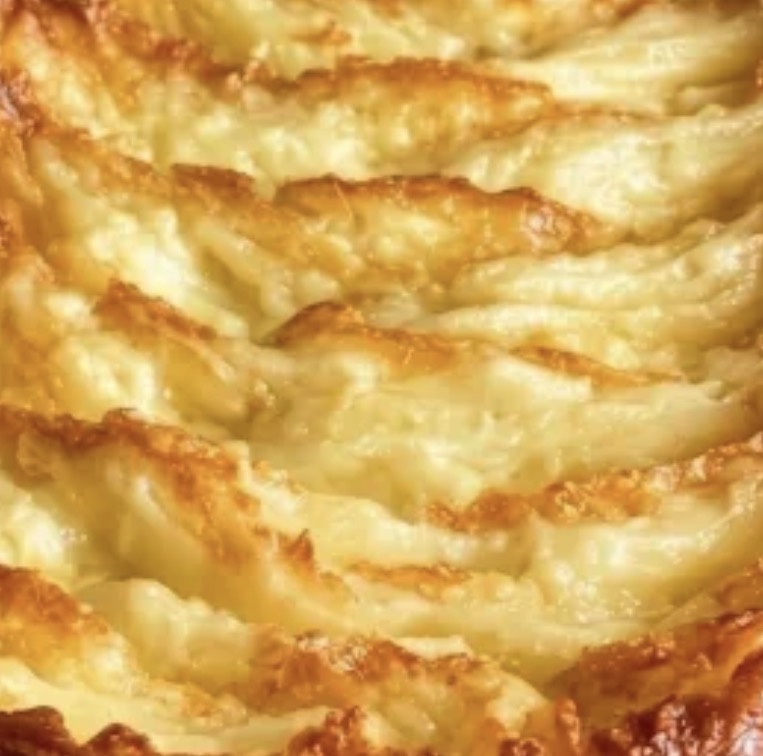
Oh, my dear friend, there is nothing quite like the aroma of something sweet and comforting baking in the oven to make a house feel like a home. Lately, I’ve been seeing so many folks in my local community asking about the elusive “Crinkle Cake.” You know the one—it boasts a beautifully rustic, cracked, sugary top that looks like a delicate web of sweet wrinkles. It is natural to look at it and wonder, “How on earth do they get that perfect, bakery-style crust without using a single drop of frosting?”
At 73, living out here in my cozy farmhouse, I’ve learned that the most beautiful things in life are often the ones that embrace a few natural imperfections. Between keeping a watchful eye on my circulation, monitoring those sudden, unexplained purple blotches on my arms, and doing everything I can to keep my daily routines peaceful, I know one thing for certain: we do not need to overcomplicate our lives (or our baking) to find joy. Letting kitchen perfectionism spike our stress is the absolute last thing our bodies need.
So, I put the kettle on, brewed a soothing cup of my favorite chamomile tea, and dusted off my favorite mixing bowls to share the actual “baking science” and my cherished recipe behind this wonderful, low-fuss dessert.
The Sweet Science Behind the “Crinkle”
Before we start measuring flour, it helps to understand why this cake behaves the way it does. The signature “crinkle” or cracked top is not an accident; it is a beautiful chemical reaction.
When you bake a cake, the outside edges and the top are exposed to the most direct heat. In a crinkle cake, the high sugar content on the surface dissolves into the moisture of the batter. As the heat of the oven hits the pan, that surface sugar rapidly recrystallizes and forms a delicate, crispy crust. Meanwhile, the inside of the cake is still expanding and rising from the leavening agents. As the interior pushes upward, it breaks through that already-set surface crust, creating those gorgeous, rustic fissures we love so much.
It is a perfect reminder that sometimes, the pressure from within is exactly what creates the most beautiful exterior!
My Go-To Farmhouse Vanilla Bean Crinkle Cake
This recipe is incredibly forgiving, making it perfect for a relaxed afternoon. It yields a tender, buttery crumb with a spectacular cracked top that pairs wonderfully with a hot cup of tea.
The Ingredients
1 ½ cups all-purpose flour: Spooned and leveled, not scooped, to keep the cake light.
1 ½ teaspoons baking powder: This provides the gentle lift needed to crack the top.
½ teaspoon fine sea salt: To balance the sweetness.
½ cup (1 stick) unsalted butter: Softened to room temperature.
1 cup granulated sugar: Plus an extra 2 tablespoons for sprinkling on top (this is the secret to the crinkle!).
2 large eggs: Room temperature is best for a smooth emulsion.
1 tablespoon pure vanilla extract: Or the scraped seeds of one whole vanilla bean for a truly luxurious flavor.
½ cup whole milk or buttermilk: Buttermilk adds a lovely, subtle tang.
The Gentle Instructions
Prep Your Space: Preheat your oven to 350°F (175°C). Grease a standard 9×5-inch loaf pan and line it with a sling of parchment paper for easy removal.
Whisk the Dry: In a medium bowl, gently whisk together the flour, baking powder, and salt. Set this aside.
Cream the Butter and Sugar: In a large bowl, beat the softened butter and the 1 cup of sugar together until it looks pale and fluffy. This step incorporates air, which is vital for a tender texture.
Add the Wet Ingredients: Beat in the eggs one at a time, followed by the vanilla extract. Scrape down the sides of the bowl with a spatula to ensure everything is evenly mixed.
Fold it Together: Alternating with the milk, gently fold in your dry ingredients in two batches. Stop mixing the moment you no longer see streaks of dry flour. Overmixing develops gluten, which leads to a tough cake and can actually prevent the top from crinkling properly!
The Magic Touch: Pour the batter into your prepared pan and smooth the top. Take those reserved 2 tablespoons of granulated sugar and sprinkle them evenly over the surface.
Bake: Bake for 45 to 55 minutes. You will see the magic happen around the 30-minute mark as the top begins to split and crinkle. The cake is done when a toothpick inserted into the center crack comes out clean.
Cool and Rest: Let it cool in the pan for 15 minutes before lifting it out by the parchment sling to cool completely on a wire rack.
3 Tips for a Perfectly Peaceful Baking Day
Baking should be a therapeutic experience, not a chore. Here are a few ways to keep your kitchen routine serene and successful.
- Respect the Temperature
Ensure your butter and eggs are truly at room temperature. Cold ingredients do not emulsify properly, which can lead to a dense, heavy cake. If you forgot to take your butter out, simply cut it into small cubes and let it sit for 20 minutes, or warm it in the microwave in 5-second bursts.
- Trust Your Oven, Not Just the Timer
Every oven has its own unique personality. Some run hot, while others run cool. Instead of staring anxiously at the clock, rely on your senses. The cake is ready when the edges are pulling slightly away from the pan, the top is golden and cracked, and your kitchen smells like warm vanilla.
- Embrace the “Ugly” Delicious
If your cake doesn’t crack perfectly down the middle, or if one side rises a bit higher than the other, let it go. A farmhouse cake is meant to look homemade and rustic. The taste will be just as spectacular, and letting go of visual perfection is a wonderful way to practice mindfulness.
Nourishing the Body and the Soul
While we enjoy the simple pleasures of a sweet treat, it is always wise to balance our indulgences with gentle, proactive wellness habits.
When I finish baking and the kitchen is tidied up, I always make it a point to take a slow, mindful stroll around my garden. This light movement is wonderful for keeping my circulation flowing and preventing the stiffness that can creep in when we stand at the kitchen counter for too long.
Furthermore, as I wash my mixing bowls and dry my hands, I always take a quiet moment to check my skin. Monitoring those sudden, unexplained purple blotches on my arms—a harmless but common condition known as senile purpura that occurs as our skin and blood vessels naturally thin with age—is just part of my daily check-in. Handling warm water and gentle soaps reminds me to apply a rich, hydrating lotion afterward, keeping my skin as cared for as my spirit.
Enjoying a slice of cake is good for the soul, but pairing it with gentle movement and self-awareness is what truly keeps us thriving in our golden years.
Frequently Asked Questions (FAQs)
Q: Why didn’t my cake get a crinkled top? A: The most common culprits are overmixing the batter, using expired baking powder, or opening the oven door too early. Opening the door lets a rush of cool air in, which can cause the delicate surface crust to collapse before it has a chance to crack beautifully.
Q: Can I use brown sugar instead of white sugar? A: You can substitute a portion of the white sugar for brown sugar for a deeper, molasses-like flavor, but brown sugar contains more moisture. This extra moisture can prevent the surface from drying out and crystallizing quickly enough to form a crisp crinkle. For the best crust, stick to granulated white sugar, especially for the topping!
Q: How should I store this cake to keep the top crispy? A: To preserve that lovely, sugary crust, do not store the cake in an airtight plastic container, as the trapped moisture will make the top soft and sticky. Instead, keep it under a glass cake dome or loosely tent it with foil at room temperature for up to three days.
Q: Is it safe to eat sweets as we get older? A: Absolutely! Unless your doctor has placed you on a strict dietary restriction for conditions like diabetes, there is always room for mindful indulgence. The joy, comfort, and social connection that come from sharing a homemade treat are incredibly beneficial for your mental and emotional health. Just enjoy it slowly, savoring every bite!
Final Thoughts: Savor the Simple Moments
The next time you find yourself craving something sweet, I hope you will try your hand at a Crinkle Cake. It is a humble, honest dessert that proves you do not need complicated techniques or heavy frostings to create something truly special.
Life is far too short to worry about achieving absolute perfection in the kitchen. Embrace the cracks, enjoy the messy flour dustings, and take pride in the beautiful, rustic things you create with your own two hands. Now, if you will excuse me, my cake has cooled just enough to slice, my chamomile tea is perfectly warm, and I have a lovely, peaceful afternoon ahead of me. Happy baking!