
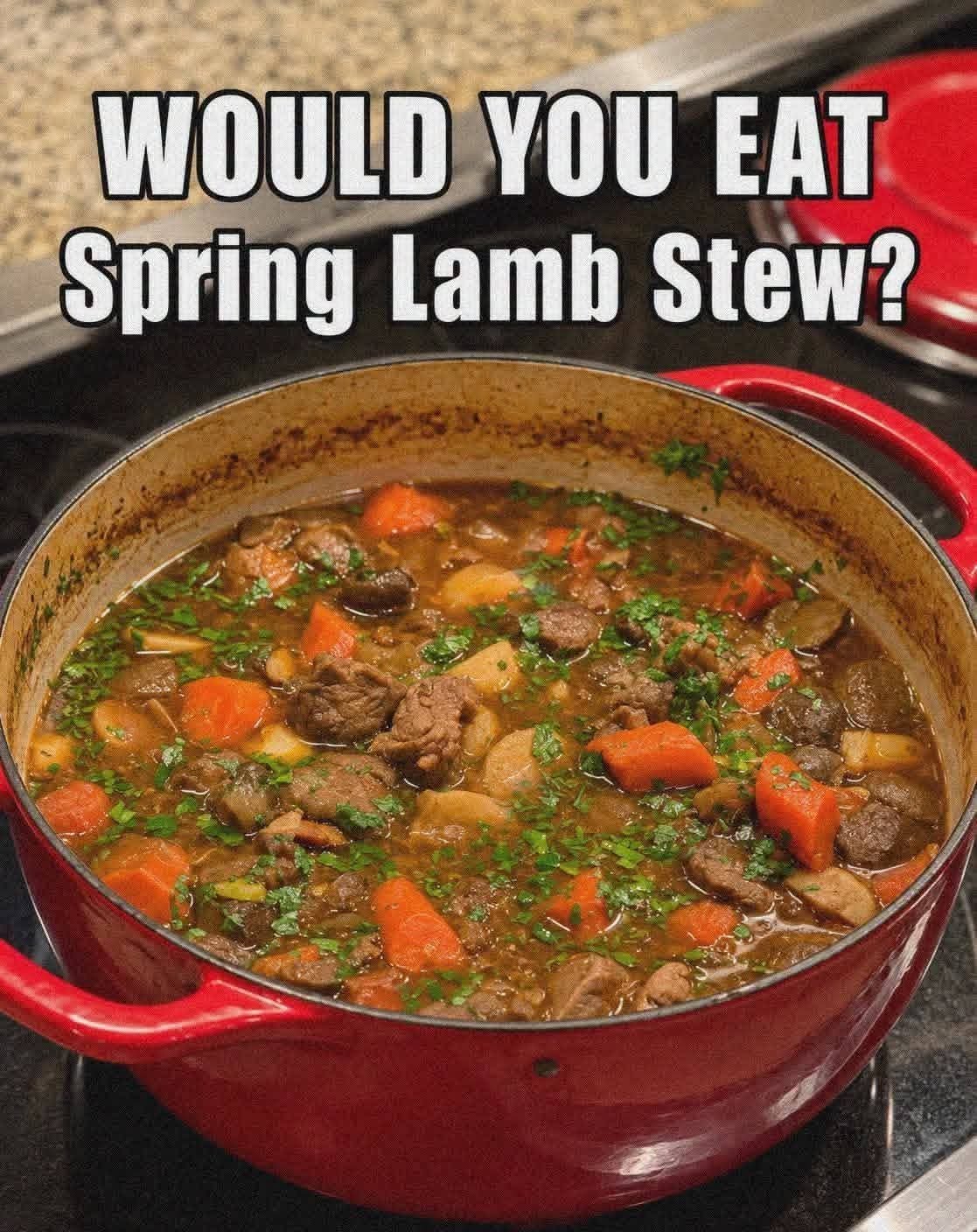
# Old-Fashioned Beef Stew
Beef stew is a timeless classic that has warmed the hearts and bellies of families for generations. It embodies comfort and nostalgia, summoning memories of family dinners and cozy winter nights. In this article, we’ll explore the essence of old-fashioned beef stew, from choosing the right ingredients to cooking methods, and even variations to suit any palate.
## The Rich History of Beef Stew
As one of the oldest dishes in culinary history, beef stew has roots in various cultures around the world. Its simplicity and adaptability have made it a staple in countless households. In the early days, tough cuts of meat were simmered slowly with vegetables, transforming them into a hearty meal. The beauty of an old-fashioned beef stew lies in its ability to bring people together, creating an unforgettable dining experience.
## Selecting Quality Ingredients
The flavor and heartiness of beef stew rely heavily on the quality of its ingredients. Here’s what you need to consider when making your selection:
### Meat
For an authentic beef stew, choose tougher cuts of meat that benefit from slow cooking. Good options include:
– **Chuck roast**: Known for its rich flavor and tenderness after long cooking.
– **Brisket**: Offers a unique taste that enhances the stew.
– **Round steak**: Leaner but still flavorful, perfect for slow cooking.
### Vegetables
Accompany your beef with a variety of vegetables. Traditional additions include:
– **Carrots**: Sweetness balances the savory flavor.
– **Potatoes**: A filling and hearty base for the dish.
– **Onions**: Adds depth and aroma.
Don’t hesitate to experiment with other vegetables like celery, peas, or green beans to add complexity to your stew.
### Broth
The liquid used in beef stew can make or break the dish. A full-bodied beef broth adds richness and flavor. If homemade broth is not an option, look for high-quality store-bought varieties that contain no artificial ingredients.
### Herbs and Spices
A blend of herbs and spices will enhance your beef stew. Consider using:
– **Thyme**: A classic herb that pairs beautifully with beef.
– **Bay leaves**: Adds a layer of depth.
– **Black pepper**: Freshly ground for optimal flavor.
Salt is essential, but be sure to taste as you go to avoid oversalting.
## The Preparation Process
Once you have gathered your ingredients, it’s time to prepare the stew. The process can be daunting for beginners, but following these simple steps will lead you to a delicious finish.
### Step 1: Sear the Meat
Begin by cutting your beef into 1-2 inch cubes. Heat a couple of tablespoons of oil in a heavy-bottomed pot over medium-high heat. Season the meat with salt and pepper, then sear it in batches, ensuring not to overcrowd the pot. This step locks in flavors and creates a beautiful brown crust.
### Step 2: Sauté the Vegetables
After the meat is browned, remove it from the pot and set it aside. In the same pot, add onions, and sauté for a few minutes until they become translucent. Include garlic for added flavor, cooking until fragrant.
### Step 3: Combine Ingredients
Once the onions are sautéed, return the beef to the pot. Stir in the carrots and potatoes, followed by any remaining vegetables. Pour in enough beef broth to cover the ingredients, and bring to a boil.
### Step 4: Slow Cooking
After reaching a boil, reduce the heat to a gentle simmer. Add your herbs and spices, cover the pot, and let it cook low and slow. This process typically takes 1.5 to 2 hours, allowing time for the meat to become tender and the flavors to meld beautifully.
### Step 5: Adjust and Serve
After simmering, taste the stew and adjust the seasoning if necessary. If you prefer a thicker stew, consider adding a slurry of cornstarch and water, cooking for a few more minutes until it thickens. Serve hot with crusty bread or fluffy biscuits for a comforting meal.
## Variations to Satisfy Everyone’s Tastes
While classic beef stew holds a special place in many hearts, variations can make it exciting and suitable for different dietary needs:
### Healthy Beef Stew
Substitute regular potatoes with sweet potatoes for added nutrients, or opt for lean cuts of beef to reduce fat content. You could also incorporate more vegetables and use low-sodium broth.
### Guinness Beef Stew
For an unexpected twist, add a splash of Guinness or another stout beer during the cooking process. This enhances the stew’s richness and gives it a depth of flavor that will impress guests.
### Pressure Cooker Beef Stew
For those pressed for time, a pressure cooker can significantly reduce cooking time while still delivering tender meat and delicious flavors. Adjust the ingredients’ quantities based on the pressure cooker’s capacity.
## Storing and Reheating
Leftover beef stew can be stored in an airtight container in the refrigerator for up to three days or frozen for up to three months. When reheating, do so gently on the stovetop or in the microwave, adding a little broth if necessary to regain moisture.
## Conclusion
Old-fashioned beef stew remains a beloved dish for its warmth, flavor, and versatility. By using high-quality ingredients and embracing the cooking process, anyone can create a stew that evokes the same comfort and joy experienced by those who’ve enjoyed it for generations. Whether you opt for the classic recipe or explore exciting variations, this hearty meal is sure to become a favorite in your household. Get ready to gather your loved ones around the table and enjoy this durable dish that stands the test of time!