
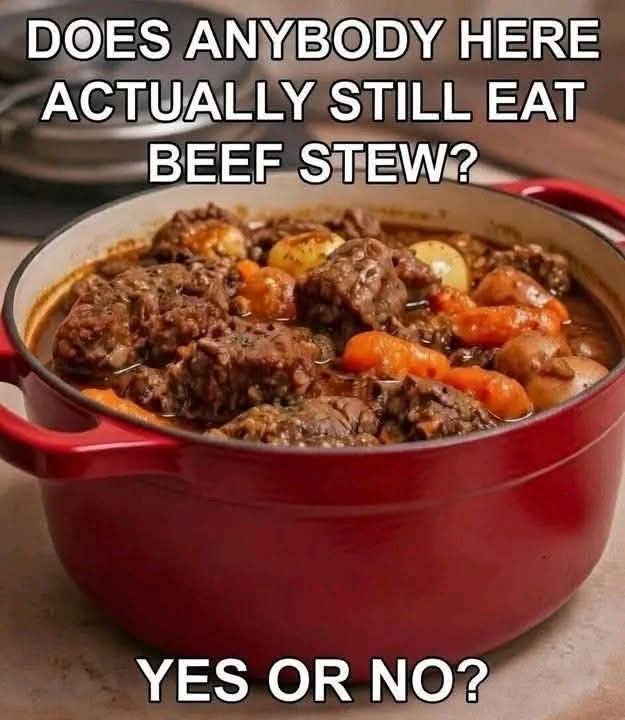
# Old-Fashioned Beef Stew
When it comes to comfort food, few dishes can rival the heartwarming essence of an old-fashioned beef stew. Full of flavor and satisfying textures, it’s no wonder that this dish has endured through generations. This article dives into the rich history of beef stew, offers insights into its nutritional benefits, provides an authentic recipe, and explores variations that can enhance your culinary experience.
## The History of Beef Stew
Beef stew has a storied past that dates back centuries. Traditionally, stews were a practical way to utilize tougher cuts of meat. Early cooks would simmer their beef slowly over an open flame or in hearths, allowing the meat to tenderize and flavors to develop. As time passed, this hearty dish became a staple in many cultures around the globe, often reflecting local ingredients and culinary customs.
In the United States, beef stew gained popularity during the Great Depression, as it was an affordable way to feed families. Today, it remains a family favorite, often served during cold winter nights or at family gatherings.
## Nutritional Benefits of Beef Stew
Beef stew is not only delicious but also offers a variety of nutritional benefits. The primary ingredients such as beef, vegetables, and herbs provide an excellent source of proteins, vitamins, and minerals.
1. **Protein**: Beef is a rich source of high-quality protein, which is essential for muscle growth and repair.
2. **Vitamins**: Carrots, potatoes, and peas contribute an array of vitamins, particularly Vitamin A, Vitamin C, and several B vitamins, essential for overall health and immune function.
3. **Minerals**: Iron from the beef helps in transporting oxygen in the body, while potassium from vegetables aids in maintaining healthy blood pressure levels.
4. **Fiber**: Adding beans or whole grains can increase the fiber content, promoting digestive health.
With these health benefits, old-fashioned beef stew can be a wholesome addition to your weekly meal plan.
## Classic Old-Fashioned Beef Stew Recipe
### Ingredients
– 2 pounds of beef chuck, cut into 1-inch cubes
– 4 tablespoons of olive oil
– 4 cups of beef broth
– 2 cups of carrots, sliced
– 1 cup of celery, chopped
– 1 cup of potatoes, diced
– 1 large onion, chopped
– 3 cloves of garlic, minced
– 2 teaspoons of dried thyme
– 2 bay leaves
– Salt and pepper to taste
– 2 tablespoons of Worcestershire sauce
– Optional: A splash of red wine for added depth of flavor
### Instructions
1. **Brown the Meat**: In a large pot or Dutch oven, heat two tablespoons of olive oil over medium-high heat. Add the beef cubes in batches, ensuring not to overcrowd the pot. Sear on all sides until browned (about 5-7 minutes). Remove the beef and set aside.
2. **Sauté Vegetables**: In the same pot, add the remaining olive oil, onion, and garlic. Sauté until fragrant and the onion is translucent (about 3-4 minutes).
3. **Combine Ingredients**: Return the beef to the pot, and add the carrots, celery, and potatoes. Pour in the beef broth and add the Worcestershire sauce, thyme, bay leaves, salt, and pepper. If you desire, add a splash of red wine to enhance the flavor.
4. **Simmer Stew**: Bring the mixture to a boil. Reduce the heat, cover the pot, and let it simmer for 1.5 to 2 hours, or until the beef is tender. Stir occasionally and adjust seasoning as needed.
5. **Serve**: Before serving, remove the bay leaves from the stew. Ladle into bowls and enjoy warm, perhaps with crusty bread on the side.
### Tips for the Perfect Beef Stew
– **Choose Quality Meat**: Opt for beef chuck or brisket for the best flavor and tenderness.
– **Cut Uniformly**: Cut all vegetables and meat into even sizes for uniform cooking.
– **Let It Rest**: For the best flavor, consider letting your stew sit for a few hours or even overnight—the flavors continue to develop as it cools.
– **Add Herbs at the End**: Fresh herbs like parsley can be added just before serving for freshness.
## Variations on Old-Fashioned Beef Stew
While the classic recipe is a timeless favorite, don’t hesitate to tweak it to suit your tastes or dietary preferences. Here are some variations:
### 1. **Vegetable-Heavy Stew**
For a rustic twist, double the number of vegetables or add seasonal produce such as parsnips, turnips, or bell peppers. This not only enhances the flavor but also boosts the nutritional profile.
### 2. **Spicy Beef Stew**
For those who enjoy a kick, incorporate some chili powder or crushed red pepper flakes. This variation can add an exciting depth of flavor.
### 3. **Slow Cooker Version**
For busy days, consider using a slow cooker. After browning the meat and sautéing the vegetables, simply transfer everything into a slow cooker, set it on low for 7-8 hours, and let it do the work for you.
### 4. **Gluten-Free Version**
Ensure to use gluten-free Worcestershire sauce or tamari instead of regular soy sauce to keep your beef stew gluten-free while still packed with flavor.
## Conclusion
Old-fashioned beef stew is more than just a meal; it embodies warmth and nostalgia while offering numerous nutritional benefits. Preparing this dish can be a wonderful culinary experience, bringing people together and creating lasting memories. Whichever variation you choose, this comforting stew is sure to satisfy even the heartiest of appetites. So gather your ingredients, follow the classic recipe, or customize it to your liking. Enjoy every comforting bite of this timeless dish!