
We’ve all been there. You reach into the fridge, grab an egg, and suddenly wonder… Is this still good?
Eggs are a kitchen staple — from fluffy scrambled breakfasts to homemade cakes and classic Southern cornbread. But using a spoiled egg can ruin a recipe (and your appetite). The good news? You don’t have to guess.
Here are 5 reliable and easy ways to check whether your egg is fresh or past its prime — using simple methods you can do at home.
The Water Test (The Most Popular Method)
This is one of the easiest and most accurate ways to test egg freshness.
How to do it:
- Fill a glass or bowl with cold water.
- Gently place the egg inside.
What it means:
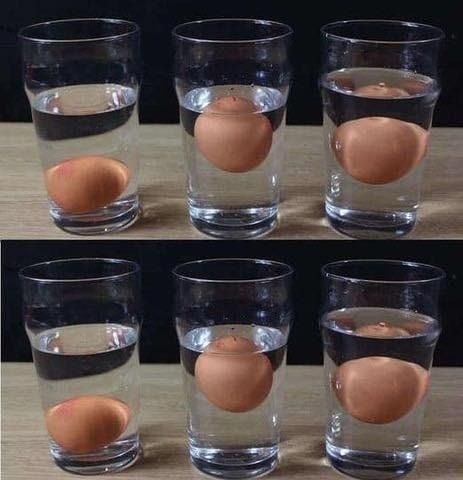
- Sinks and lays flat on the bottom → Very fresh.
- Sinks but stands upright → Still safe, but use soon.
- Floats to the top → Not fresh. Discard it.
Why does this work? As eggs age, air enters through the shell, increasing buoyancy. The more it floats, the older it is.
The Smell Test (After Cracking)
If you’re still unsure, crack the egg into a bowl before adding it to your recipe.
Fresh eggs have:
- Little to no smell
- A mild, neutral scent
Spoiled eggs will:
- Smell strong
- Have a sulfur or rotten odor
If it smells bad even slightly, don’t risk it. Trust your nose — it’s extremely reliable.
Check the Egg White and Yolk
Once cracked into a bowl, look closely.
A fresh egg will have:
- A thick, slightly cloudy egg white
- A firm, round yolk that sits high
An older egg will have:
- Thin, watery whites that spread out
- A flatter yolk that breaks easily
Watery whites don’t automatically mean rotten, but they do mean the egg is aging.
Check the Expiration or Pack Date
Most cartons have either:
- A “Best By” date
- A Julian pack date (a 3-digit number from 001–365)
Eggs can often last 3–5 weeks in the refrigerator if stored properly at a consistent cold temperature.
For best quality:
Keep eggs in their original carton
Store in the coldest part of the fridge (not the door)
Avoid temperature fluctuations
Proper storage makes a big difference in freshness and food safety.
The Shake Test (Quick but Less Accurate)
Hold the egg up to your ear and gently shake it.
- If you hear sloshing, the egg is likely older.
- If there’s no sound, it’s probably fresh.
This method isn’t as precise as the water test but can give a quick clue.
Bonus Tip: Refrigeration Matters
Egg safety starts with storage. Always keep eggs refrigerated at 40°F (4°C) or below. Consistent cooling slows bacterial growth and extends shelf life.
Never leave eggs out at room temperature for extended periods — especially after cooking or baking.
Why It’s Important to Check
Using a spoiled egg can:
- Ruin your recipe
- Cause unpleasant odors
- Increase food safety risks
Taking 30 seconds to test an egg can save time, money, and frustration.
A Kitchen Habit Worth Keeping
Whether you’re baking a cake, making deviled eggs, or cooking a big family breakfast, knowing how to test egg freshness is a smart kitchen skill every home cook should have.
It’s simple. It’s practical. And it prevents waste.
So next time you’re unsure, try the water test first — it’s fast and surprisingly accurate.
Have you ever cracked an egg and instantly regretted it?
Drop your go-to freshness test in the comments below!